REPower EU, the European Commission focuses on biomethane to reduce dependence on Russian gas
The plan presented by the European Commission provides for an increase in biomethane production capacity up to 35 billion cubic meters (bcm) by 2030 within the European Union. The goal will be to replace 20 percent of Russian natural gas imports with a sustainable, cheaper and locally produced alternative.
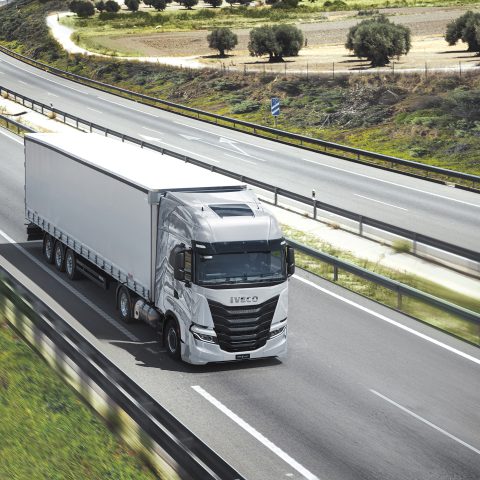
REPower EU is the name of the ambitious plan presented by the European Commission with the aim of focusing heavily on biomethane to reduce dependence on Russian gas. An issue that has dramatically shown its urgent character in the last few weeks after the start of hostilities in Ukraine. The plan presented by the Commission provides for an increase in biomethane production capacity up to 35 billion cubic meters (bcm) by 2030 within the European Union. The goal will be to replace 20 percent of Russian natural gas imports with a sustainable, cheaper and locally produced alternative. Biomethane also helps reduce exposure to the volatility of food prices because the fertilizer derived from digestate is a co-product of biomethane production and currently replaces expensive chemical fertilizers.
REPower EU: Producing biomethane within the EU
Protagonist of the sustainable turnaround is a group of about thirty companies (image below) – which also includes Iveco, which has always shown a strong focus on biomethane – and organizations, coordinated by the European Biogas Association and Common Futures. In the immediate future, the European Commission aims to double the methane produced within the EU as early as 2022. The subsequent step towards biomethane must foresee the mobilization of sustainable biomass raw materials and, of course, investments aimed at significantly increasing production capacity.
Today the European Union produces 3 bcm of biomethane. A scale-up to 35 bcm requires, in fact, the mobilization of sustainable biomass raw materials, mainly waste and residues, plus the construction of about 5,000 new biomethane plants. The consortium says that “from a technical point of view, all of this is achievable in the next eight years, and is also economically advantageous. About 80 billion euros of capital investments are needed, European money spent in our internal economy. This allows us to produce biomethane at a much lower cost than the price of natural gas in recent months. In addition to building new integrated biogas-biomethane plants, methanation units could also be added, at low cost, to existing biogas plants. We also ask for a rapid commercialization of gasification technology, which allows the production of biomethane from wood residues”.