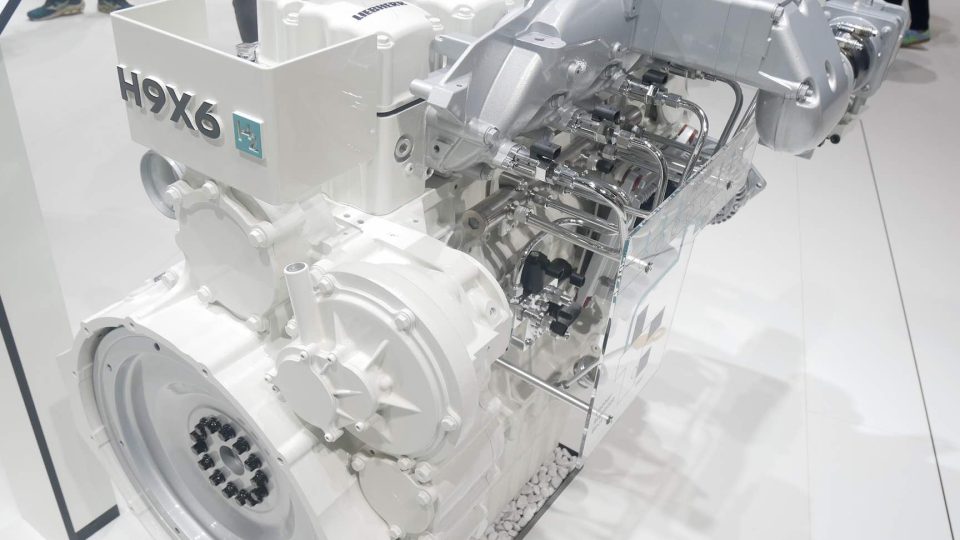
The First Everllence‘s 18V51/60 Engine Running on B100 Biofuel
For the first time ever, Everllence‘s 18V51/60 engine runs fully on B100 biofuel, marking a historic step toward greener, low-carbon power generation
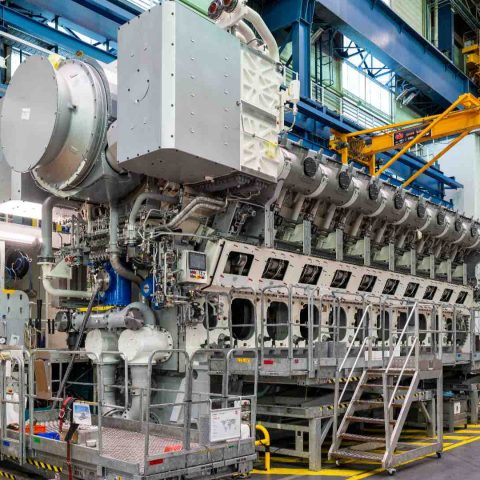
Heavy-duty applications are the ultimate litmus test for reliability. By launching a major engine powered entirely by 100% biodiesel, Everllence has sent a clear signal to the industrial sector: B100—a fully plant-based fuel—is no longer just a possibility, but a viable, high-performance reality.
The following is a faithful account, as provided by Everllence. The small control room is packed as engineers and operators watch intently, their eyes darting between the monitors and the 18V51/60 B100 engine behind the safety glass as it roars to life in the test bed. On the screens, numbers measuring temperature, fuel consumption, and performance start to shift as the engine settles into a steady, rhythmic thud.
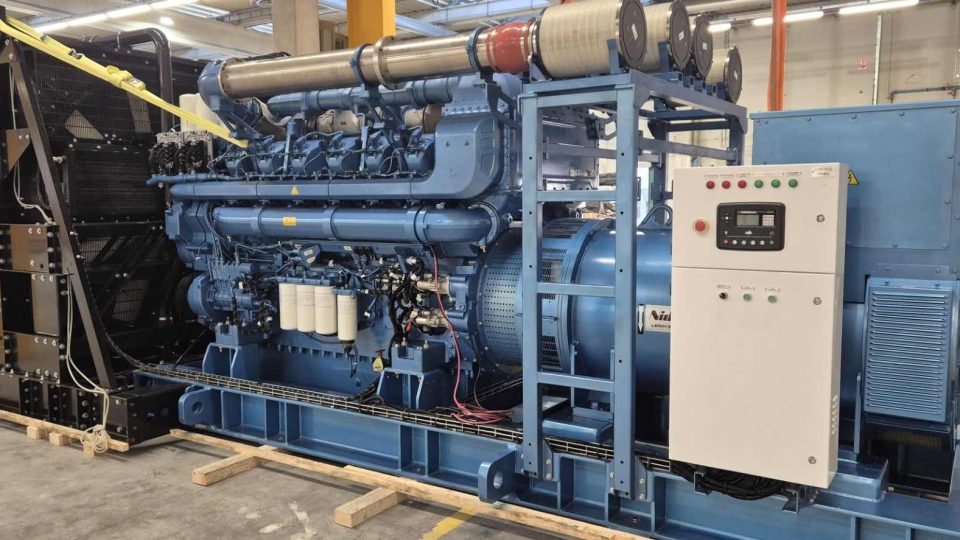
Everllence and a 18,900 kW, fully converted to run on B100
When it is brought to a halt 15 minutes later, the excitement is tangible, and the smiles wide.
It’s a historic milestone: the first-ever factory acceptance test of the 18V51/60 B100, an 18-cylinder, four-stroke, high-efficiency engine with a power output of 18,900 kilowatt, fully converted to run on B100 biofuel instead of diesel. The results are immaculate, so the client, Électricité de France (EDF PEI), will be able to proceed with installing the engine as planned.
“It’s an emotional moment,” said Test Engineer Romain Hérault, who works at Everllence’s Saint Nazaire factory in France, where engines are assembled and tested. “We started with a blank page and reconfigured the engine from scratch. The test demonstrated it’s able to reach full potential running on biofuel,” he explained excitedly, adding, “The use of biofuel is a big turn for the diesel engine.”
Ahead of the test, Romain Hérault and his small team of five operators and another engineer, spent days preparing. For data collection, they first ran the engine on standard fossil fuel to establish a baseline for performance, energy, and production. Then it got messy: the engine had to be flushed out to remove any leftover residue and cleaned thoroughly; a process that took nearly half a week. Once set, the test date was scheduled.
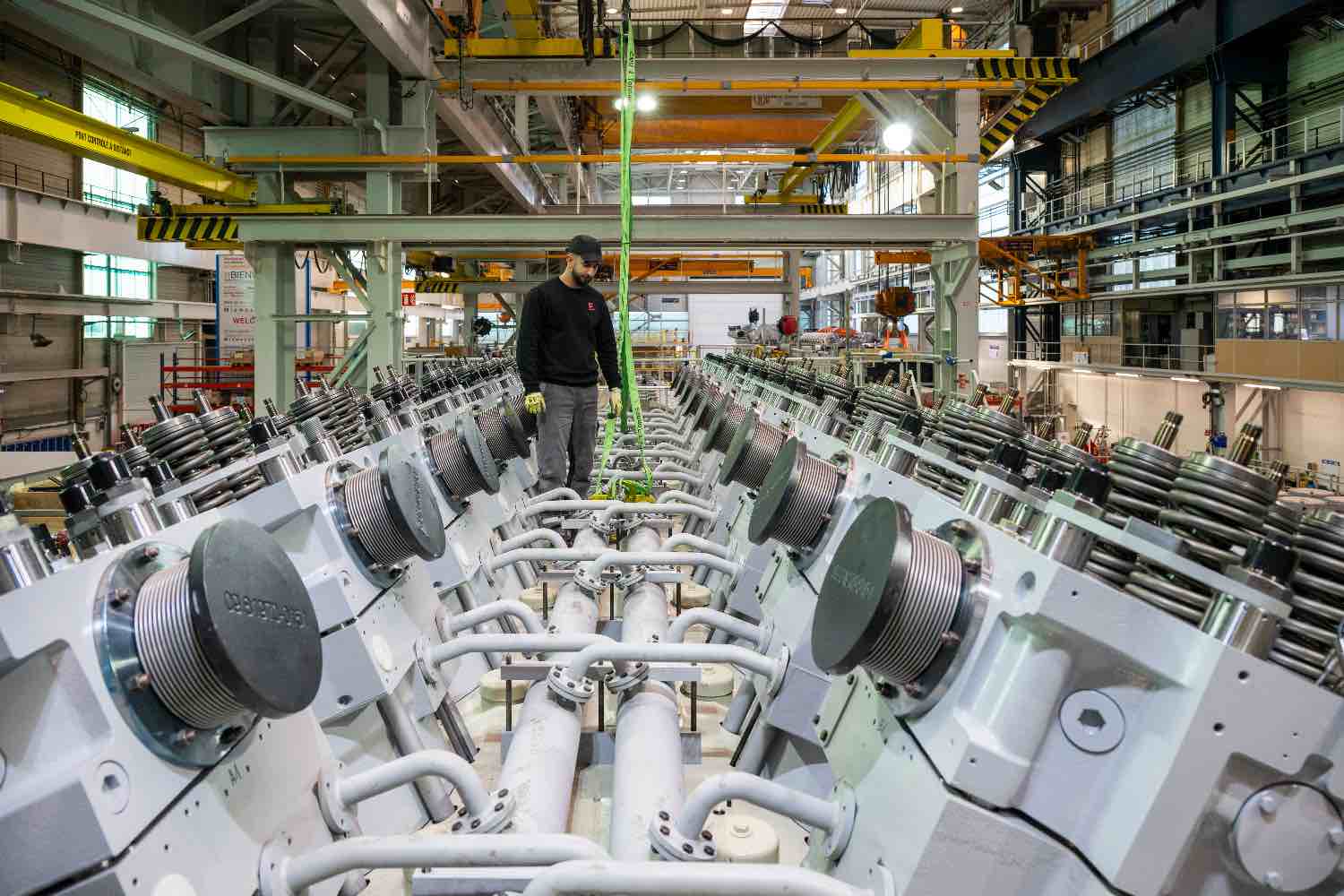
“We were of course nervous, but mostly curious,” Romain Hérault said, talking from inside the vast factory, a hall heavy with the smell of metal and machine oil, housing four test beds and rows of different engines in various stages of assembly. A total of 600 people work here, including on the 18V51/60 B100, a large engine of about 13 meters in length and almost five meters in width weighing approximately 325 metric tons.
With the factory acceptance test successful, the results also prove to Romain Hérault and his team that the entire Saint Nazaire facility could be adapted to run on biofuel, a strategic shift towards cleaner energy.
B100 biofuel is made from real plants that capture CO₂ from the atmosphere through photosynthesis. Overall, this results in a roughly 60 percent emission reduction compared with fossil fuels. The biofuel used at the Saint Nazaire testing site is sourced from farmers within a 200 kilometer radius of the factory.
Eight Units for a new 130 MW Power Plant in Corsica
The 18V51/60 B100 tested here is one of eight units bound for a new 130 megawatt power plant in Corsica, which will eventually generate electricity for roughly one third of the island, or 110,000 households. The project is part of EDF PEI’s broader plan to decarbonize electricity production and phase out fossil fuels by 2030, in line with the European Union’s target to cut greenhouse gas emissions by at least 55 percent by 2030 and achieve climate neutrality by 2050.
And while mainland France has already largely decarbonized the energy sector – with about 65 percent of power generated from nuclear plants, around 14 percent hydropower and another roughly 13 percent from wind, according to the International Energy Agency – it is the country’s islands and overseas regions that still need alternative solutions.
“We’re talking about places such as Guadeloupe in the Caribbean or Réunion in the Indian Ocean, as well as Corsica. All of them are isolated from the national grid,” explained Cédric Dupuis, EDF PEI Project Director for the new Corsica power plant, adding that the state-owned company already operates 43 Everllence engines on France’s islands, with the new plant in Corsica bringing the total number to 51.
“Some of our facilities, like the one on Réunion Island, have already been converted to run on biofuel, although they use slightly different engines,” said Dupuis, who had travelled to Saint Nazaire to witness the test. By 2030, EDF PEI hopes for all their sites to be running on biofuel.
“The test was impressive, and very emotional. It’s exciting to see the rebirth of this engine,” Dupuis said. EDF PEI has long been working in partnership with Everllence; the first project dates back to 2008. For the new Corsica plant, the two companies have signed a 25 year maintenance contract. It is the first time EDF PEI is launching a new facility designed to run on biofuel from day one.
The engines are scheduled to be shipped to Corsica in early 2026, while EDF PEI’s new plant is set to progressively begin operations from mid 2027 onward, eventually replacing the old Le Vazzio fossil fuel facility on the island.