Rolls-Royce develops solutions for future submarines
A significantly more powerful mtu submarine charging unit and mtu NautIQ automation systems for underwater ship control are currently on display at the Euronaval naval exhibition (Paris, 4-7 November), underlining Rolls-Royce’s role as a solutions provider in this special area of shipbuilding.
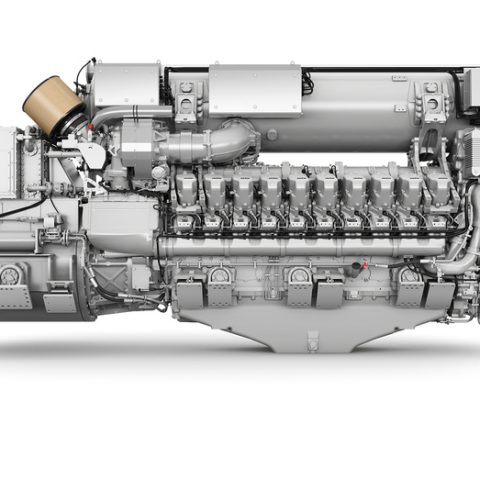
Rolls-Royce is developing new and advanced concepts to show navies how they can meet the growing challenges of undersea national defense. These include a significantly more powerful mtu submarine charging unit and mtu NautIQ automation systems for underwater ship control. Both are currently on display at the Euronaval naval exhibition (Paris, 4-7 November), underlining Rolls-Royce’s role as a solutions provider in this special area of shipbuilding.
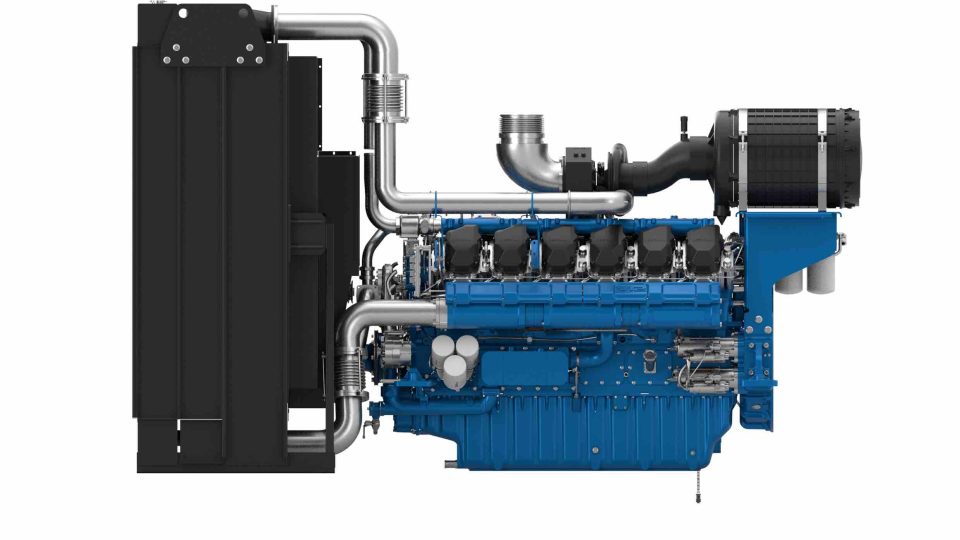
The latest and the future generations of submarines require more electrical power than its predecessors. This is due, on the one hand, to the ever more extensive electronic equipment of the submarines. On the other hand, the modern battery storage systems on the ships allow faster charging than before. At the same time, there is a need for a space-saving design. Rolls-Royce is addressing these requirements with the concept of a more powerful mtu on-board power generator driven by the future 20-cylinder version of the mtu Series 4000 submarine engine.
Like the 12-cylinder boat engine, of which many units have already been built, it is based on the marine version of the mtu Series 4000. With eight more cylinders, the 20-cylinder version will have a correspondingly higher power output. This means that the batteries can be charged much faster, minimising the surface time for the submarine. Furthermore, the compact genset makes it possible to save space in the submarine hull, for example by having two of the 20-cylinder on-board power generators take over the tasks of the previous three smaller gensets. Compared to the surface version, the submarine variant has been modified in its charge air and combustion systems so that the boats are difficult to locate. The company has conducted a study that proves such a charging unit is suitable for integration into modern submarine designs.
mtu NautIQ: underwater ship automation
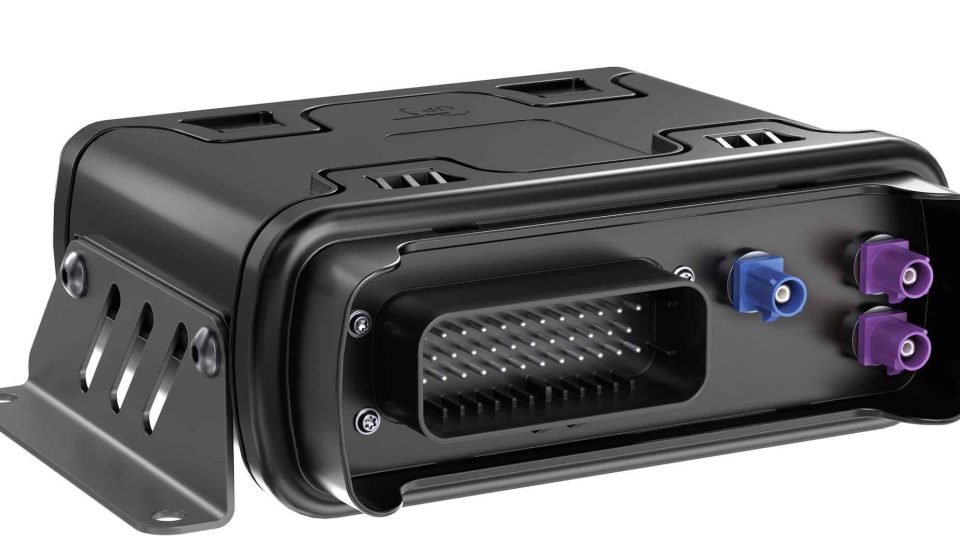
With the mtu NautIQ Master automation system, Rolls-Royce Power Systems is extending its offering to include sophisticated, integrated control and monitoring systems for sub-surface platforms. The system, which integrates numerous standard systems, controls both the propulsion system and the power supply, monitors the condition of the units, and can be expanded with a range of modules such as damage control, on board training, alarm and monitoring, navigation, and communication systems. This means that all integrated systems can be controlled via a standardised user interface.
mtu NautIQ Master has already proven itself for naval surface vessels. Rolls-Royce is now applying this experience underwater as well. This means that Rolls-Royce is also moving up from component supplier to solution provider in the submarine market.