CharIN’s MCS standardization for heavy-duty electrification
CharIN, the global leader in charging standards, shared major updates on its work with the Megawatt Charging System (MCS)

CharIN shared major updates on its work with the Megawatt Charging System (MCS) for heavy duty e-applications. The mining industry’s move toward electrification is gaining momentum, with haul trucks accounting for 30% to 80% of a mine’s energy use, leading the effort. CharIN, in partnership with the ICMM, has collaborated with the industry on several activities to establish a harmonized approach for aligning charging solutions across different use cases.
MCS for mining
- The first publication was a Dynamic Charging Interface (DCI) White Paper outlining technical requirements for standardized, in-motion charging solutions. This innovation supports battery-electric haul trucks, reducing downtime and increasing surface and underground mining operational efficiency.
- Ruggedized Megawatt Charging System (R-MCS): Designed for durability in harsh mining environments, R-MCS enhances voltage capacity, chemical resistance, and automation for seamless coupling.
- Extreme Megawatt Charging System (X-MCS): Engineered to meet the demands of the largest and most energy-intensive mining vehicles, X-MCS delivers higher power capabilities, enhanced safety, and adaptability to extreme conditions.
Haul trucks are essential for surface mining operations, but they account for 30 to 80 percent of direct emissions at mine sites. This transition faces several challenges, including technical bottlenecks in charging infrastructure and interoperability, operational complexities of incorporating battery-electric vehicles into existing fleets, infrastructural needs for high-power charging systems capable of withstanding harsh mining conditions, and cultural shifts needed to adopt new technologies and practices.
The Innovation for Cleaner Safer Vehicles initiative offers a collaborative platform for industry leaders, such as mining companies, OEMs, technology providers, and standardization bodies like CharIN, to tackle these challenges. The aim is to develop interoperable, high-power charging solutions customized to meet the specific demands of the mining sector.
A key part of the initiative is the partnership between CharIN and ICMM, which concentrates on solving the issue of charging interoperability. Through the CharIN Mining Taskforce, this collaboration has established technical requirements for ruggedized and dynamic charging systems, created industry White Papers to guide MCS and CCS adoption, and supported pilot projects to test solutions in real-world mining conditions.
The initiative focuses on operational efficiency, infrastructural readiness, and cultural change. Battery-electric haul trucks are designed to perform at or above diesel levels, supported by scalable, interoperable charging infrastructure, and complemented by training and knowledge-sharing programs that promote industry-wide acceptance.
By establishing standard technical guidelines and promoting global standardization, CharIN and the initiative enable mines to reduce emissions, lower operational costs, and accelerate the transition to zero-emission fleets, thereby ensuring a sustainable future for the mining industry.
About the Marine Sector
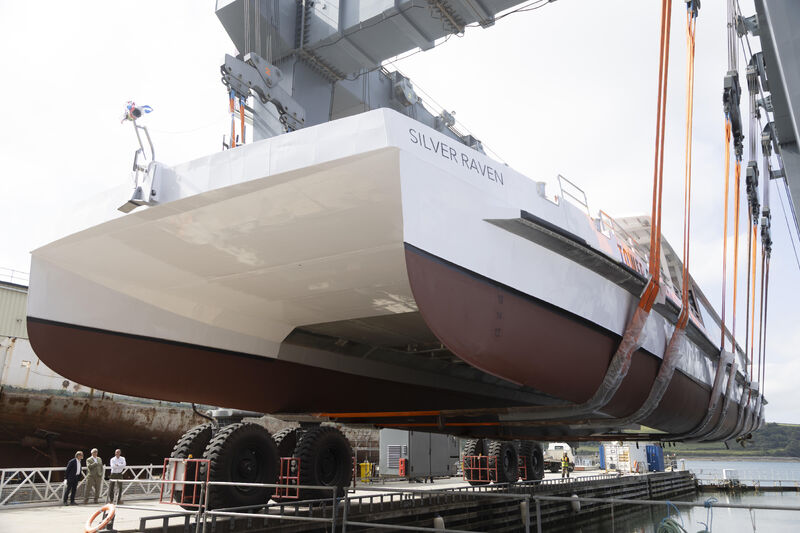
CharIN’s Marine Task Force is at the helm of advancing MCS and CCS standards for the maritime industry. Building on the success of the MCS Vessels Project collaboration with Crowley, Black & Veatch, and ABS, funded by the US Maritime Administration (MARAD), the Task Force is defining technical requirements for MCS-compatible shore power solutions. These solutions will support battery-electric and hybrid vessels, enabling technical development, cost efficiencies, and global scalability.
Marine Task Force achievements:
- Standardization leadership: The Task Force will establish guidelines for interoperability and harmonized technologies, ensuring seamless integration of MCS and CCS in marine applications.
- Industry collaboration: The Task Force is actively engaging with shipbuilders, ports, and energy providers to promote best practices and accelerate the adoption of MCS and CCS standards.
- Technical synergies: By leveraging existing infrastructure and communication protocols, such as Ethernet 10Base-T1S, TF Marine is reducing costs and increasing the feasibility of marine electrification.
“Standardized shore charging connections are crucial for marine electrification. By harmonizing MCS and CCS interfaces, we can reduce integration complexity and expedite cost-effective deployment. This strategy not only guarantees global scalability but also promotes collaboration among ports, shipbuilders, and energy providers, making sustainable maritime operations a feasible reality,” said Palemia Field, ABB and CharIN´s Task Force Marine lead.