SKF joins Mission 0 project aiming to eliminate greenhouse gas emissions
SKF has decided to join and co-fund Mission 0 to contribute to the development of groundbreaking technologies and deliver solutions to eliminate greenhouse gas (GHG) emissions in materials, production and end-of-life of passenger cars.
SKF has decided to join and co-fund Mission 0 to contribute to the development of groundbreaking technologies and deliver solutions to eliminate greenhouse gas (GHG) emissions in materials, production and end-of-life of passenger cars. In an initial pilot project, SKF will collaborate with academia and industry experts in a research arena to solve GHG emissions in materials and processes that require new knowledge or disruptive technologies.
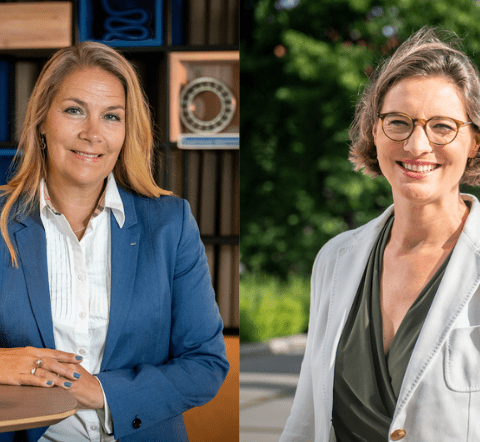
“In this deciding decade, we need to take the right decisive actions. At SKF, we are committed to sustainability, and we know that innovation is key to succeed. By innovating and collaborating with leading companies and partners, we can achieve more. This is made possible in Mission 0 where we expect new ideas to emerge, new connections to be made, and that we together can create results that might remain unattainable if we act alone. SKF can contribute in many ways, for example in the areas of sustainable materials and lubrication,” says Annika Ölme, CTO and Senior Vice President, SKF Technology Development (left in the opening image).
A Mission 0 House has been established in Gothenburg, Sweden. This collaborative space brings together researchers and engineers from product companies, material suppliers, and academia to work on concrete projects, exchange knowledge, and jointly develop groundbreaking technologies and solutions.
“The transport sector is the fastest-growing GHG emitting sector worldwide. Together, with the Mission 0 partners, we are envisioning the possibilities of discovering new ways to eliminate GHG emission in modern materials in industrial manufacturing. Decarbonization and accelerating sustainable transformation within industries are our core priorities. We are excited to be part of this important project to make a difference”, says Kerstin Enochsson, President Automotive.
Mission 0 includes, except SKF, also Boliden, Borgstena, Lindholmen Science Park, Polestar, Sekab, SSAB, Stora Enso, Volvo Cars, and several universities.