A new Vision of eFuel Potential
A new study by the eFuel Alliance and Porsche Consulting assesses the potential of eFuels across the European transport sector
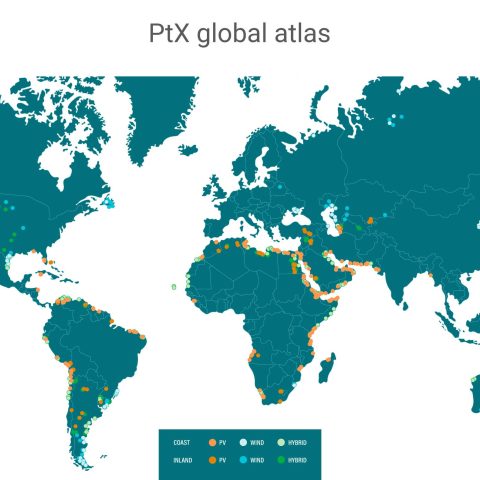
According to e-Fuel Alliance, the EU could be entirely free of fossil fuels by 2046, replaced by renewable alternatives. That is a central finding of a new study by the eFuel Alliance and Porsche Consulting, which assesses the potential of eFuels across the European transport sector. The analysis takes stock of bottlenecks affecting every major drivetrain technology.
More than 500 Hydrogen and eFuel Projects
Globally, more than 500 hydrogen and eFuel projects have been announced, with over 120 companies planning to bring eFuel production to scale by 2030. Made from green electricity, water, and CO₂ drawn from the atmosphere, eFuels are a cornerstone of climate-neutral transport and industry, alongside electrification. The study is grounded in the European Commission’s own impact assessment for the 2040 climate targets. The Commission projects that by 2040, approximately 37% of passenger cars, 62% of heavy goods vehicles, and more than 80% of aircraft and vessels will still rely on liquid fuels. Even as electric vehicle adoption grows, liquid fuels are expected to cover more than half of total energy demand in 2050. The study examines this persistent demand through the lens of supply-side constraints across electric mobility, eFuels, and hydrogen. Its bottleneck analysis reveals that the EU’s EV ramp-up scenarios are not credible: raw material shortages, notably in nickel and lithium, create near-term constraints, while inadequate grid expansion poses a structural barrier in the longer term. As a result, demand for liquid fuels across the transport sector from 2040 will be substantially higher than the Commission’s projections suggest, and the climate targets will be harder to meet. Should the industry’s full production potential be realised, the EU eFuel market could reach more than 200 billion litres of petrol equivalent by 2045, comfortably exceeding projected domestic demand for renewable fuel.
There would be no need for aviation, shipping, and road transport to compete for supply. At full capacity, existing vehicle fleets could also be powered by eFuels, providing a viable path to climate targets even if the EV rollout continues to underperform. “If the EU delivers on its electric mobility ambitions, our industry can drive fossil fuels out of the market before 2050. Airlines, shipping companies, and drivers alike can be confident there will be enough to go around. Industrial-scale production is what makes eFuels affordable — and we can get there by 2045, provided policy creates the right conditions. The industry is ready to deliver,” says Ralf Diemer, Executive Director of the eFuel Alliance. Around 300 projects are targeting the transport sector; the remaining 200 focus on industrial applications. Transport-related projects alone could produce roughly 20 billion litres by 2030. More than 80% of announced projects are planning to produce eMethanol, a versatile platform fuel applicable across all four mobility segments, which explains its growing appeal.
At the (Financial) Core of the Issue
“Financing is the make-or-break issue. Only six percent of those 300 projects have cleared a final investment decision. Closing the gap between supply and demand requires a stable, predictable regulatory framework. Whether eFuels reach their potential will come down to political choices,” Diemer cautions. In aviation and maritime shipping, eFuels are the only solution that can scale to meet demand. In road transport — particularly for the existing vehicle fleet — they give consumers a meaningful option alongside electric vehicles. In industry, they can serve as a low-carbon feedstock.
Three policy levers are essential to mobilising investment: • Stimulate demand: Set ambitious eFuel quotas with long planning horizons and bring road transport within the regulatory scope. • Cut red tape: Apply workable production standards, streamline access to renewable power, and permit the use of industrial CO₂ sources in eFuel production. Use fiscal tools: Reform energy taxation, scale up the EU Innovation Fund and the European Hydrogen Bank, and channel EU ETS revenues from aviation and shipping into eFuel deployment.