The EU Council approves new CO2 emission standards for heavy-duty vehicles
The Council of the European Union on May 13, 2024, formally adopted the regulation on CO2 emission standards for heavy-duty vehicles, amending and strengthening the existing EU rules.
Following the approval from the European Parliament, obtained last April, the Council of the European Union on May 13, 2024, formally adopted the regulation on CO2 emission standards for heavy-duty vehicles, amending and strengthening the existing EU rules. The updated rules will further reduce CO2 emissions from road transport and will introduce new targets for 2030, 2035 and 2040.
The regulation will now be signed and published in the Official Journal of the EU. It will enter into force 20 days after its publication. The effectiveness and impact of the amended regulation will then be reviewed by the Commission in 2027.
New CO2 standards for zero-emission heavy-duty vehicles in Europe
The new rules maintain the existing 2025 target currently set at a 15% emissions reduction for heavy lorries weighing over 16t. In line with the EU’s climate objectives for 2030 and beyond, the regulation further establishes the following new targets:
- a 45% emissions reduction from 2030 (increased from 30%);
- a 65% emissions reduction from 2035;
- a 90% emissions reduction from 2040.
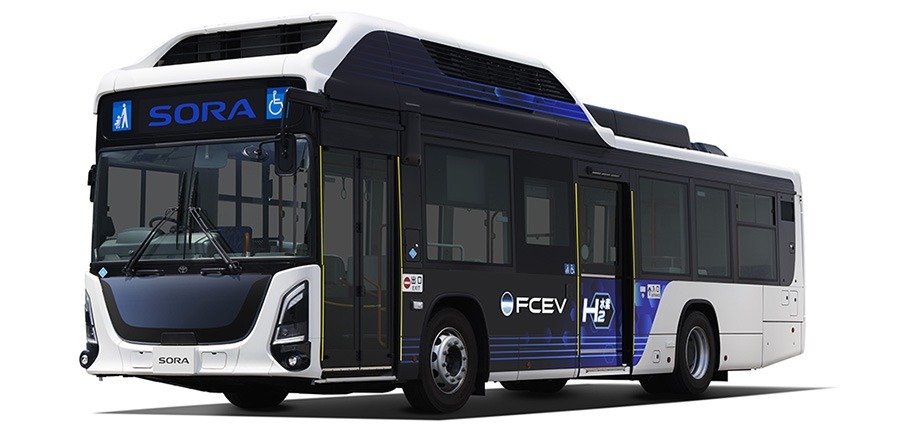
These targets will apply to medium lorries, heavy trucks weighing over 7.5t and coaches (as well as intercity buses), as well as to corresponding vocational vehicles from 2035 onwards. Furthermore, by 2030, new urban buses will need to reduce their emissions by 90% and become zero-emission vehicles by 2035.