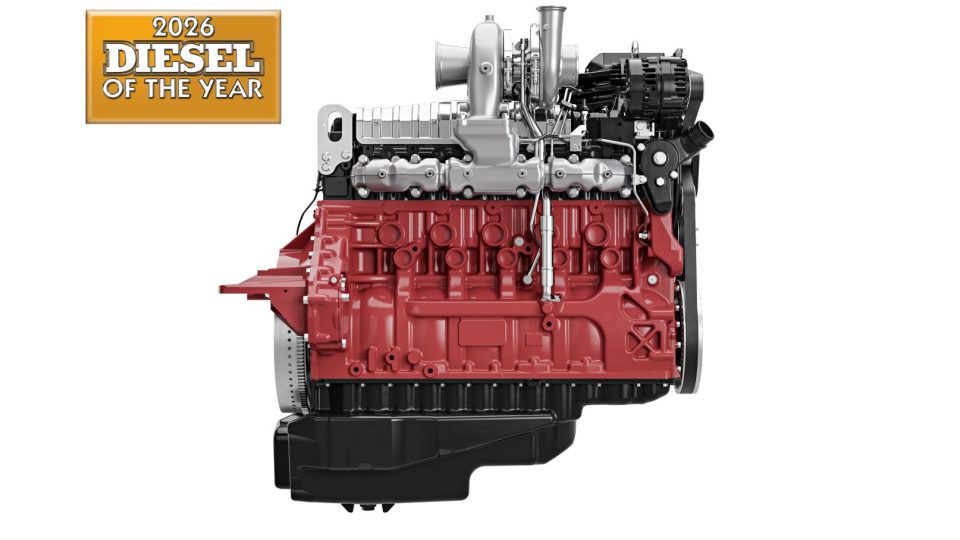
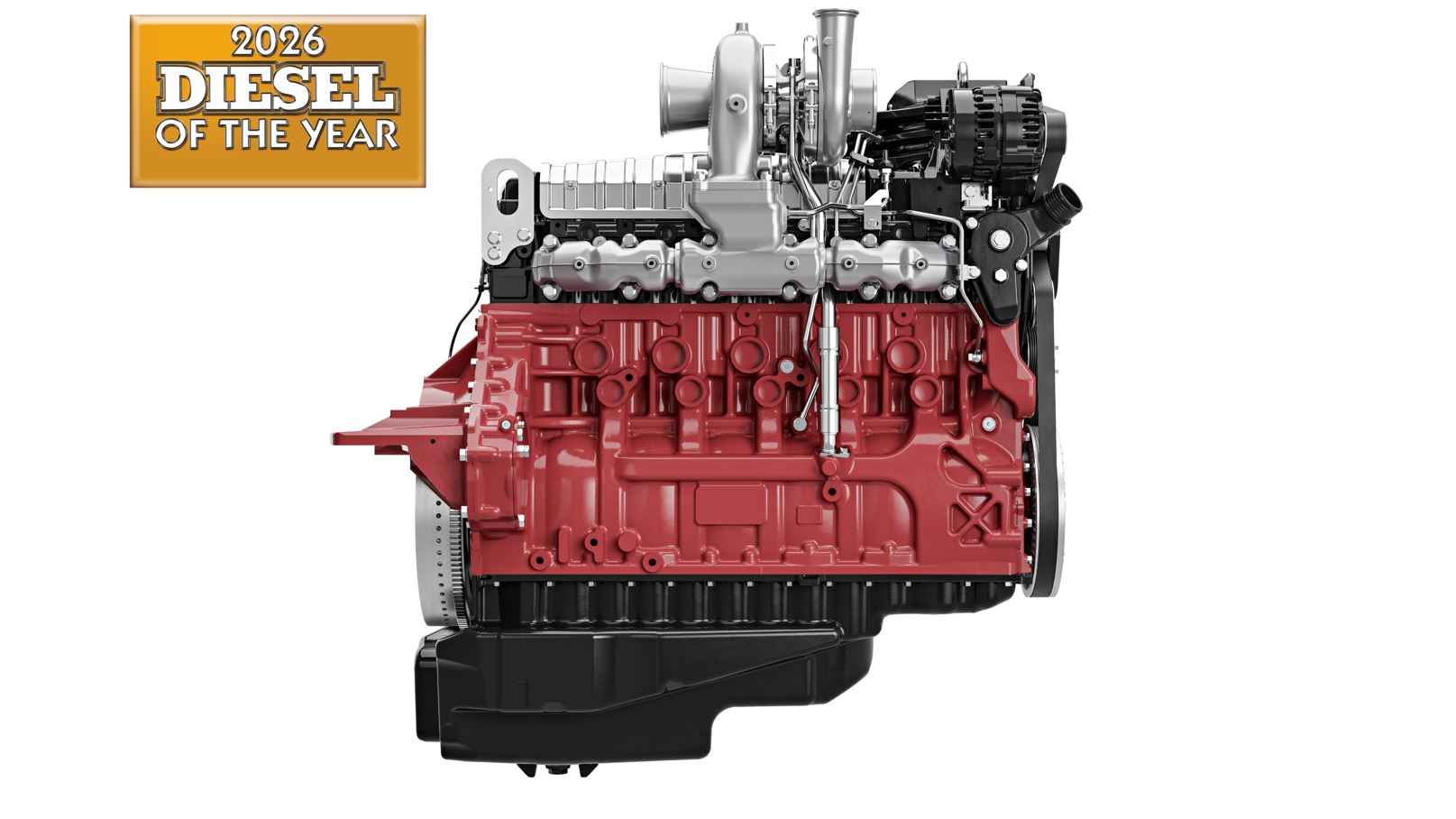
AGCO CORE 80, a very good guy. The Diesel of the Year 2026
The entire AGCO Power working group behind the CORE project attended the DotY 2026 award ceremony, reflecting the natural Finnish inclination toward teamwork. We delved into the genesis of the CORE80
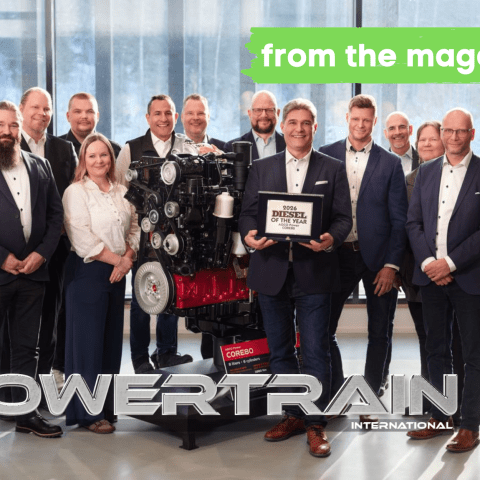
What a celebration it was! At Linnavuori, at AGCO Power‘s home base, we celebrated in front of the entire working group behind the CORE family and the award-winning 8-litre engine. Vice President Juha Tervala accepted the award, embodying the team spirit of the company, in the finest Finnish tradition. This is also why we take you behind the scenes of the CORE80, Diesel of the Year 2026, through a collective narrative.
What do farmers’ needs mean for AGCO Power when it comes to engine development?
“The immediate answer is torque – the CORE80 engine was born precisely from that requirement. But beyond raw power, what truly matters is reliability. A stopped engine or tractor is a serious problem: animals are waiting, the weather window is right, the work has to get done. There is no room for downtime.”
How could anyone argue with that? Let me say that during my university years I worked in fruit harvesting and I remember very well what that means: a window of a month, a month and a half, and whatever is not picked goes to waste. You work Saturdays, Sundays, around the clock.
“An unreliable engine in that context is simply not AGCO POWER CORE80 A VERY GOOD DIESEL OF THE YEAR acceptable. This is why we invest heavily in validation: thousands of hours of testing before any product reaches the market, hundreds of instrumented tractors gathering field hours. CFD simulations and computational models are useful tools, but the most trustworthy answer always comes from the field. Simulating -20°C is one thing — actually being at -20°C is another.”
AGCO Power Core Values
“I would identify three core values. The first is putting the farmer at the centre: every technical decision has to start from the question “what would the farmer choose?” It is easy to lose that perspective when you are working as an engineer: you have to keep reminding yourself that you are not the end user. The second is a culture of open dialogue: here in Finland we are used to speaking up when something does not seem right, without letting problems accumulate. The third is teamwork, because the complexity of a modern engine cannot be managed individually. These are not exclusively Finnish values, they are shared with AGCO at a global level. We are an American company with a Finnish operation at its core, and this balance works because there is genuine mutual respect be tween the two cultures.”
Production Capacity of the Linnavuori Plant
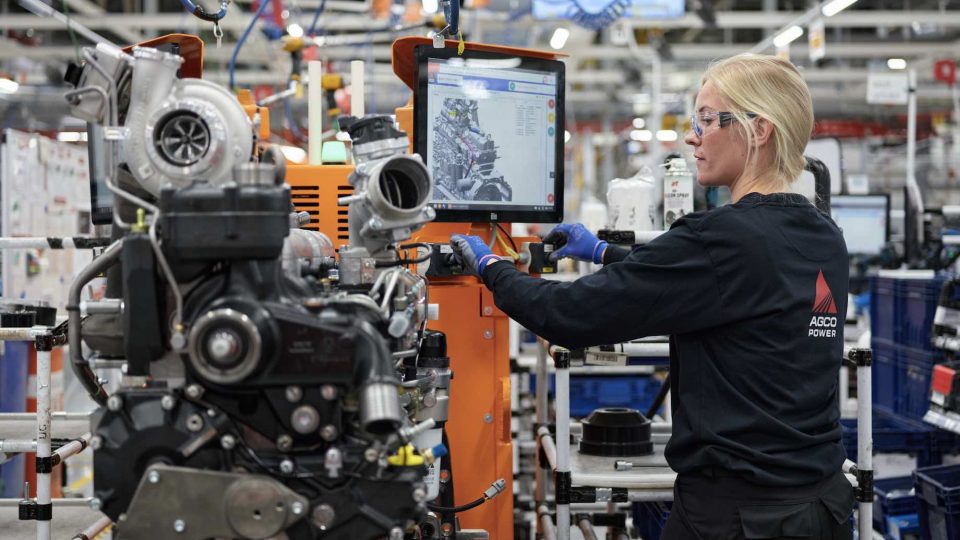
“Here at Linnavuori we produce up to 35,000 engines per year. On top of that, the group’s other facilities contribute approximately 30,000 engines in Brazil, a similar volume in China, where medium duty engines are also built, and a smaller share in Argentina. Stage V engines are manufactured both here and in China. One aspect that often surprises people is that AGCO Power is the largest gear wheel manufacturer in the Nordic countries. In this region we tend to be known only as an engine factory, but we produce significant volumes of gear wheels, shafts and axles, including a large share of components for CVT transmissions. Around 40% of all machining is carried out in-house”.
What about stationary power generation?
“We have a dedicated division located about 20 kilometres from here, near Tampere. It is not a serial production operation: it works on a project basis, delivering turnkey solutions up to 2,500 kVA, with engines selected according to the end customer’s specifications. The applications are often highly specific — emergency generators for hospitals, backup systems for railway infrastructure in extreme environments. The kind of customer with very particular requirements that a standard catalogue cannot address.”
How widely are AGCO Power engines used across the group’s machines?
“Over 75% of AGCO agricultural machines use our engines. Outside our range — below 56 kW or above 360 kW — other suppliers are used, but within that range we are nearly exclusive. Our engines are also found in forestry machines from various brands, combines from other manufacturers, construction equipment and generator sets. Among external customers is Kalmar, which produces the terminal tractors used in port handling operations.”
What is the design philosophy behind the AGCO Power engine families?
“Maximum component sharing across variants. The medium duty engines share pistons, valves, cylinder geometry and front ends — this simplifies production and reduces the spare parts inventory needed in the field. The same applies to the heavy duty family: three, four and six-cylinder versions share the same cylinder geometry, and the 74 and 49 engine blocks are identical. A particular case is the seven-cylinder in-line engine, developed specifically for combines and marine applications. It originated from the combination of the four-cylinder engine’s geometry with a three-cylinder head. It is a well-regarded engine — efficient, designed to run at steady speeds while delivering continuous power, which is exactly what a combine requires.”
What is AGCO Power’s position on HVO and alternative fuels more broadly?
“HVO is a concrete, immediately applicable solution — all our engines support it. The main obstacle is cost, running 20 to 30% above fossil diesel, which makes voluntary adoption difficult without some form of incentive. One aspect that tends to be overlooked, however, concerns seasonal machines such as combines, which can sit idle for several months of the year. In those cases, filling the tank with HVO before storage is likely a sound practice: second-generation biofuels are chemically more stable than blends containing FAME — the first-generation biofuel — which tend to promote bacterial growth and filter clogging. HVO also offers superior cold-start performance, which is no minor consideration in Nordic operating conditions.”
Why is the battery not a universal solution for agriculture?
“Take the combine as an example: during harvest there is a precise time window — the weather is right, the crop is ready — and the machine can draw 150 to 200 kW. A 100 kWh battery provides roughly thirty minutes of operation. That is not enough, and stopping to recharge at that moment is simply not an option. This does not mean electrification has no place in agriculture. There are applications where it works very well. A feed mixer, for instance, operates close to the power grid, does not require high continuous power and is not used around the clock. There, the battery is the right solution. But for machines operating kilometres from the farm, with no access to charging infrastructure, and requiring 100 to 150 kW on a sustained basis, a combustible fuel is still necessary.”
AGCO CORE 80, a very good guy. The Diesel of the Year 2026
“Our view is captured in the concept of a wider spectrum of power: there will not be a single technology to replace fossil diesel, but a range of solutions differentiated by application. HVO is excellent but cannot be scaled to sufficient volumes. Biogas works — we have an operational prototype — but current market volumes do not justify full industrial development. Ethanol, methanol, hydrogen: all viable options, each with specific advantages and limitations. Hydrogen, for example, is relatively inexpensive to produce where electricity is cheap, but it requires bulky storage and has a low overall cycle efficiency: from electricity to hydrogen you lose roughly 25 to 40%, and an internal combustion engine then converts only 35 to 40% of what remains. Methanol addresses the storage problem — hydrogen is a small molecule with a tendency to escape — but adds another conversion step with further energy losses. The main challenge is not technical but economic. Unlike the automotive sector, which operates at very high volumes and can spread development costs across a small number of platforms, the off-highway segment faces high per-variant development costs relative to market volumes. We are preparing for several scenarios without committing entirely to any one of them, in the knowledge that those who are not ready when the market eventually consolidates will find it very difficult to catch up.”
What are the main innovations of the new CORE CORE50 engine block?
“The most significant difference compared to the previous 49 and 44 engines starts from the engine block itself — the entire engine has been designed from scratch and shares no components with its predecessors. The most substantial mechanical change concerns the cylinder liners. The older engines used wet cylinder liners, which could be extracted and replaced. The new engine, however, delivers considerably more torque and power, which translates into higher cylinder pressure. That requires all components to remain completely static under load, so the architecture is significantly more rigid — designed to contain the forces generated internally without any movement or energy loss.
AGCO CORE 80, a very good guy. The Diesel of the Year 2026
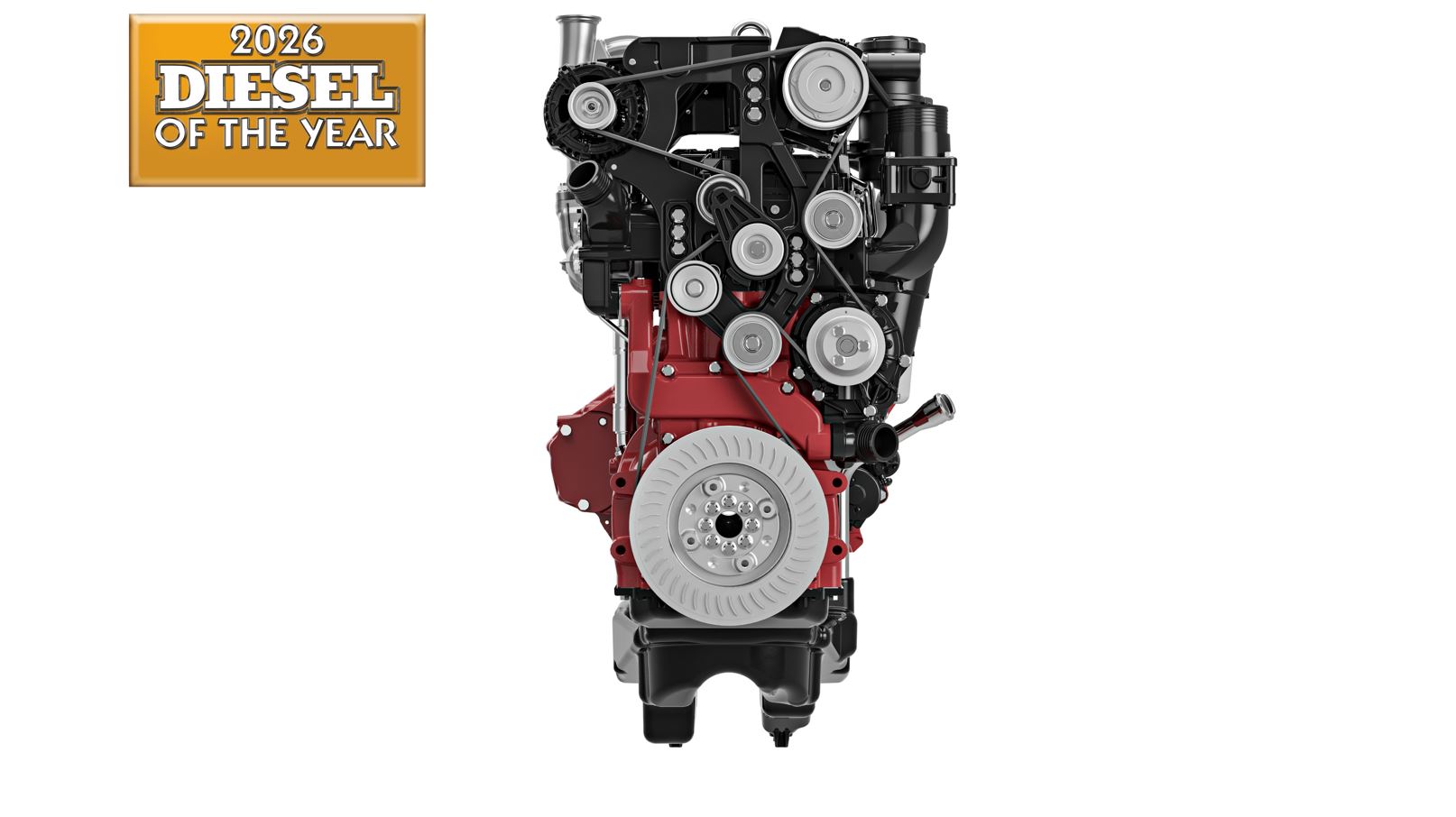
“The camshaft position has also changed. Previously it was located in the crankcase, requiring pushrods to transfer motion. It is now positioned higher up, resulting in a simpler structure, fewer moving parts and reduced wear. A further key change involves the gear train, which has been moved from the front of the engine to the rear. The reason is directly linked to vehicle geometry: the area previously occupied by the front-mounted timing gears is now where the tractor’s front wheel operates. Moving the gear train to the rear frees up that space, allowing a greater steering angle and making the tractor significantly more agile and manoeuvrable.”