GAMCO Promotes Ammonia on the Fields
CLAAS, MAN Engines and WTZ Roßlau are currently developing an ammonia-powered drive system for use in agricultural machinery. GAMCO – Green Ammonia Multifuel Combine – is designed as a research project and aims to investigate the suitability of an ammonia-powered drive system as a sustainable alternative to fossil fuels and to sustainable fuels such as hydrogen in ICEs
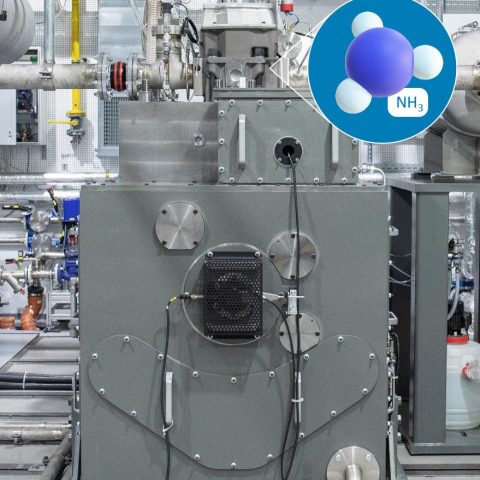
GAMCO is an acronym (Green Ammonia Multifuel Combine) that already speaks volumes. This ambitious project aims to take ammonia beyond the maritime sector and bring it under the hoods of agricultural machinery. It is an ambitious idea, given the well-known challenges related to space and the toxicity of ammonia, despite the fact that its molecule, NH3, contains hydrogen.
Who are the key players in the GAMCO project?
The collaborative project, led by WTZ Roßlau, is funded under the 8th Energy Research Programme via the project management organisation Forschungszentrum Jülich. The total budget amounts to 3.2 million euros, and the project will run from 1 May 2026 to 31 October 2029.
The engine used in the project utilises ammonia as its primary energy carrier. Ammonia itself contains no carbon and therefore produces no direct CO₂ emissions when combusted. Ammonia can be produced from renewable energy sources worldwide in locations where energy is particularly cheap. Thanks to its high energy density and ease of storage compared to hydrogen, it is well suited as a transport medium for green energy.
Nevertheless, this energy source places high demands on combustion, exhaust gas after-treatment, storage and safe handling, all of which are to be investigated in the project under real-world conditions.
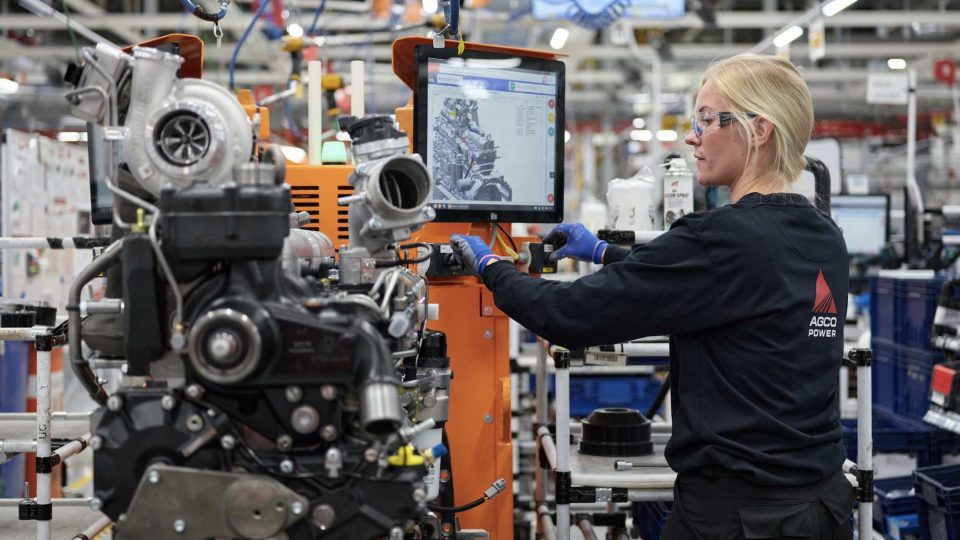
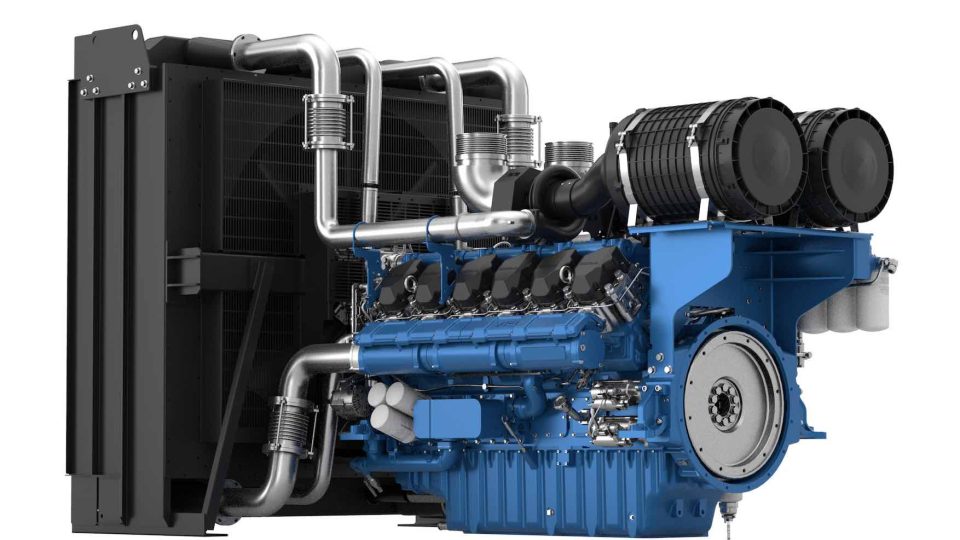
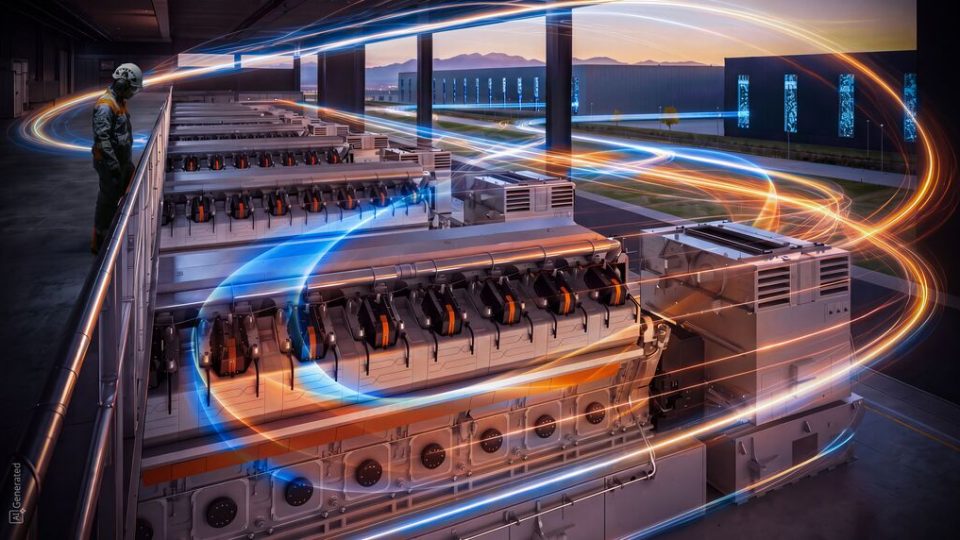
MAN Engines, who invested in this technology for agricultural applications, for power generation and work boats too, and WTZ Roßlau are responsible for developing the engine system. At CLAAS in Harsewinkel, work is underway to integrate the technology into an agricultural machine. In this way, engine development and agricultural application are specifically brought together within the project.
The project aims to demonstrate the potential that sustainable fuels hold for high-performance agricultural machinery – and that even the internal combustion engine can contribute to the decarbonisation of agriculture.
Agricultural machinery embeds technological openness
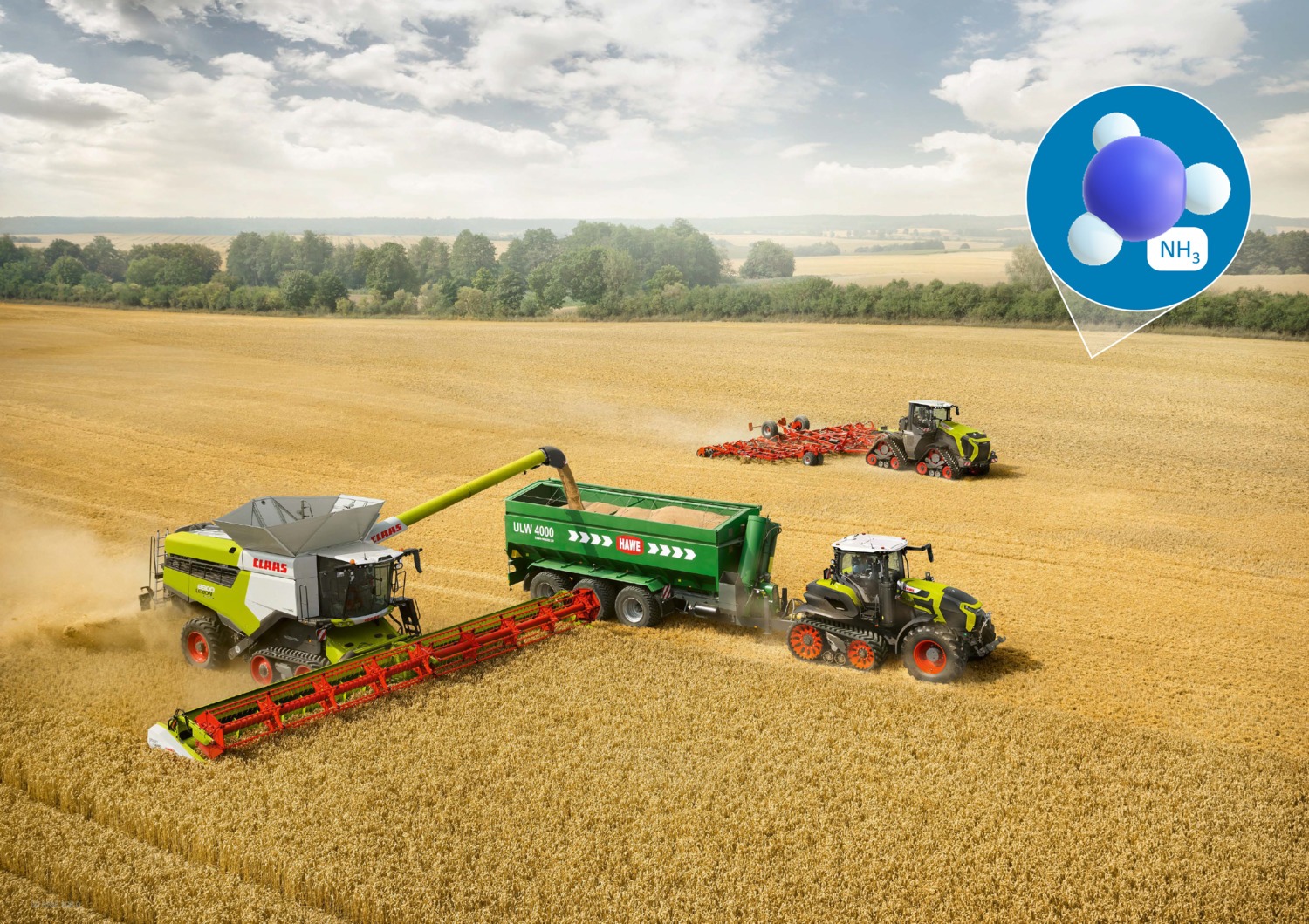
CLAAS sees ammonia-powered engines as a potential sustainable energy source for agricultural machinery in the future. “High-performance machines, particularly harvesting machinery and large tractors operating at full load, will continue to rely on energy-dense liquid fuels in the near future,” explains Martin von Hoyningen-Huene, Executive Vice President of the Tractor Business Unit.
“To reduce the CO2 footprint, alternative fuels such as HVO or, subject to appropriate approval, B100 biodiesel can be utilised using largely existing technology and infrastructure, whilst hydrogen poses greater technical challenges. We would like to explore and better understand the opportunities and limitations of ammonia-powered engines as a potential further part of the solution.”
In the lower power range and for certain suitable applications, locally emission-free, battery-electric alternatives are already available today as part of a sustainable technology mix – including at CLAAS. “At Agritechnica 2025, we unveiled the TORION 537e SINUS, which complements our product portfolio and can achieve operating times of up to 16 hours in material handling with intermediate charging,” Hoyningen-Huene continued. “Areas of application for this quiet, locally emission-free technology include, for example, work carried out close to the farm – such as tasks relating to animal welfare in the barn – or municipal work.”
In the past, CLAAS has already participated in several research projects on alternative powertrains and fuels, such as B100 biodiesel and hydrogen engines. “The key to successful defossilisation and decarbonisation across all industries lies in an open approach to technology,” concluded Hoyningen-Huene. “This is the only way to develop and market the best and most sustainable solution for all areas of application, taking a wide range of factors into account.”
AMMONIA: MAHLE AND THE REACT PROJECT