Deutz and the 17 PowerTree for KTEG
Deutz has received by KTEG the first volume production order for its PowerTree rapid charging station
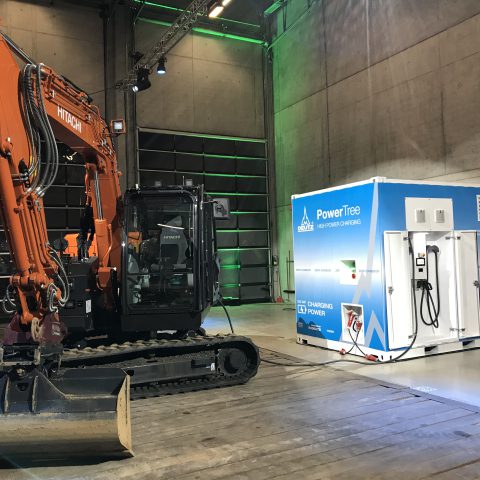
Deutz and the PowerTree, we told you about last year, from the Deutz Days at Coreum. Now, Cologne company has received the first volume production order for its rapid charging station.
Deutz PowerTree rapid charging station
According to Deutz, KTEG, a manufacturer of specialist construction machinery and pilot customer for the first PowerTree units, has ordered a further 17 of them. They will supply energy on-site for electric construction vehicles.
“Power supply infrastructure is key when it comes to using alternative drive systems, which is why we have made it our mission to help our customers make the switch. The PowerTree from E-Deutz brings electricity to the vehicle. KTEG has joined us in taking a big step closer to climate-neutral mobility,” says Markus Müller, Chief Technology Officer of Deutz AG.
Installed in a robust 10 foot container, the PowerTree is easily transported to where it is needed. The mobile backup battery with a rapid charging point provides a charging capacity of up to 150 kW – enough to charge construction equipment or a tractor during the operator’s lunch break. Using the Deutz PowerTree is straightforward, with no specific training required. And thanks to the PowerTree Connect digital app, all data relating to the charging point and the charging process can be tracked on site.
The KTEG point of view
“For us, the focus is on the customer. Reducing emissions in the construction sector is an issue for our customers. That’s why we offer electric excavators (8-10t) as well as the PowerTree as a mobile rapid charging station here. We also ensure that our electric machines are ready for use for a whole day. And what is just as important: they are recharged in the shortest possible time. This is how we set standards – entirely in the interest of our customers,” explains Harald Thum, Managing Director of KTEG.