Sea Li-ion to electrify large ships
Sea Li-ion European project is going to electrify the maritime sector. Battery Loop is on board
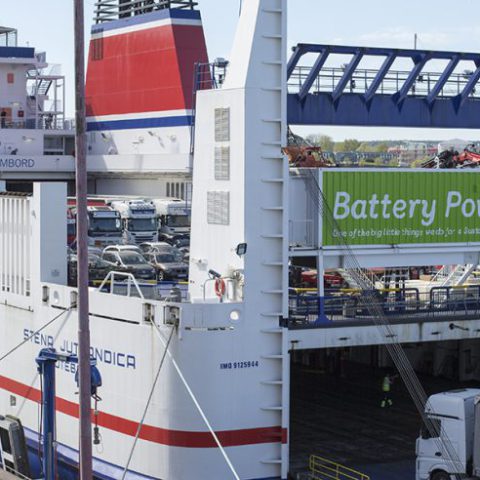
Is the electrification of large commercial ships a chimera or is it an actually viable option? According to the partners of the Sea Li-ion project stepped up to the challenge to address knowledge gaps that remain when it comes to battery use for ship propulsion.
About Sea Li-ion
The EU funded project Sea Li-ion has now been finalized, the report has been sent and today Wednesday 16th November the findings are presented at a seminar hosted by Lighthouse – Swedish Maritime RD&I collaboration platform. The participants of the project were: Stena Rederi, Port of Kiel, DNV, Port of Gothenburg, Stena Recycling and BatteryLoop. “With the price model that the network owner has, we must reduce the power levels and equalize energy utilization. An energy storage solves the problem and reduces the power charge while we can stabilize the grid,” says Per Wimby Project Leader at Stena Rederi.
Together the participants have fulfilled four activities:
- Creating the design of ESS for use in ports.
- Evaluating the recycling potential of lithium-ion batteries.
- Assessment of grid impact of the ESS on electricity grid systems.
- Business case for ESS in ports.
Apart from the activities, several workshops have been conducted, with several regarding assessment of risks and safety with energy storages in various port environments. Collaboration has been a key aspect and for instance the Rescue Service and RISE has been involved. Energy mappings of ports was done at Port of Gothenburg, Port of Kiel and Port of Karlshamn.
The Port of Gothenburg
A business case for electric ferries and ESS in ports was conducted on the Port of Gothenburg. The results showed that, for now, there is sufficient power. However, placing an ESS in the port creates opportunities to free up power for other things. As the ESS would only be used a few hours a day for the charging of the ferry it could be used to support the grid or other services. To charge one ferry, 5% of Gothenburg total electricity power consumption is used. In other ports, an ESS could be necessary to enable charging of electric ferries.
“Even though the capacity is available in the Port of Gothenburg now, with the ongoing electrification of society one could question what it will be like in five to ten years,” says Viktor Allgurén Head of Innovation at Port of Gothenburg.