Scania in 2023: growth in net sales and adjusted operating income, electrification seems to slow down
On the ZE vehicle side, Scania managed to delivery less electric vehicles in 2023 compared to 2022: 246 units vs 262. “While electrification is the ultimate answer, and we do our utmost to ramp-up production of battery electric trucks to deliver to our customers, fuel-saving actions and the usage of renewable fuels are decisive to decarbonisation here and now,” said CEO Christian Levin.
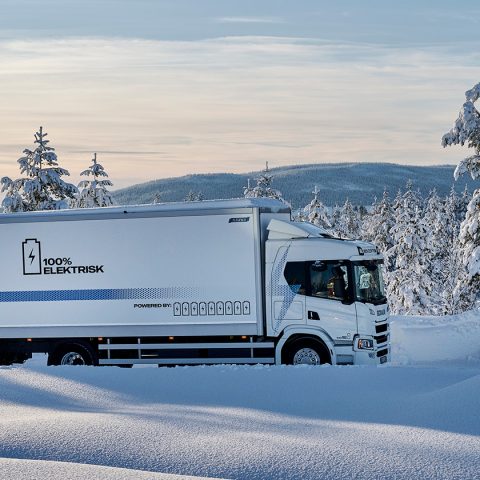
Scania has published its annual and sustainability reports, with the Swedish manufacturer performing strongly during the year, increasing both sales and earnings significantly. However, Scania managed to delivery less electric vehicles in 2023 compared to 2022: 246 units vs 262. Let’s see more into details.
Last year, Scania Group net sales grew by 28 percent to SEK 204.1 billion (159.2). Adjusted operating margin was 12.7 percent (8.8% in 2022). Deliveries increased by 13 percent to 96,727 vehicles, whereof Zero Emission Vehicles amounted to 246 units. Order intake increased by 2 percent to 84,080 vehicles.
Scania in 2023: CEO Christian Levin speaking
“Like many other businesses, Scania is adapting to a world where the ‘new normal’ means uncertainty and constant disturbances. While we managed to stabilise flows in 2023 and deliver a strong financial performance, we are still working hard together with partners and bodybuilders to improve delivery precision for our customers,” says CEO, Christian Levin. Last year, Scania inaugurated its battery assembly plant to enable large-scale production of electric trucks; the company also invested in and expanded the electric product portfolio.
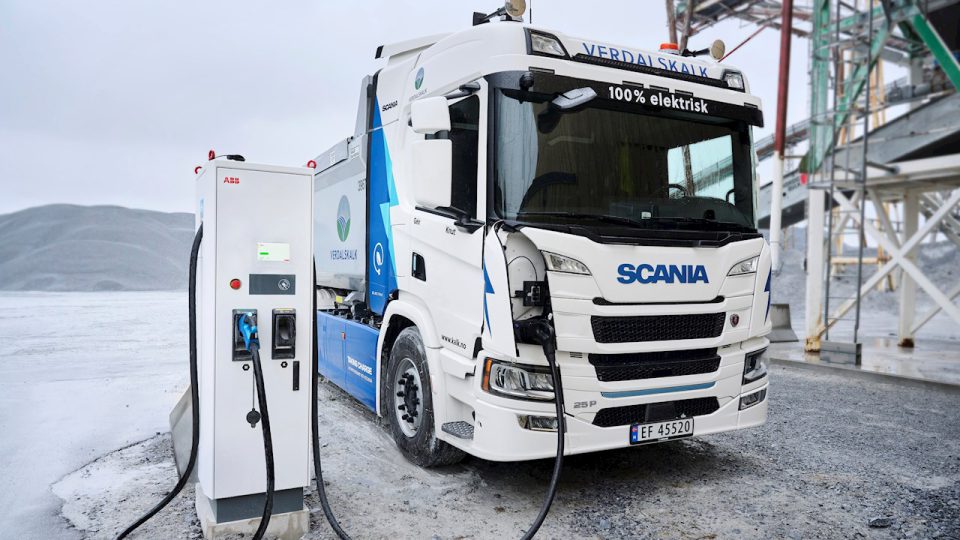
Talking about decarbonization, Scania had to admit that “decarbonising the rolling fleet where the lion’s share of carbon emissions come from is more challenging”. Within scope 3 of the Science-based targets, the aim is to achieve a 20 percent reduction by 2025. Currently the reduction is just below 3 percent since base year 2015. A changed sales mix resulted in a negative development of the KPI reported in 2023.
According to the press release, in 2024, Scania will focus efforts on driver efficiency, optimising vehicle specifications, promoting renewable fuels and expanding electrified solutions, to continue making progress with its emission reduction targets. The words of Christian Levin are quite clear: “While electrification is the ultimate answer, and we do our utmost to ramp-up production of battery electric trucks to deliver to our customers, fuel-saving actions and the usage of renewable fuels are decisive to decarbonisation here and now,” he said.