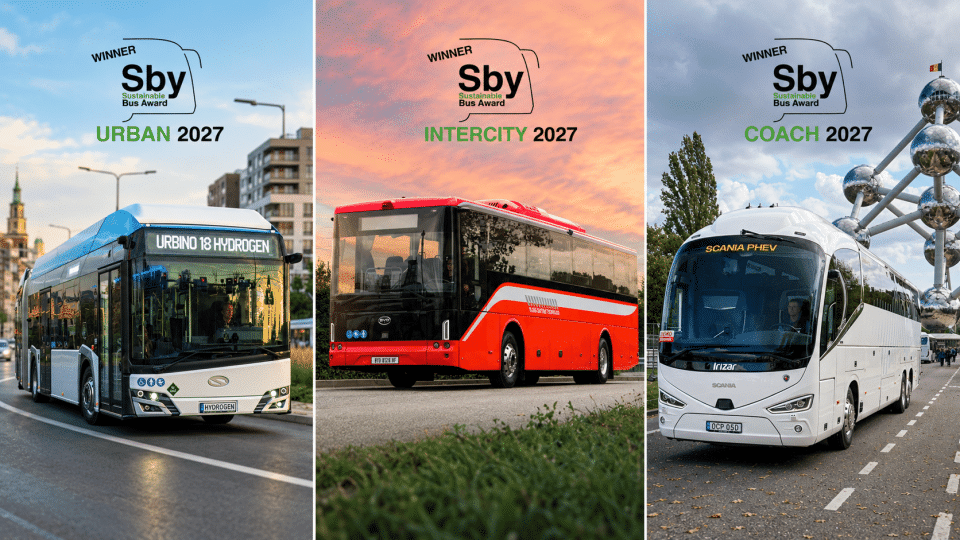
The Scania Super 11 has also Charmed Buses
Scania Super 11 aims to save 10% fuel and provide much longer engine lifespan, improved serviceability and compatibility with renewable fuels, and better braking power
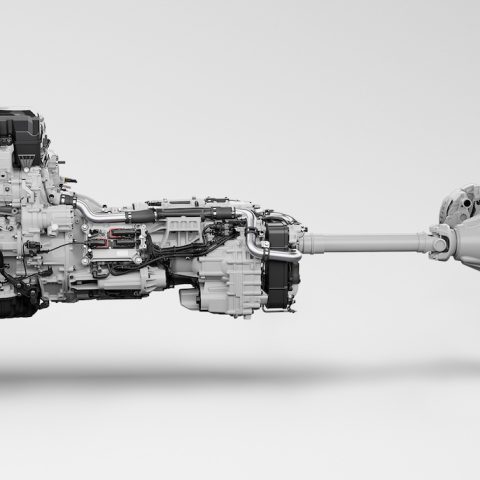
The rise of Scania’s Super engine is down to the brilliant engineering behind it and the landmark 50% efficiency mark for automotive applications. Derived from its 13-litre big brother, the DotY 2023 in its industrial version, the Super 11 made its debut last year. It is now ready for the bus and coach sector.
Super 11 for the People Transportation
Just six months after launching the game-changing 13-litre Super powertrain for people transport, Scania has returned with a brand-new 11-litre option – the Super 11 – that is suitable for operations within both the Urban and Travel segments.
The new Super 11 extends Scania’s portfolio of its most efficient combustion powertrain platform ever, providing further alternatives for people transport operators. It will be relevant for a wide range of operators, including companies running urban routes and longer inter-city routes. The Super 11 is much more fuel-efficient than the nine-litre, and with output options of 350, 390 and 430 hp, it has the power to also handle certain applications in which the 13-litre is currently used.
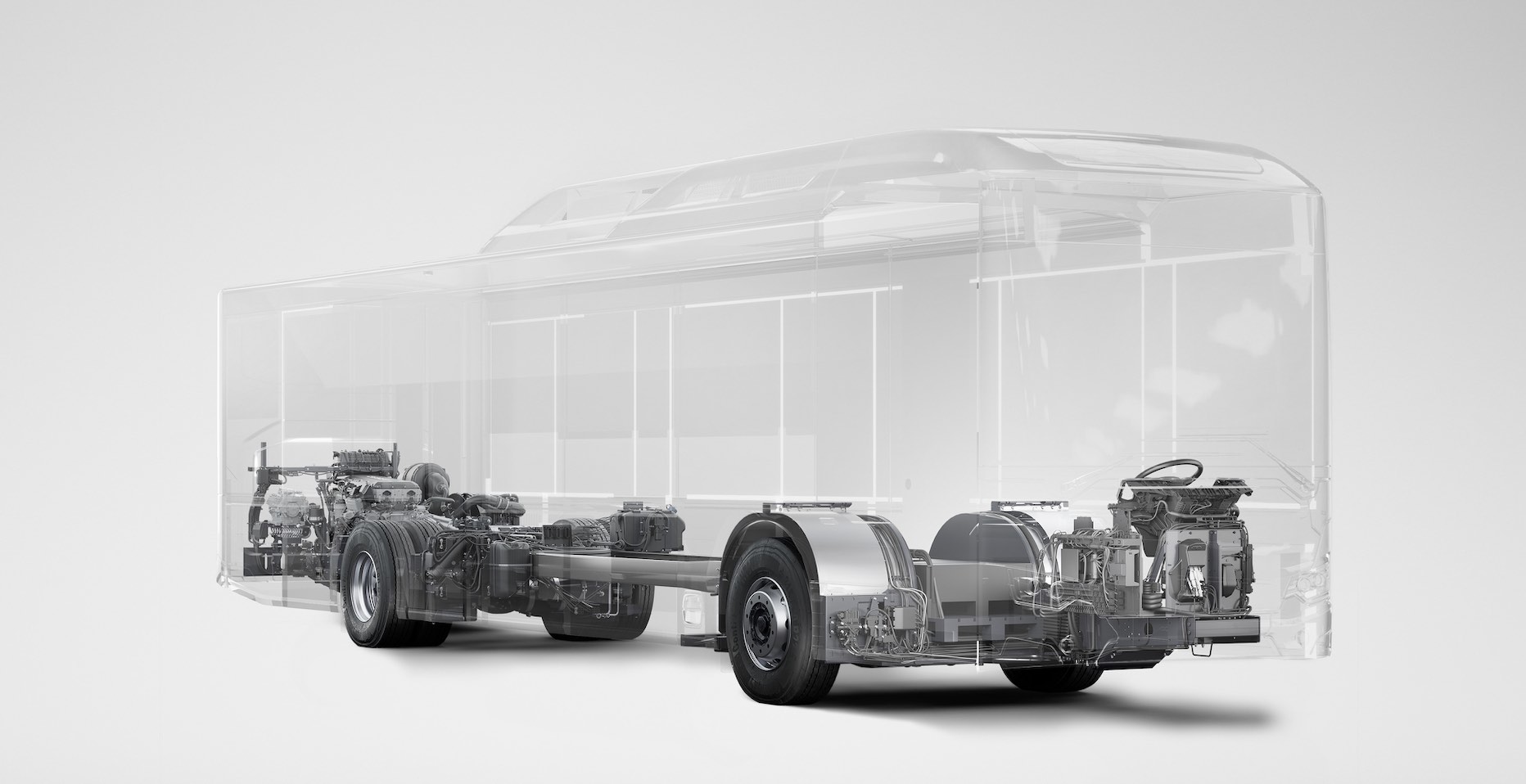
The main headlines of the new powertrain include its remarkable fuel efficiency potential, much longer engine lifespan, improved serviceability and compatibility with renewable fuels, and the new Variable Valve Braking technology.
Fuel Savings
In particular, the fuel efficiency benefits stand out, with ten percent fuel savings in many cases compared with its predecessors. Part of those fuel savings comes from the inclusion of Variable Valve Braking (VVB). VVB combines the compression release brake technology from the new 13-litre engines with the cam phaser technology from the new Super 11, creating an impressive braking power of up to 350kW.
Depending on our customers’ operating conditions, Variable Valve Braking can replace the retarder, saving a massive 80kg in weight. VVB also contributes to better fuel consumption and lower emissions while providing quieter braking and greater control.
Like all Scania engines, the new Super 11 is compatible with the renewable fuels HVO and biodiesel (FAME).
Among the other key advantages are a longer engine lifespan of up to two million kilometres, a 25-percent increase on the previous equivalent. There is also improved serviceability because the oil and fuel filters have been positioned next to each other on the cold side of the engine, rather than the positioning on the warm side that is the case with its predecessors. That means there is no longer any need to wait before the engine has cooled down before any replacement work is done, reducing the amount of downtime in the workshop and the risk of losing revenue.
In addition to this, new rear axles and auxiliary brakes bring better performance and handling, while a new aftertreatment system (with twin SCR for Euro 6) offers excellent fuel savings and increased uptime.
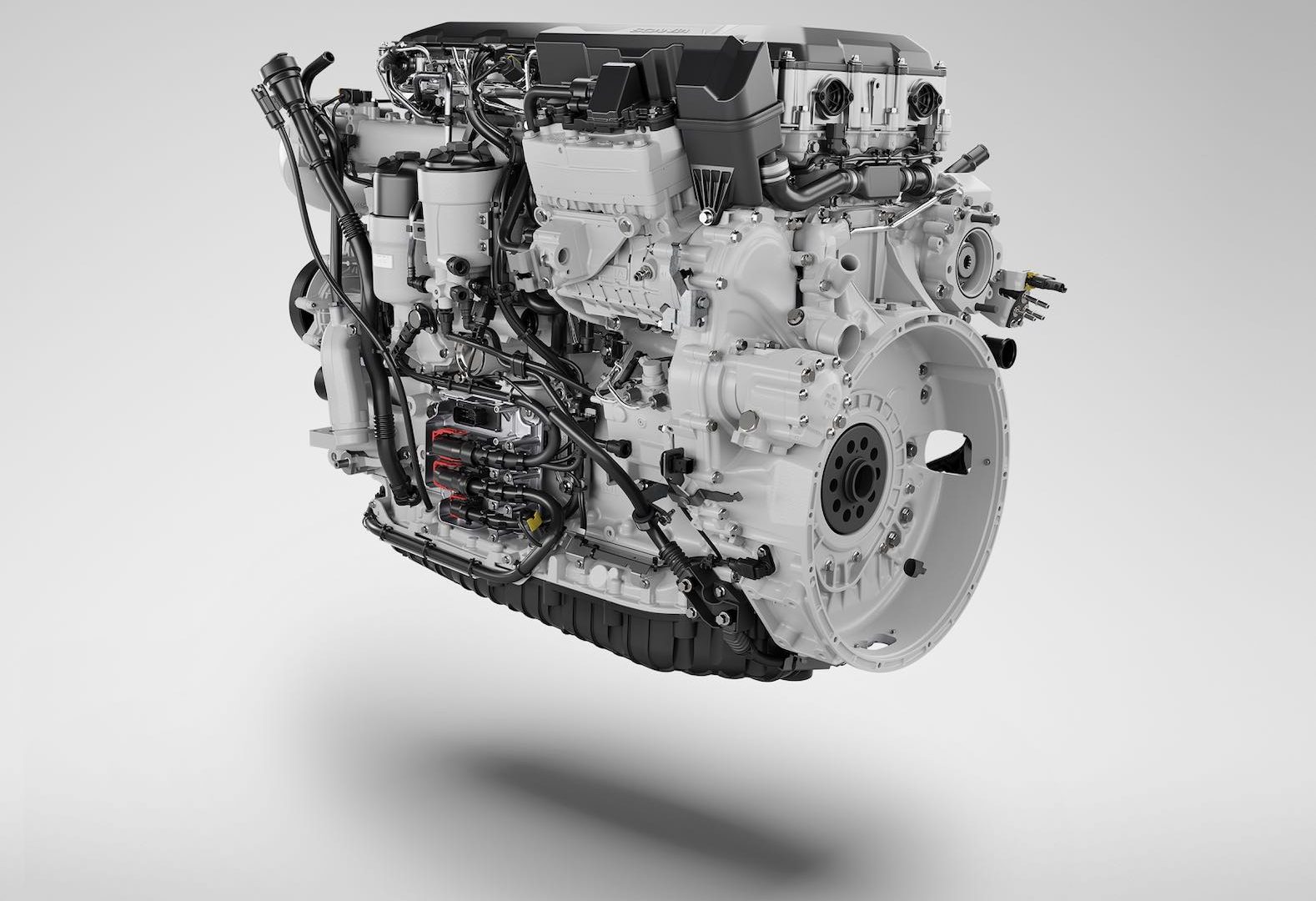
“The new Super 11 powertrain will help many Urban and Travel segment customers reduce their CO2 footprint, while also providing an economically competitive solution that meets their business needs now and in the years ahead,” says Anders Liss, Global Head of Business Solutions for People Transport Solutions at Scania.
“As perhaps the most efficient combustion powertrain on the market, it will be a very strong solution for operations where there will be a continuing need for combustion technology.”