Volvo Trucks and Cespira for Hydrogen ICE
The beginning of the H2 ICE testing activity was announced by Volvo Trucks about two years ago, and follows the development of the hydrogen fuel cell truck, thus providing additional option to customers in the future
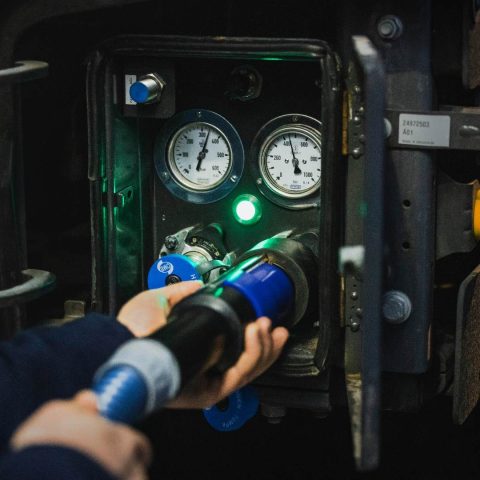
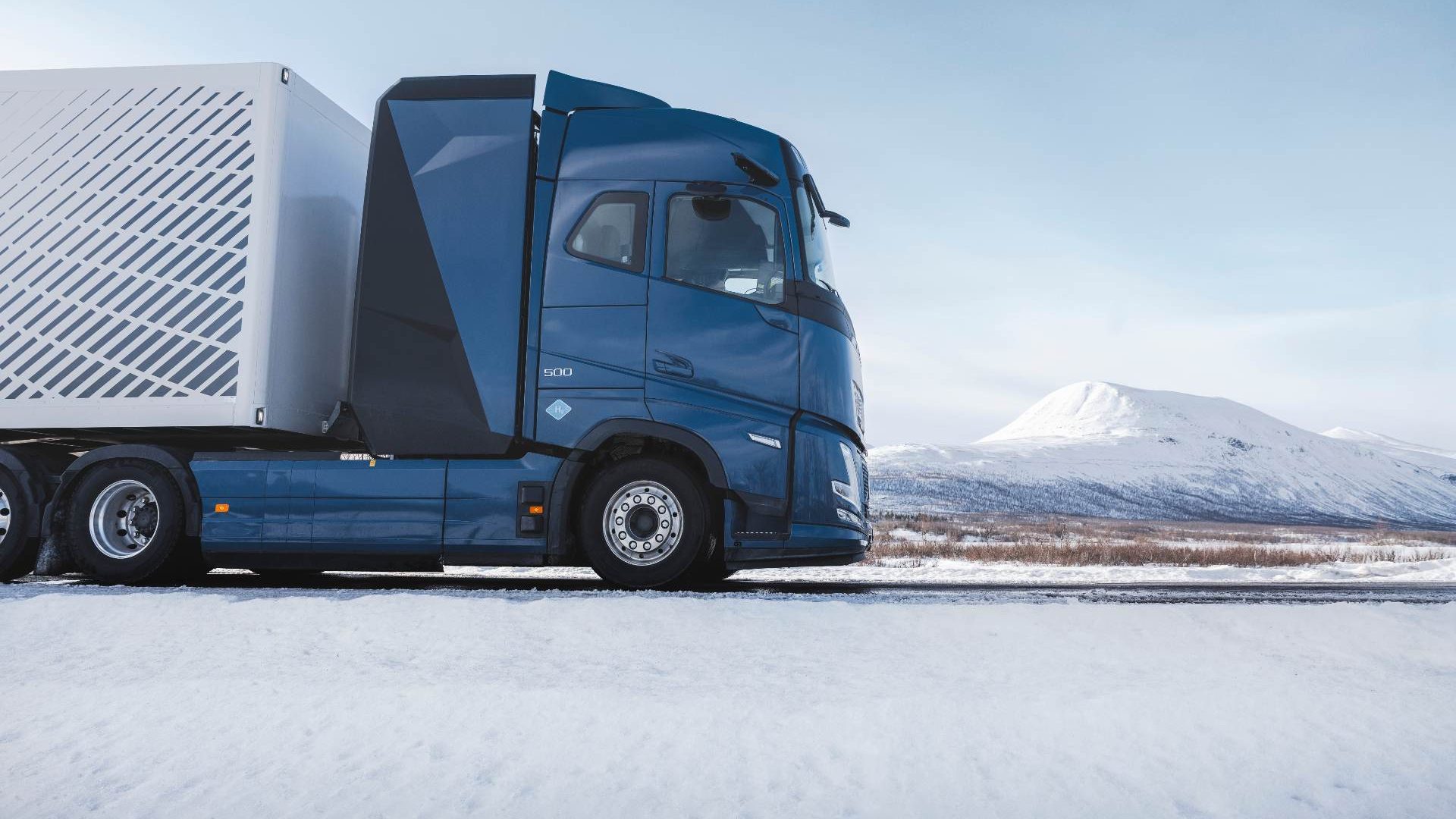
Volvo Trucks has begun on-road testing of heavy trucks powered by hydrogen combustion engines. The beginning of the testing activity was announced about two years ago, and follows the development of the hydrogen fuel cell truck, thus providing additional option to customers in the future. Indeed, Volvo Trucks plans to launch its hydrogen-powered ICE truck even before 2030.
All this was made possible thanks to the cooperation with the Cespira JV, shared by Volvo and Westport, and resulting in the application of the patented High Pressure Direct Injection (HPDI), a technology where a small amount of ignition fuel is injected with high pressure to enable compression ignition before hydrogen, in the truck powertrain. Volvo is already using this technology in its gas-powered trucks, with more than 10,000 units sold globally.
Volvo pushing on hydrogen: the ICE project is shared with Cespira
“On-road testing is an important milestone for our hydrogen combustion engine trucks. I feel confident that they will be the best in the industry if you look at fuel efficiency, power, torque and drivability. Customers will be able to operate them just like diesel trucks. Our experience with HPDI technology in more than 10,000 gas-powered trucks is strong proof of its performance,” said Jan Hjelmgren, Head of Product Management at Volvo Trucks. Sustainable Truck and Van had a conversation with him, also dealing with the issue of hydrogen, here.
In short, Volvo’s advanced hydrogen engine technology is derived from its diesel powertrain, delivering diesel-like performance while substantially cutting CO2 emissions. Under the Volvo vision, the hydrogen-powered combustion engine trucks will complement the company’s offering of other alternatives, such as battery electric trucks, fuel cell electric trucks and trucks that run on renewable fuels, like biogas and HVO (Hydrotreated Vegetable Oil).
“We see great potential for hydrogen combustion engine trucks and they will have a role to play in the transformation to zero tailpipe emission transport. Several technologies will be needed to decarbonize. As a global truck manufacturer we offer a variety of decarbonization solutions and help our customers choose the best alternative based on transport assignment, available infrastructure and green energy prices,” added Jan Hjelmgren.