The Death Sentence for Diesel Is Off
The internal combustion engine isn’t dead – and it won’t die in 2035. EU emissions limits drop to 90%, leaving biofuels and hybrids a lifeline. The ruling pleases no one, but spares the engine from extinction
Rudolf Diesel, are you listening? It had been hanging in the air, waiting to filter down from the stratosphere to road level – and to construction sites, fields, and so on, and so forth. The European Union has significantly softened its restrictions on the internal combustion engine, which had been under a death sentence by guillotine, scheduled for 2035.
If you’re hybrid, despite Diesel, then you’re fine
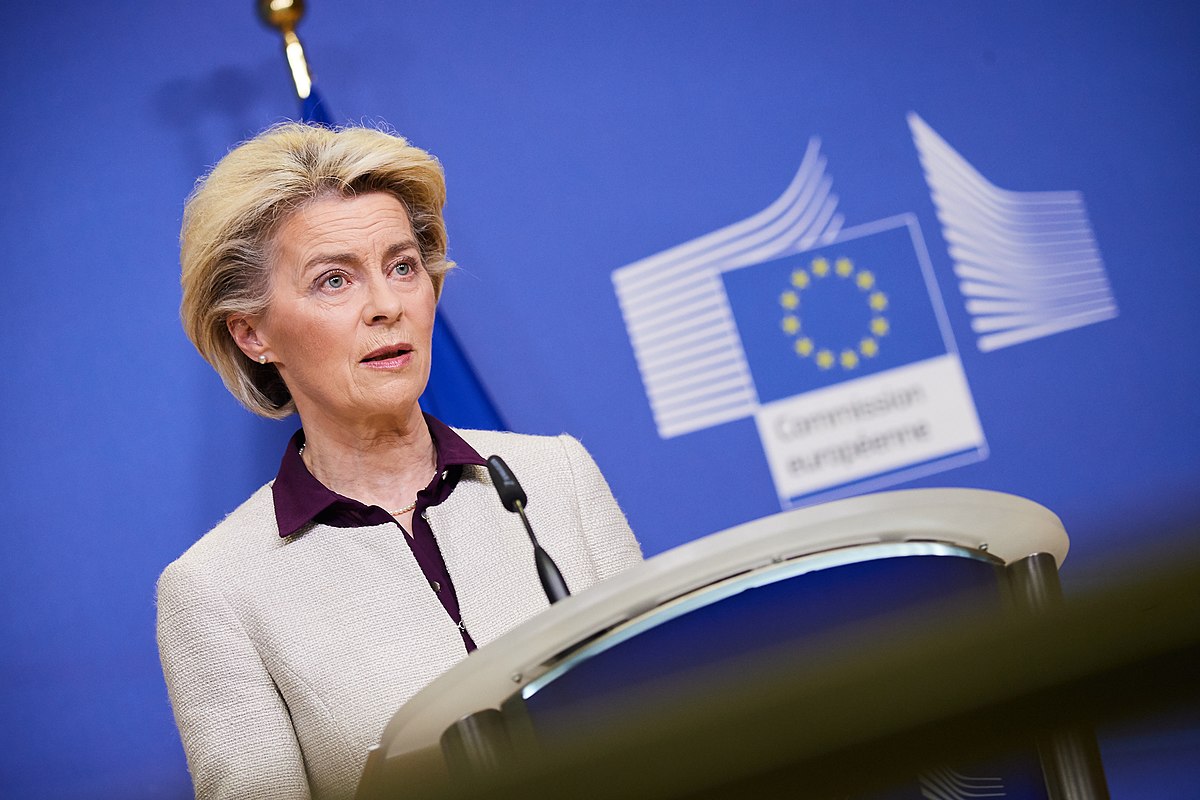
A reprieve, signed by Ursula von der Leyen, that unleashes opposing factions. Ecumenical in its own way, it manages to disappoint both the praetorians of the Diesel and Otto cycles and the environmentalist vanguards. The scapegoat is the internal combustion engine, recessive in its toxicity when compared with nitrogen fertilizers, the most energy-hungry industries and those producing pathogenic residues.
“I told you so, I told you so, I told you so…” mutters the deep gut of the Powertrain reader. What was feared has come to pass. An unworkable deadline has been disavowed by a mid-course correction that threatens to be unable to revive the internal combustion engine supply chain and risks choking the emerging – though far from disruptive, indeed still stammering – battery electric vehicle ecosystem. How will those who have invested vast sums to spread the electric gospel react, from the Strait of Gibraltar to the new Euro-Russian Iron Curtain?
So, dear hybrid – until now penalised by the orthodoxy of the two contenders (ICE vs BEV) – your time has come. In ten years’ time, Rudolf’s banner will be flying within a package marked by downsizing: a smaller combustion engine paired with less bulky batteries.
Under the heading “bio” lies the Trojan horse of technological neutrality
Italy and Germany walk out arm in arm from the Strasbourg ruling: biofuels and e-fuels will float in fuel tanks with the neutral candour of Panna water and that familiar “good” scent of an Arbre Magique. How is all this possible? Simple. The EU Commission has reduced the round, apocalyptic figure of 100 per cent: CO₂ emissions at the tailpipe will have to amount to 90 per cent compared with 2021 levels. In that remaining 10 per cent lies the redemption of the internal combustion engine – and the grinding ambitions of electric mobility.