Injection for alternative fuels: that’s how Liebherr works for the future
Liebherr is developing ‘climate-friendly’ injection solutions for alternative fuels: namely, hydrogen and synthetic fuels. As the internal combustion engine is still the dominant form of propulsion for mobility today, Liebherr’s Components Division sees it as a logical step to also advance the internal combustion engine for the use of CO2-neutral fuels. The way forward has […]
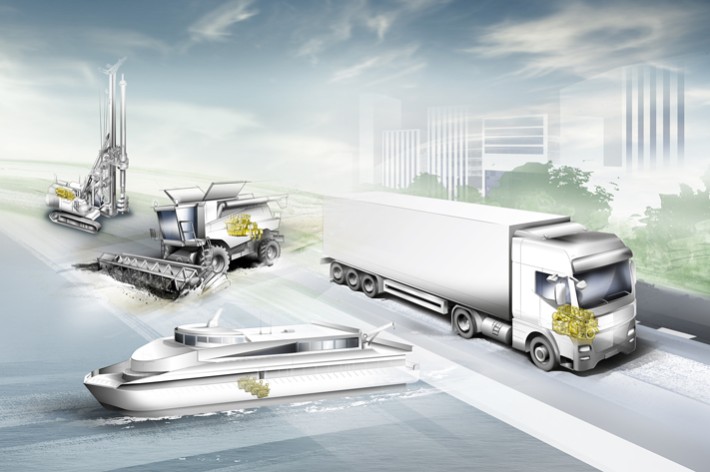
Liebherr is developing ‘climate-friendly’ injection solutions for alternative fuels: namely, hydrogen and synthetic fuels. As the internal combustion engine is still the dominant form of propulsion for mobility today, Liebherr’s Components Division sees it as a logical step to also advance the internal combustion engine for the use of CO2-neutral fuels.
The way forward has been paved for new mobility systems. Climate change and environmental policy requirements mean that this form of mobility needs to undergo further improvements.
Liebherr for alternative fuels. What about hydrogen?
In terms of costs and conversion, these new concepts can be integrated into existing engine platforms for heavy-duty applications with reasonable effort.
As a fuel in the combustion process, hydrogen is an attractive solution with its absolute CO2 neutrality. Of course, the premise that hydrogen is produced exclusively using renewable energy sources must be taken into account.
Liebherr is currently working on solutions for direct hydrogen injection that is ready for series production in correlation with the binding CO2 targets for trucks introduced in 2019. Liebherr is announcing the first engine tests before the end of the year.
The case of the so-called e-fuels
An additional alternative is offered by synthetic fuels. Electricity-based fuels, the so-called e-fuels, contain significantly more oxygen than diesel fuels. Consequently, synthetic fuels burn much cleaner and generate fewer emissions. However, as a result of the higher oxygen content, energy density is lower, so more fuel is needed to generate the same engine power as a diesel engine.