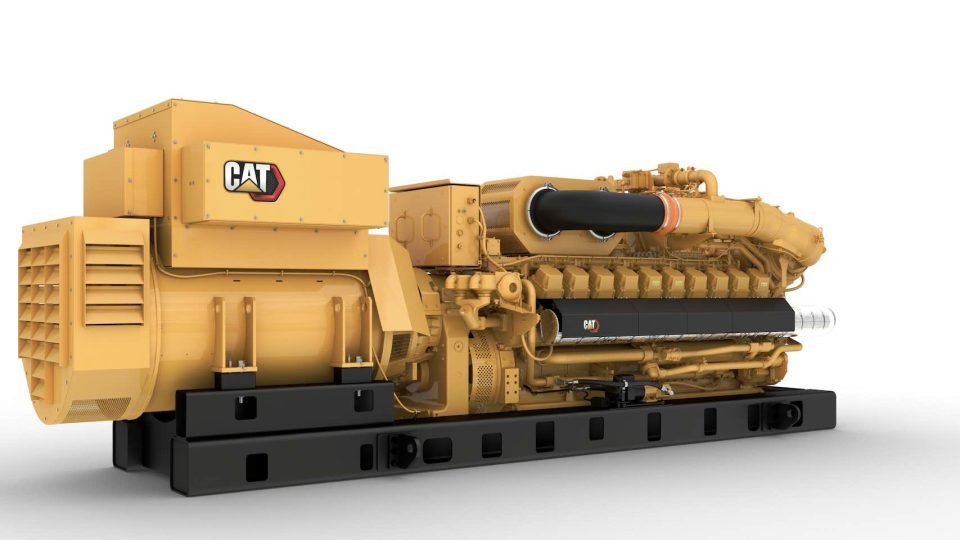
Compact by Design: How Baudouin’s M33 and M31 Platforms Are Redefining Footprint Efficiency in Power Generation
Baudouin's M33 and M31 engine platforms are gaining ground in the power generation sector, leveraging their greatest strength: power density
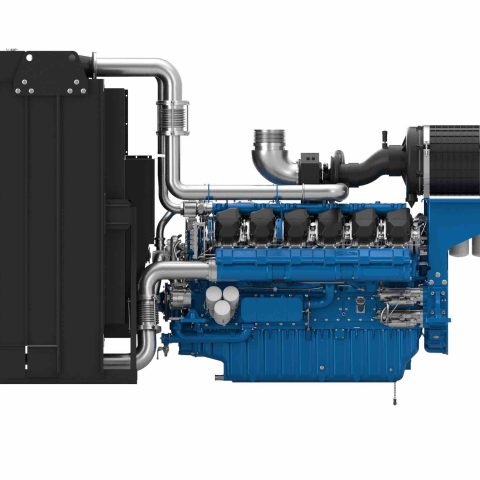
In power generation, available space is a resource customers count in square meters and dollars alike. Rental fleets, industrial sites, and critical-power installations all share the same pressure: deliver more power within a fixed, and often shrinking, physical envelope. Baudouin’s M33 and M31 engine platforms are engineered with that pressure in mind, treating a lean installation footprint as a core performance specification alongside output and efficiency.
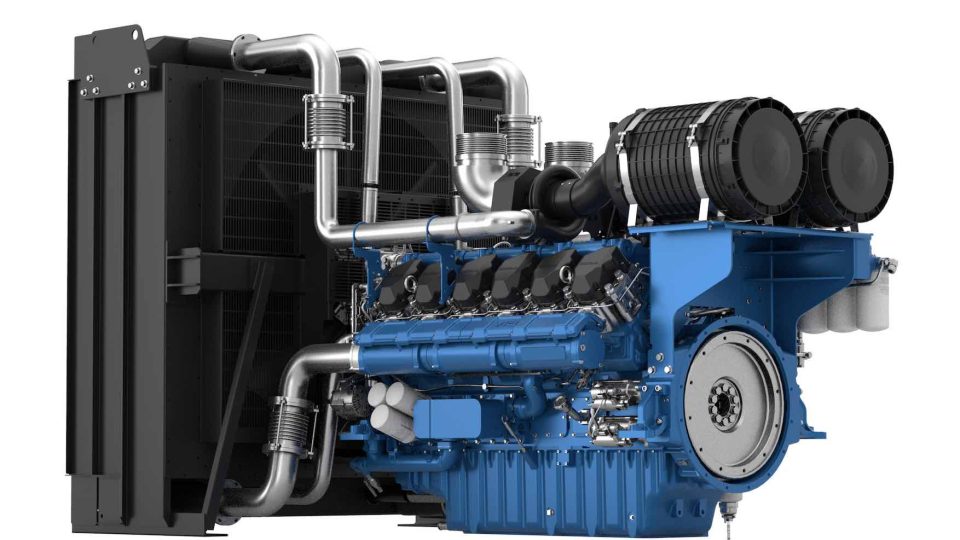
Start with the 12M33 Stage V, a 39.2-liter V12 unit delivering 1,130 kWm (1,100 kVA) at PRP, the rating that matters most for rental fleets and prime-power projects, where the Stage V platform sees its widest deployment. Baudouin’s own analysis puts a number on the advantage of consolidating output into a single block: reaching the same combined power that would otherwise require two smaller engines takes up roughly 6.4 m², against around 8.5 m² for a two-engine equivalent.
For OEMs designing gensets, and for operators moving equipment between sites, that gap means smaller enclosures, fewer shipping units, and leaner transport and civil-works budgets, all while preserving the redundancy that demanding installations require. The 12M33 is also built to fit within a standard 20-foot container, a detail that simplifies logistics and site turnover as much as it does plant-room layout.
M33 Range: Powerful and compact
Move down a power band and the same engineering discipline shows up differently. The 6M33 packs 19.6 liters of displacement into a power density of 34.4 kW per liter at PRP (50 Hz), a figure that places it among the strongest performers in its class of inline-six engines according to Baudouin’s benchmarking. In practical terms, more kilowatts per liter of displacement means a genset builder can specify less block for the same output, an advantage that adds up quickly across multi-unit installations, whether for temporary power projects, industrial back-up, or facilities such as data centers, where every centimeter of skid length affects how many units fit on site.
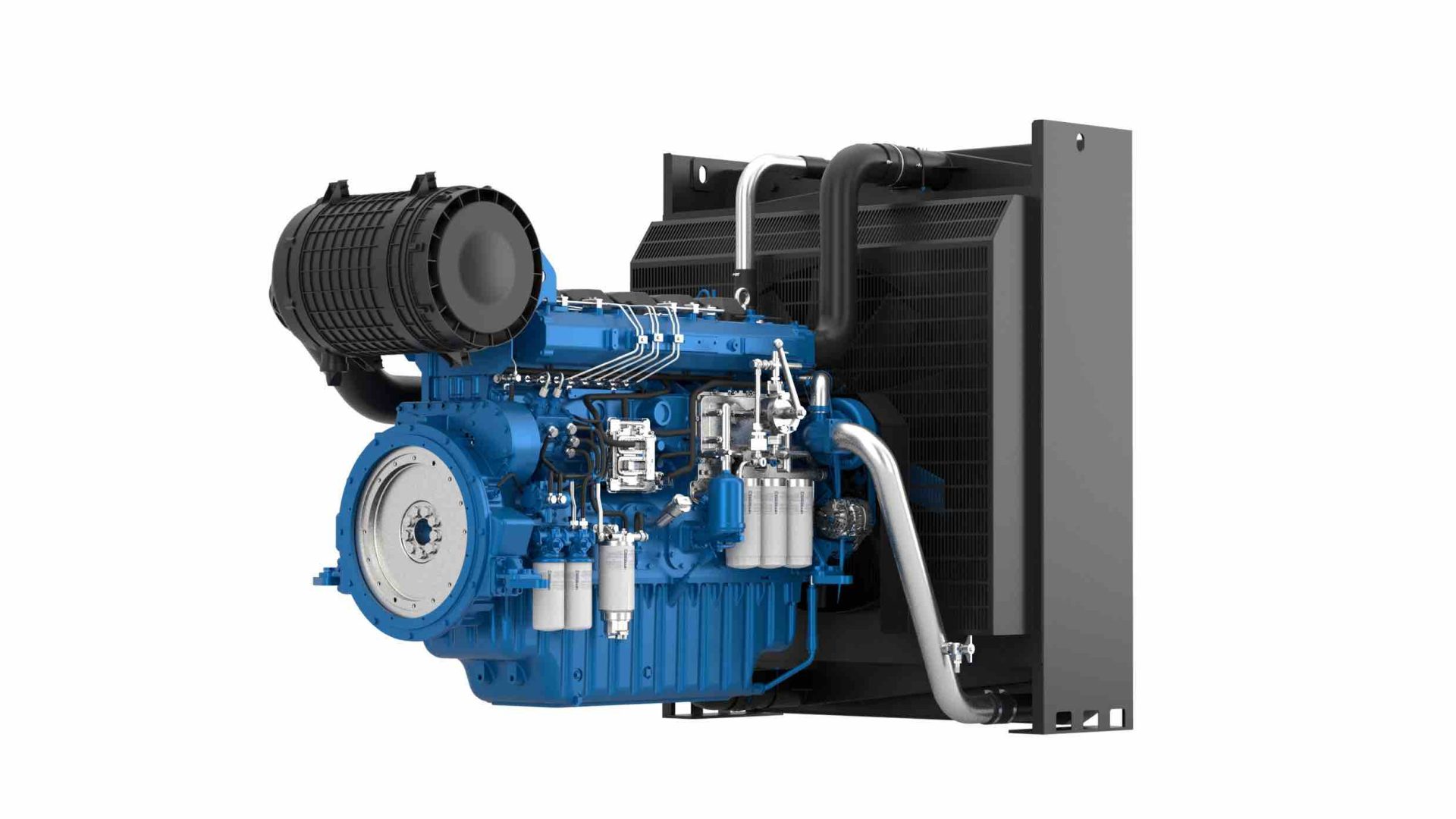
And the Light Weight of the 6M31
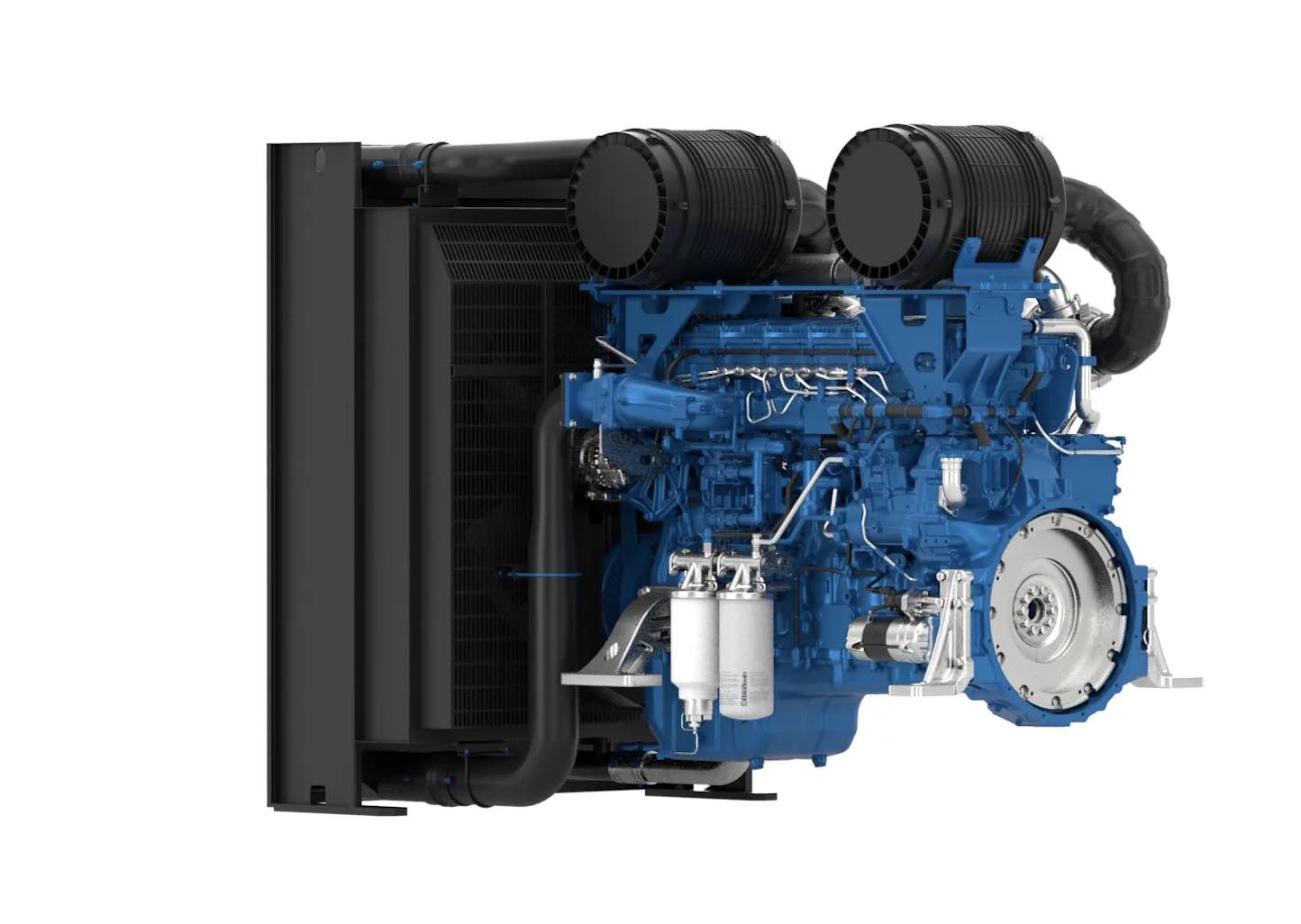
Weight tells the rest of the story for the 6M31, Baudouin’s newest addition to the range. At 18.5 liters and 1,627 kg dry (the lightest in its comparison set alongside the 6M33, 12M26, and 8M33), it delivers 610 to 880 kWm (660-1,000 kVA at ESP). A lighter block for a given output gives genset builders more room to work with standardized, space-efficient enclosures rather than redesigning around a heavier engine.
Across the range, the practical value for OEM customers is threefold: consistent enclosure and skid dimensions from project to project, lower transport and crane costs, and, because the M33 platform shares common parts, simpler spare-parts stocking and faster field readiness. For operators, whether running mobile rental fleets, industrial plants, or critical facilities, a smaller physical envelope per megawatt opens up flexibility that bulkier platforms can’t match: easier siting, quicker mobilization, and room to add redundancy without expanding the plant room.
Reliability, Load Acceptance, ISO 8258-5 G3, Service Network
Dimensions and weight, of course, sit alongside the fundamentals that anchor Baudouin’s reputation: reliability, load acceptance, ISO 8528-5 G3 compliance, and a global service network. Together, they make specifying a Baudouin M33 or M31 engine as much a space-planning decision as a power one, worth reading closely at the layout stage as site constraints tighten across rental, industrial, and critical-power markets alike.