Bosch introduces third generation of SiC chips
Next-generation Bosch SiC chips deliver 20 percent higher performance, increasing overall drive electronics efficiency. Since the start of production in 2021, Bosch has already delivered more than 60 million SiC chips worldwide
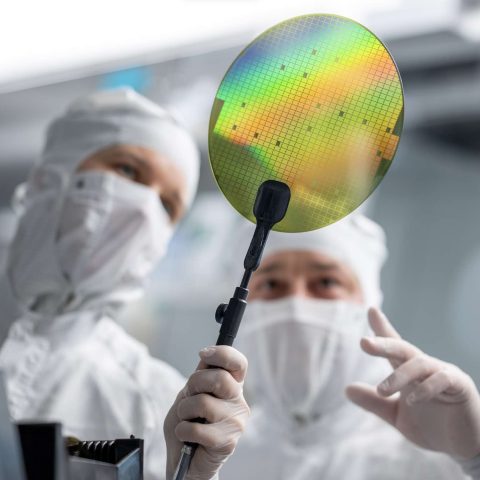
Bosch has started to introduce third-generation silicon carbide chips and is supplying samples to global automakers. “Silicon-carbide semiconductors are the key drivers of electromobility. They control the flow of energy and make it as efficient as possible. With our next-generation SiC chips, we’re systematically expanding our technological leadership in this field and helping our customers put even more powerful and efficient electric vehicles onto the road,” says Markus Heyn, member of the Bosch board of management and chairman of the Bosch Mobility business sector. “Our ambition is clear: we want to be a globally leading manufacturer of SiC chips.”
Bosch is thus positioning itself in a promising, high-growth market. Analyses by the market research and consulting company Yole Intelligence forecast that the global market for SiC power semiconductors will grow from 2.3 billion U.S. dollars in 2023 to around 9.2 billion U.S. dollars by 2029, driven primarily by electromobility (Power SiC 2024 report, Yole Intelligence, 2024).
What Makes Bosch’s Chips Stand Out
Silicon-carbide semiconductors switch much faster and more efficiently than conventional silicon chips. They reduce energy losses and enable a higher power density in the electronics.
“Our next-generation chips deliver 20 percent higher performance and are also significantly smaller than the previous generation,” Heyn says. “This miniaturization is the key to greater cost efficiency, as we can produce many more chips per wafer. That means we’re playing a key role in making high-performance electronics more widely available.”
Bosch has already delivered more than 60 million SiC chips worldwide since the first generation went into production in 2021. In recent years, Bosch has pushed ahead with its development work for SiC chips and at the same time increased its manufacturing and clean-room capacity. The company has invested around 3 billion euros in semiconductors as part of Europe’s IPCEI (Important Projects of Common European Interest) funding programs for microelectronics and communication technology. Its wafer fab in Reutlingen, Germany, develops and manufactures the third-generation SiC chips on modern 200-millimeter wafers.
Rosenville, California
In September 2023, Bosch acquired a second fab for SiC chip manufacturing in Roseville, California, and is currently equipping it with state-of-the-art, highly complex production facilities. The company is investing an additional 1.9 billion euros in the U.S. plant, which will manufacture and deliver its first SiC chips this year – initially as samples for customer trials.
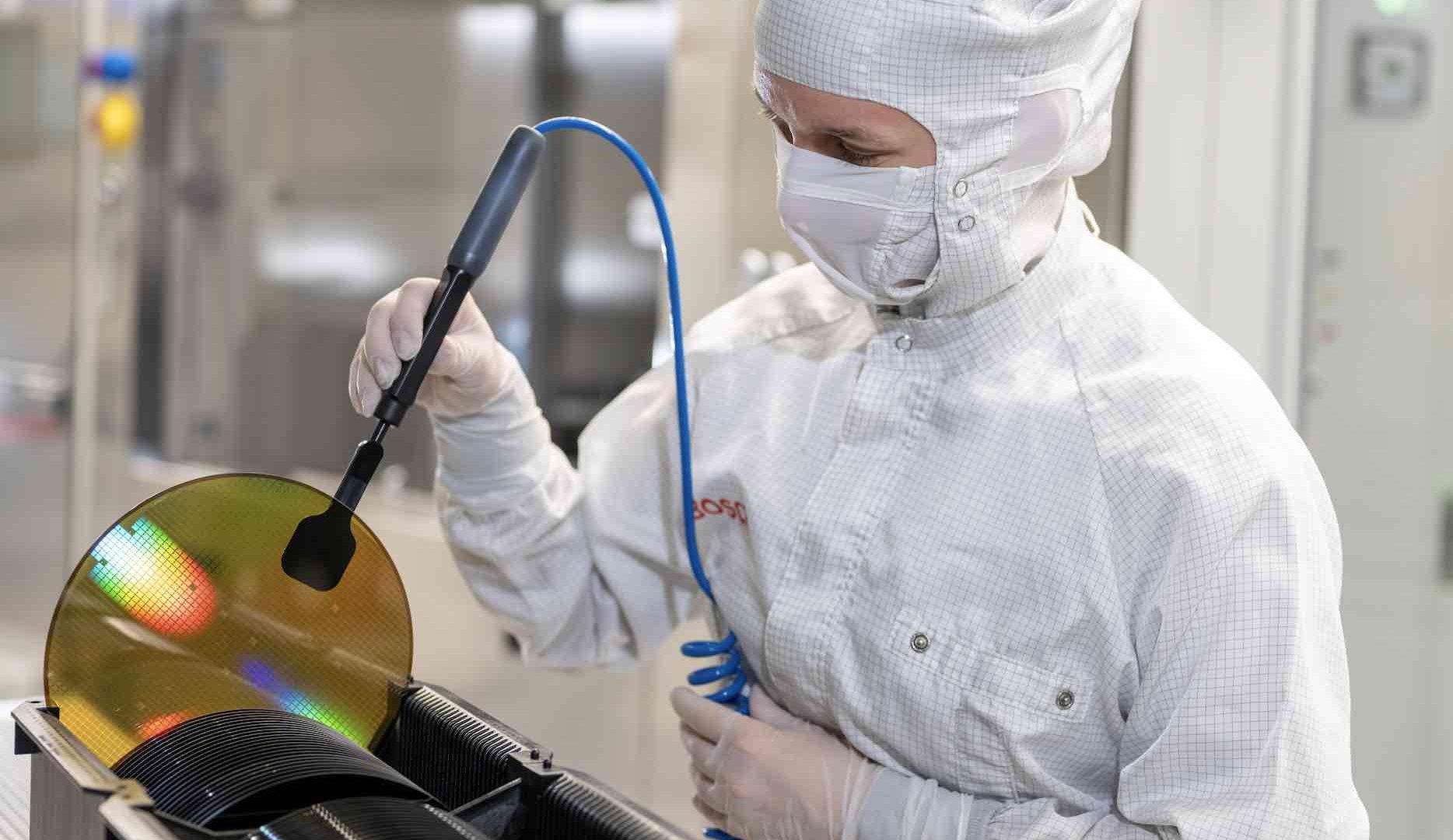
“In the future, Bosch will supply its innovative SiC chips from these two fabs in Germany and the U.S.,” Heyn says. In the medium term, Bosch intends to expand its manufacturing capacity for SiC power semiconductors to a unit volume running into the mid-nine figure range.
The company adapted its etching process, which has existed since 1994 and is known throughout the industry as the “Bosch process.” Originally developed for sensors, this process enables the manufacture of high-precision vertical structures in silicon carbide. This design greatly increases the chips’ power density – a decisive factor for the third generation’s superior performance.