AS Labruna’s Green Charging Islands: Mobile BESS for Land and Marine Electrification
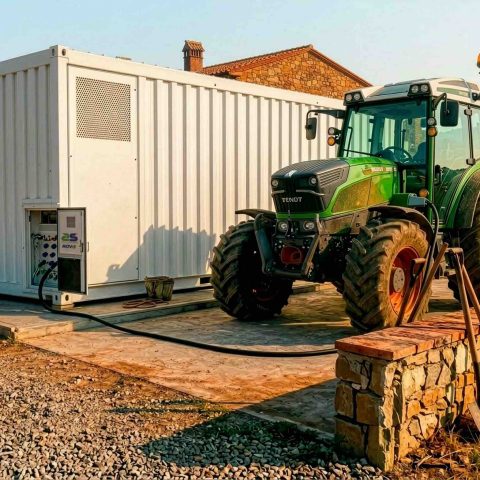
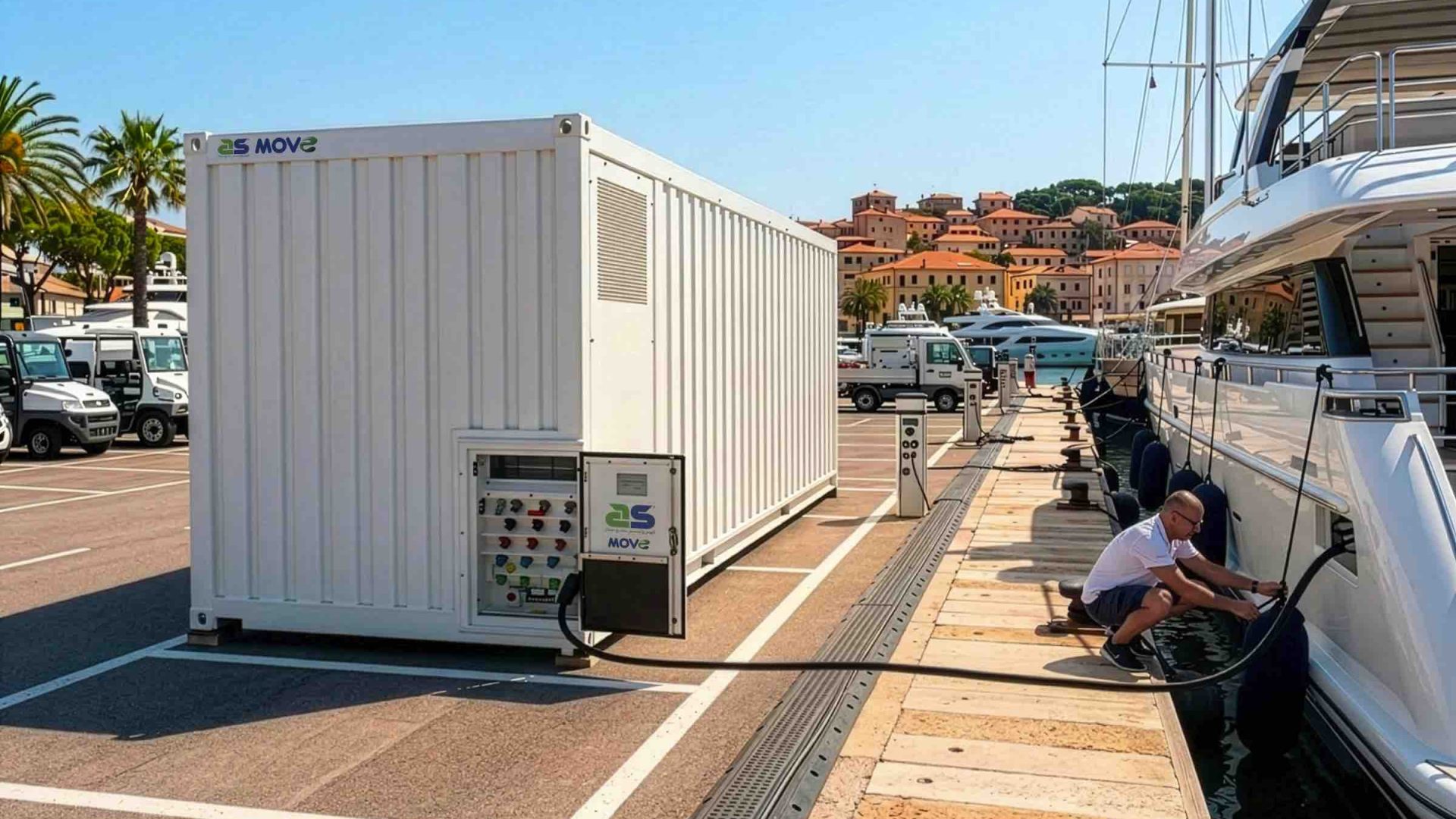
AS Labruna's green charging islands are mobile DC fast-charging BESS units designed to drive the electrification transition forward
The electrification bottleneck is structural — there is no point in dancing around it. AS Labruna is well aware of this, and it is precisely why the company has identified green charging islands as the solution to accelerate the adoption of battery packs in both land and marine ecosystems. AS Labruna has long been committed to developing functional, and at times visionary, propulsion package applications capable of consigning dependence on fossil fuels to the past (and charging systems as well) — as if the weight of regulatory mandates and public opinion were not already enough, the theatre of ongoing conflicts leaves both companies and consumers holding their breath.
BESS the AS Labruna Way: Mobile and Fast-Charging
“Being genuinely committed to supporting the entire energy transition supply chain, we are developing green charging islands. We see this as the coherent way to operate electric fleets: these are power banks — better known as BESS — that charge slowly from renewable sources (wind, solar, biomass, and from the grid in emergencies), and discharge rapidly to fit within operational cycle times. These DC fast-charging systems recharge mobile machinery and vessels at up to 300 kW, completing the charging process in as little as 5 to 10 minutes. Achieving these results requires a virtuous integration process, especially considering that these systems must comply with a wide range of regulations, from fire safety to road transport to electromagnetic compatibility. Integration is one of AS Labruna’s core strengths, and that is why we have thrown ourselves enthusiastically into this latest challenge.”
From 30 to 1000 kWh
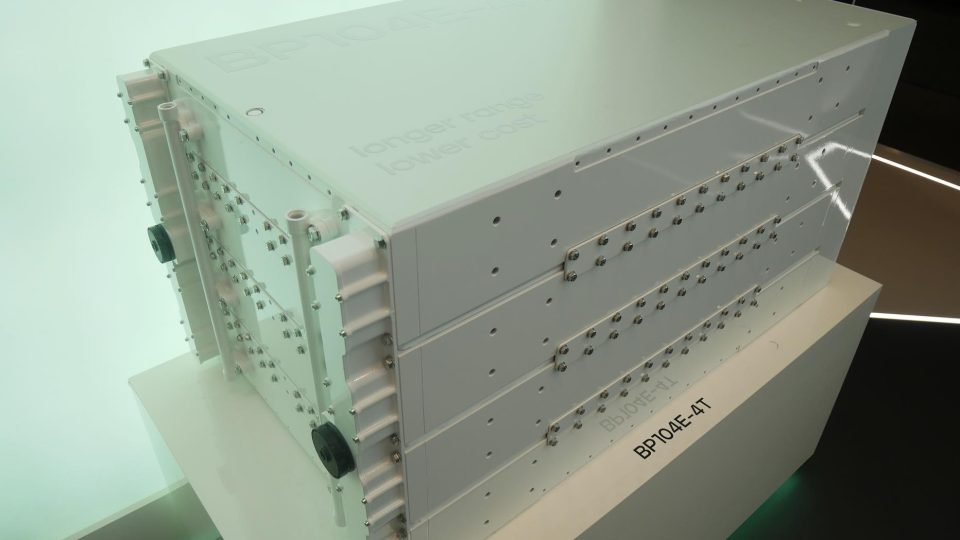
The critical node lies in converting stored energy into usable energy. The starting platform is a battery with high discharge capability — 2C or 3C. NMC chemistry, which by its nature supports high discharge rates, is applied to FPT battery modules. Available in 37, 69 and 80 kWh configurations, up to ten units can be combined, delivering scalable output ranging from 30 kWh to approximately 1 MWh depending on available space and weight constraints. Mobile charging systems operate at between 0.5 and 0.8 C. At peak capacity, AS Labruna’s BESS units enable around ten charges for vehicles drawing between 200 and 400 kW. To put this in concrete terms: a 100 kWh application can be recharged in under ten minutes — enough for half a day’s range. In other words, the time it takes to dock at a pier, grab a coffee, or take a business call is more than sufficient.
Software integration and remote monitoring enable full data digitalisation. A further step involves customising the mechanical structure — racks, containers — and harmonizing these with the software layer. A 3.5-tonne van, requiring only a standard category drive licence, can carry up to 50 kWh, while containerised modules in 10- to 20-foot configurations require a truck. For backup power, generators can be fuelled with HVO.
The Next Frontier: Electrifying the Territory
A closing thought from Massimo Labruna, which could be summed up in a single line: “We have electrified the machines — now we need to electrify the territory.”
“In parallel, we are developing hydrogen production plants, which represent the ideal vector for storing electrical energy. This is a forward-looking perspective. Hydrogen can be stored more effectively. By pairing an electrolyser and a fuel cell on site, it becomes possible to recharge the power bank with sufficient capacity to supply entire fleets.“