Ricardo and Isotta Fraschini Motori Ride the Wave
The first firing of a 100% hydrogen powered Single-Cylinder Engine for maritime transportation has been developed in collaboration between Ricardo and Isotta Fraschini Motori (a FINCANTIERI Company)
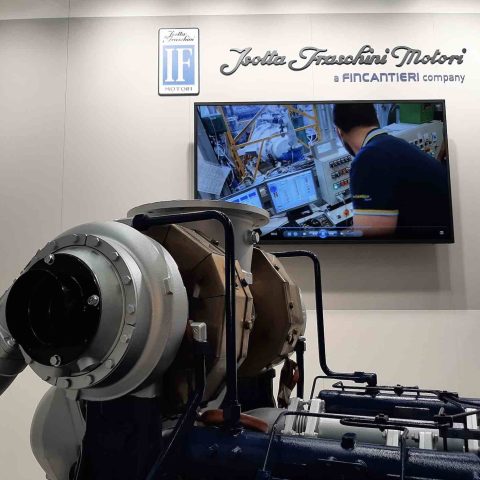
Isotta Fraschini Motori and Ricardo have a well-established relationship behind them. Among the most ambitious projects involving the British engineering company and the engine division of the Fincantieri Group is one that sits at the top of the IFuture project, focused on promoting hydrogen as a zero- or low-emission fuel for maritime transport.
According to Ricardo
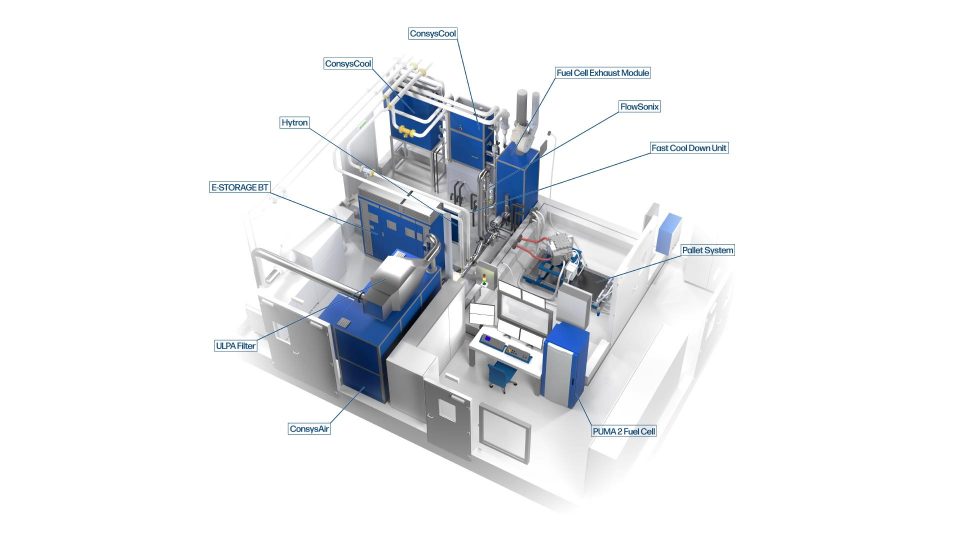
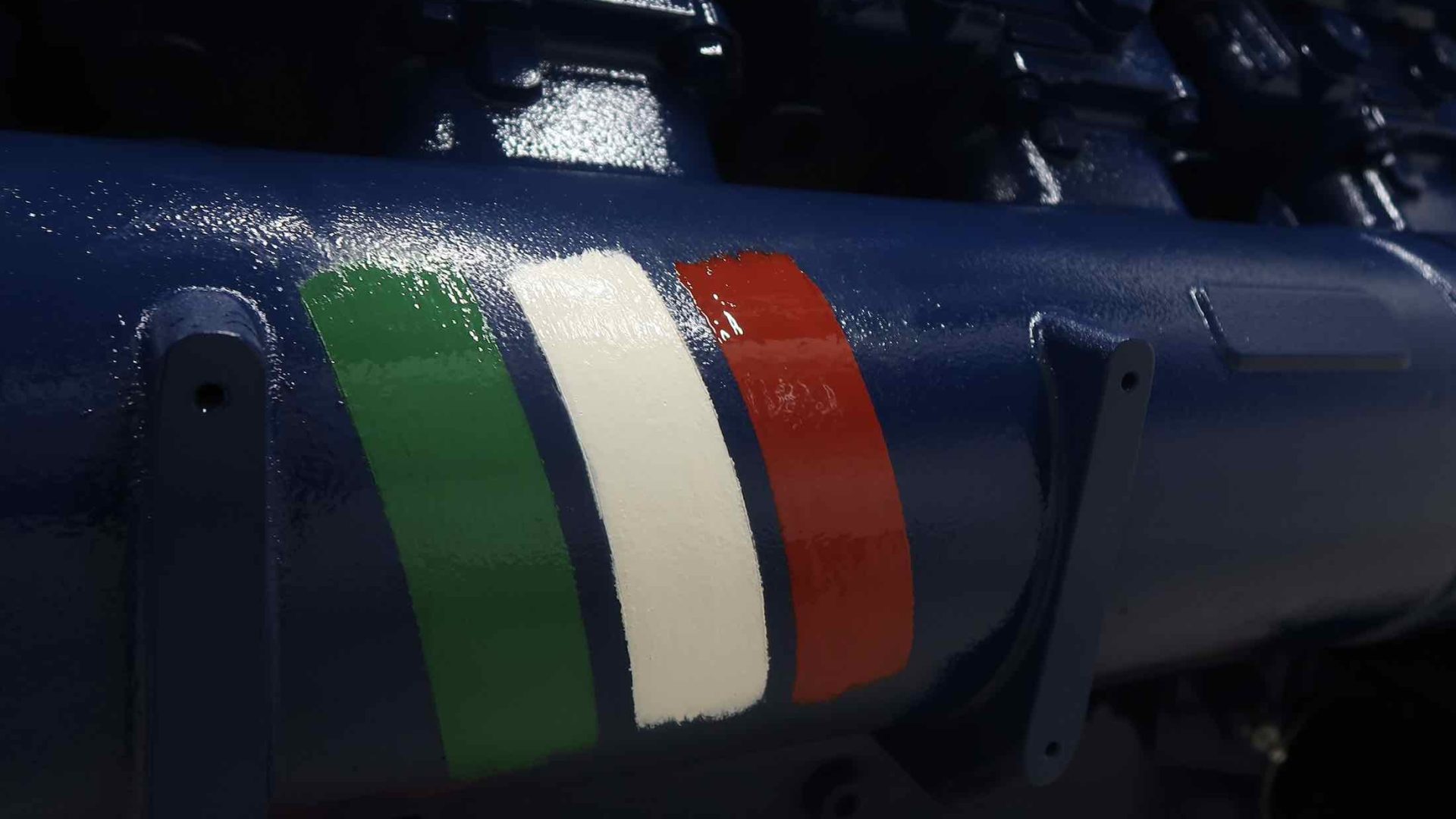
A key milestone has been reached in the journey toward decarbonized maritime transportation with the 𝗳𝗶𝗿𝘀𝘁 𝗳𝗶𝗿𝗶𝗻𝗴 𝗼𝗳 𝗮 𝟭𝟬𝟬% 𝗵𝘆𝗱𝗿𝗼𝗴𝗲𝗻 𝗽𝗼𝘄𝗲𝗿𝗲𝗱 𝗦𝗶𝗻𝗴𝗹𝗲-𝗖𝘆𝗹𝗶𝗻𝗱𝗲𝗿 𝗘𝗻𝗴𝗶𝗻e, built, installed and commissioned at Ricardo’s Shoreham-by-Sea headquarter.
Developed in collaboration between Ricardo and Isotta Fraschini Motori (a FINCANTIERI Company)., as part of the Wave2theFuture (𝗜𝗣𝗖𝗘𝗜 𝗛𝘆𝗱𝗿𝗼𝗴𝗲𝗻) project, this milestone marks a significant step forward in the development of next-generation propulsion solutions for the marine industry and confirms the potential of hydrogen as a viable pathway to reduce emissions supporting the transition toward cleaner and more sustainable navigation.
Together, Ricardo and Isotta Fraschini Motori will continue to optimize the hardware architecture and to further improve combustion performances during the ongoing 𝗦𝗶𝗻𝗴𝗹𝗲-𝗖𝘆𝗹𝗶𝗻𝗱𝗲𝗿 𝗘𝗻𝗴𝗶𝗻𝗲 testing at Ricardo’s hydrogen facility, with the insights gained supporting the next phase of the project: 𝗠𝘂𝗹𝘁𝗶-𝗖𝘆𝗹𝗶𝗻𝗱𝗲𝗿 𝗘𝗻𝗴𝗶𝗻𝗲 𝘁𝗲𝘀𝘁𝗶𝗻𝗴, bringing hydrogen-powered marine propulsion closer to industrial application.
The activities conducted were developed within the Fincantieri project “Wave 2 the Future” (W2F), funded by the European Union – NextGenerationEU.
About Wave 2
Fincantieri Group’s Wave 2 the Future project aims to enable the use of hydrogen in the maritime sector. Wave 2 the Future is part of the Important Projects of Common European Interest (IPCEI) on Hydrogen, a European initiative to develop strategic supply chain ecosystems. The IPCEI Hydrogen Hy2Tech aims to promote innovation and environmental transition by making available green hydrogen and the technologies needed to harness its decarbonization potential.