Cylib for sodium-ion battery
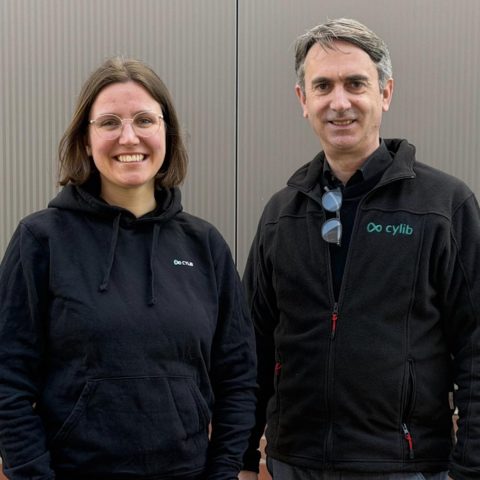
In the picture Lisa Pillar, Project Lead cylib and Till Gerlach, Head of Research & Development at Cylib. The company joins 25-partner German consortium SIB:DE, to develop Europe's first industrial sodium-ion battery recycling process
There is a great deal of talk about sodium batteries, which promise greater stability and freedom from the constraints of lithium batteries, in terms of the concentration of resources in the hands of a few major players. This is the contribution from Cylib. The German company is joining 25 leading German manufacturers and research institutes to develop Europe’s first industrial recycling process for sodium-ion batteries.
BMFTR to Support Cylib
The SIB:DE Entwicklung project, backed by the German Federal Ministry of Research, Technology, and Space (BMFTR), runs from March 2026 to February 2029 with €14.5 million in total funding. Its focus is on producing large-format, market-ready sodium-ion cells and evaluating their recyclability, building Europe’s industrial foundation for next-generation batteries before end-of-life volumes exist at scale. cylib leads the consortium’s recycling efforts, together with the Technical University of Braunschweig. On cylib’s side, Till Gerlach (Head of R&D) and Lisa Pillar (Project Lead) are heading up the work.
For cylib, this project reflects a core principle: build recycling infrastructure before end-of-life batteries reach scale. The company has already proven this approach with lithium-ion batteries, raising over €140 million in equity and grants and beginning construction preparations at its first industrial facility at CHEMPARK Dormagen, which will be capable of processing up to 60,000 metric tons per year (equivalent to 140,000 electric vehicle batteries). Sodium-ion is the next step in that same logic. As the technology moves toward European markets, cylib is developing the recycling technology now, ensuring circularity is built into sodium-ion from the start.
Collecting the Entire Value Chain
“This consortium brings together the entire value chain, from battery producers and automotive OEMs to our recycling expertise. We’re not waiting for end-of-life sodium-ion batteries to accumulate; we’re designing circularity into the technology from the start,” says Lilian Schwich, Co-CEO of cylib.
The 25-partner consortium spans the full industrial chain: battery producers (VARTA, EAS Batteries, UniverCell), electrolyte developers (E-Lyte Innovations), intralogistics (Jungheinrich), machinery manufacturers (GROB-WERKE, Coperion), recycling systems (acp-systems), and lubricants and analytics (FUCHS LUBRICANTS). Eight Fraunhofer Institutes, four leading universities (RWTH Aachen University, the Technical University of Munich, the Technical University of Braunschweig, and KIT), and ZSW provide the scientific backbone. The project is coordinated by EDAG Production Solutions.
Two-track approach
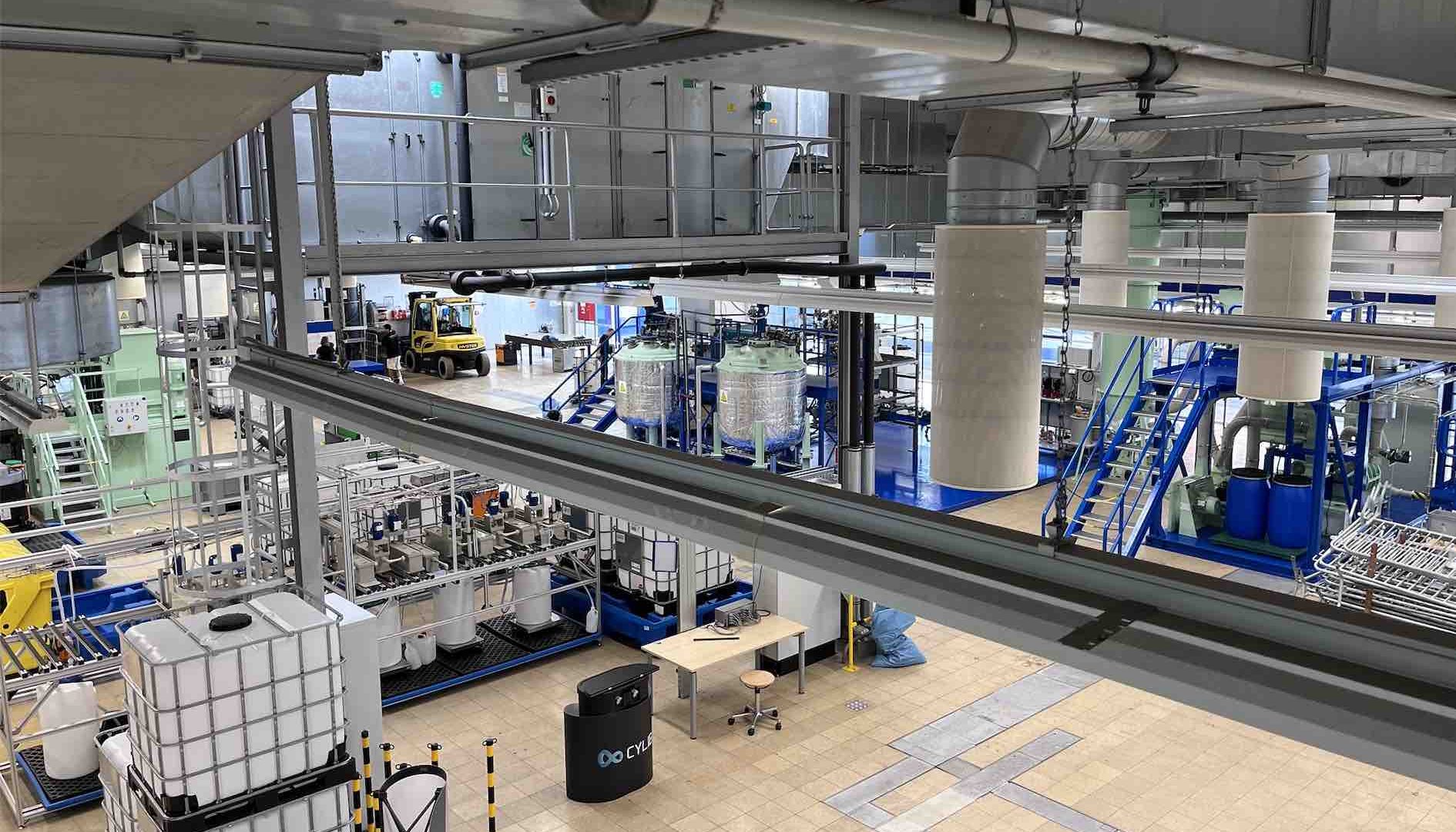
Cylib leads the recycling work package, developing two parallel routes. The first follows conventional mechanical and hydrometallurgical processing. The second, and more innovative route is direct recycling, which returns active materials directly to cell production without full chemical breakdown. For production scrap in particular, this approach could significantly reduce processing costs while maintaining material quality, with a pilot-scale demonstration targeted for early 2029.
“Sodium-ion batteries use abundant raw materials. Yet recycling is what makes the technology truly sustainable and scalable. This project establishes the foundation for a circular European sodium-ion value chain,” says Schwich.