EASAC’s view on energy and electrification
- “There is no security without energy security.” This is how Dr William Gillett, Director of the EASAC Energy Programme, summarises the report ‘Security of Sustainable Energy Supplies’
EASAC stands for European Academies Sciences Advisory Council. It brings together the National Academies of Science of the EU Member States, Norway, Switzerland and the United Kingdom, as well as Academia Europaea (a pan-European Academy) and ALLEA (the federation of all academies in geographical Europe) to provide independent science advice to European policymakers. EASAC was founded in 2001 at the Royal Swedish Academy of Sciences.
EASAC’s view on how to break Europe’s energy dependency
The EASAC recent report emphasises the urgent need to address the growing threats to energy security and explains how this can be done by accelerating the transition to sustainable energy. “The Green Deal, followed by the recent Clean Industrial Deal, are Europe’s best weapons in the fight to protect its sovereignty. Energy produced by wind and solar does not have to be imported,” emphasises Prof. Paula Kivimaa from Finland, Co-Chair of the EASAC working group. “Every investment in sustainable energy is an investment in our security. In contrast, every euro we spend on energy imports is a euro lost from our defence capability.“
Four points to react to the status quo
- Energy efficiency and a circular economy reduce demand, make infrastructure more resilient and increase the availability of raw materials.
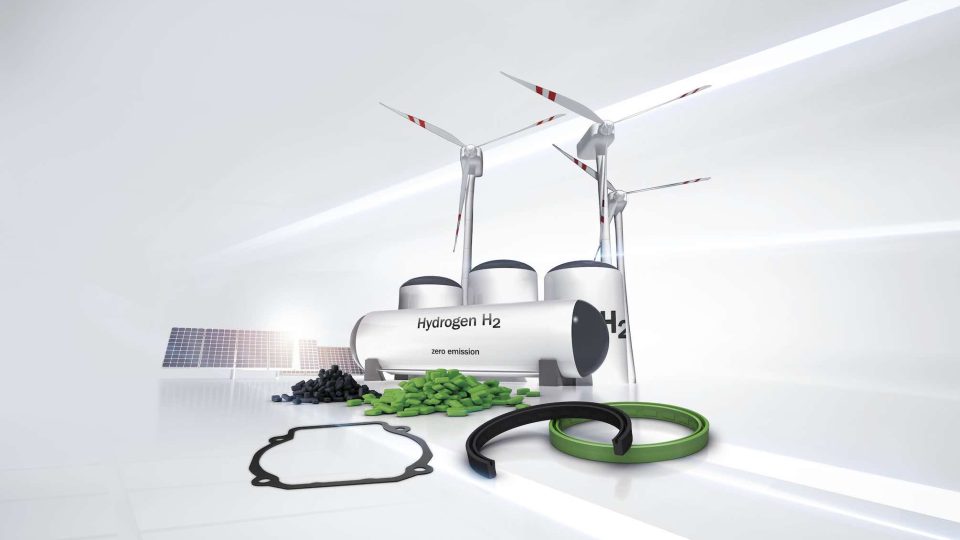
- Moving away from fossil fuels and towards sustainable energy, including renewable hydrogen for industry, reduces dangerous dependencies as well as the costs of climate-related disruption and health.
- Decentralised energy systems strengthen local communities and businesses. They also increase resilience to sabotage and climate impact.
- The expansion of European production of key sustainable energy technologies and systems – such as solar cells, wind turbines and batteries – not only increases security, but also contributes to domestic value creation and stimulates economic growth.
EASAC’s view on energy and electrification
According to EASAC scientists, there is a need for partnerships along the supply chains for key energy technologies and raw materials. The transition away from fossil fuels will lead to massive increases in the electrification of buildings, industry and transport, and this will inevitably require major increases in renewable energy supplies, and in the deployment of electrical end-use technologies. Europe must therefore secure reliable supplies of critical raw materials including lithium, cobalt and the rare earths that are used in the manufacture of these technologies. Equally important are investments in electricity infrastructure and grid flexibility, through storage, interconnectors and demand response with time dependent tariffs. Coupling between the electricity and heating sectors, together with market integration, will help to reduce the overall investment costs of the energy transition as well as the costs and security of future energy supplies.
Prof Claire Dupont, Co-Chair of the EASAC Working Group, demands: “We need to move away from focussing on fuel imports and think more holistically about the energy system. This requires not only technology and raw materials, but very importantly also acceptance by citizens and communities. They must be engaged, and they must benefit economically, much more in the future.“