Inside Man Battery Facility in Nuremberg
Ahead of IAA Transportation 2026, MAN opened the doors of its Nuremberg production site, where traditional diesel engine manufacturing now operates alongside a state-of-the-art battery assembly plant. The visit offered a clear picture of the company's dual-track strategy as it prepares for the next phase of electrification
While the IAA is a key event for any heavy-duty vehicle manufacturer, for German manufacturers it is truly a pivotal moment. MAN is no exception in this regard: during the traditional pre-IAA press conference, held in July between Munich and Nuremberg, the message came across very clearly. It must be said, however, that not everything was revealed at that event, given the company’s decision to keep a major new development under wraps until the trade show – one we’ll see right there in Hanover. Nonetheless, there was no shortage of topics on the agenda: in addition to discussing MAN Truck & Bus’s development plans with engineers and managers, we were able – for the first time – to see with our own eyes the battery assembly plant that MAN has set up in recent years in Nuremberg. The same site houses – in a romantic convergence of the distant past and the near future – the production lines that manufacture internal combustion engines not only for MAN trucks but also for some of those made by its Swedish cousin, Scania (both brands, for those who don’t know, are part of the TRATON Group).
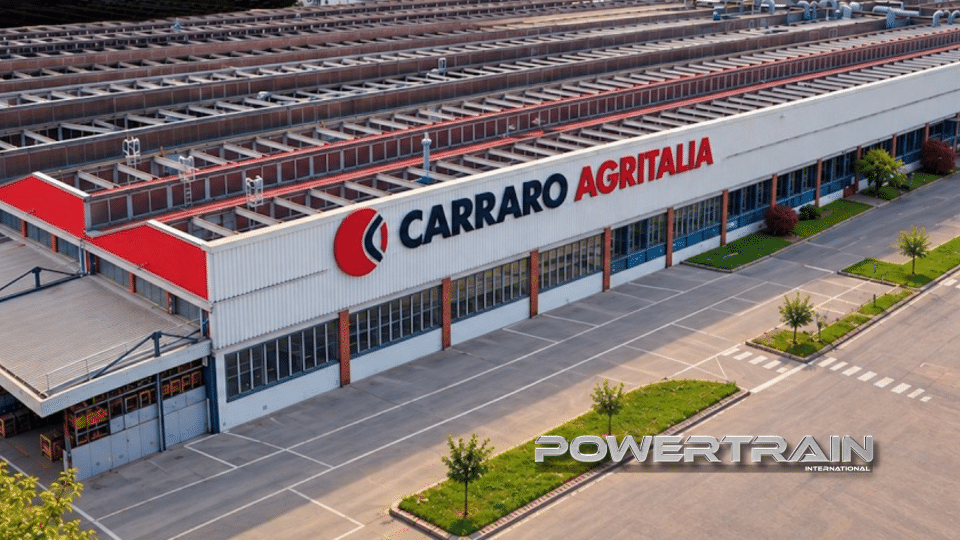
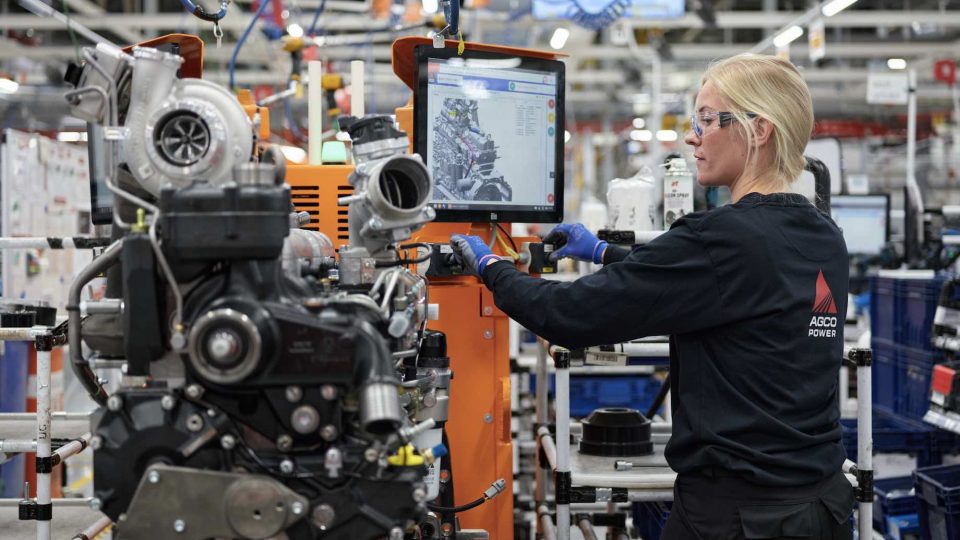
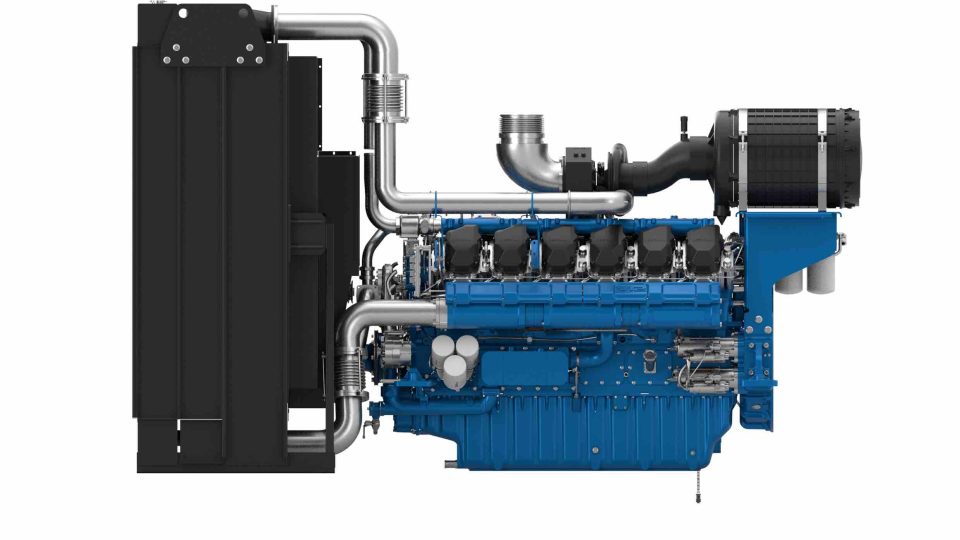
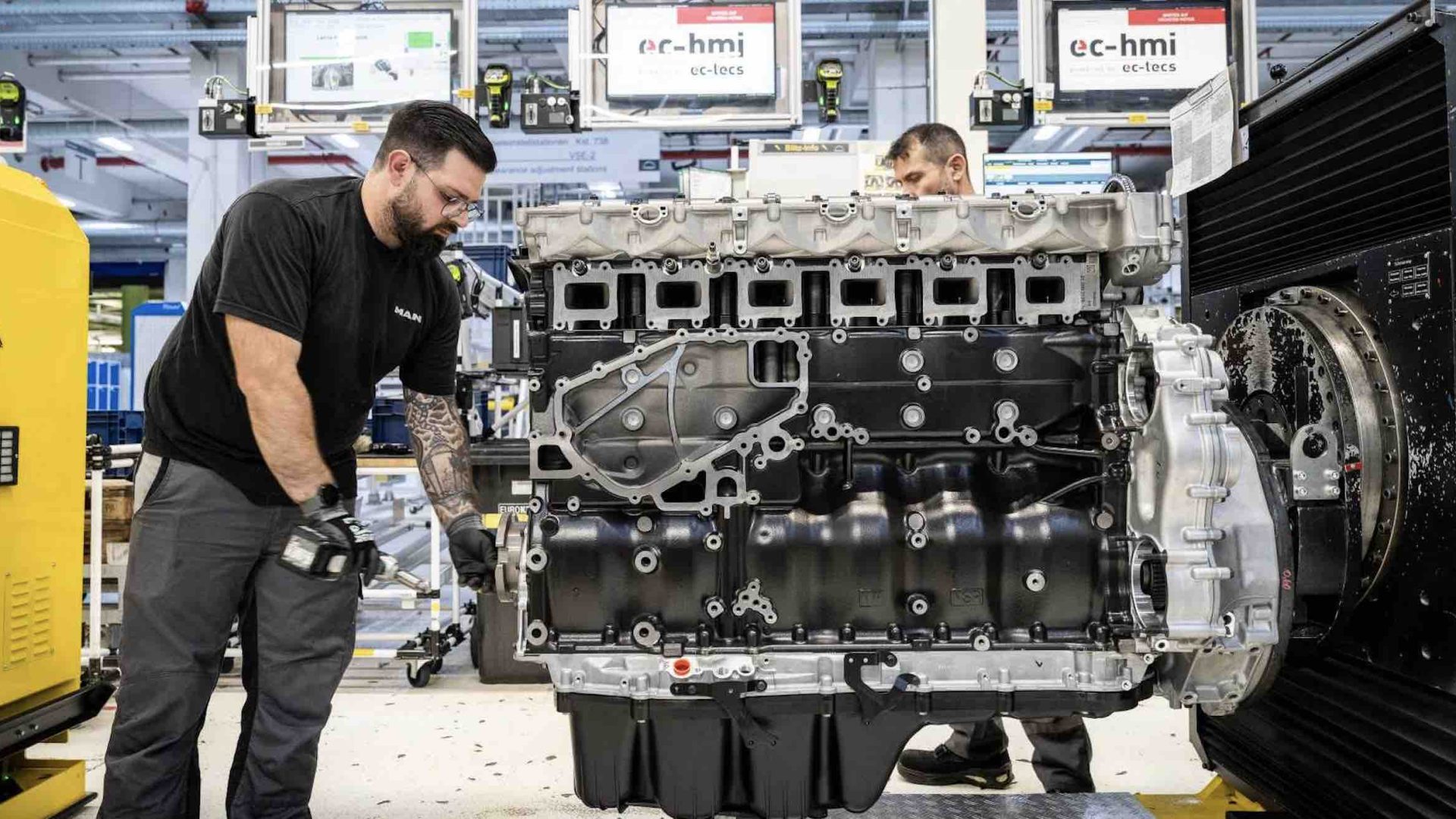
The production facility, spanning over 350,000 square meters, currently employs approximately 3,300 workers who, in the internal combustion engine production division, work in three shifts and assemble not only MAN engines – including the aforementioned D30 – but also some of the models used in Scania trucks, in accordance with a philosophy based on the integration of brands belonging to the same group. It’s no coincidence that the historic foundry that supplied the engine block was closed a few years ago, and now the parts are sourced directly from Sweden. The Nuremberg plant dedicated to the assembly of internal combustion engines is capable of producing between 60,000 and 70,000 engines per year on a production line that includes 95 assembly stations with varying levels of automation (though we saw quite a few robots in operation in Nuremberg).
MAN in Nuremberg: Battery and Engine production in the same site
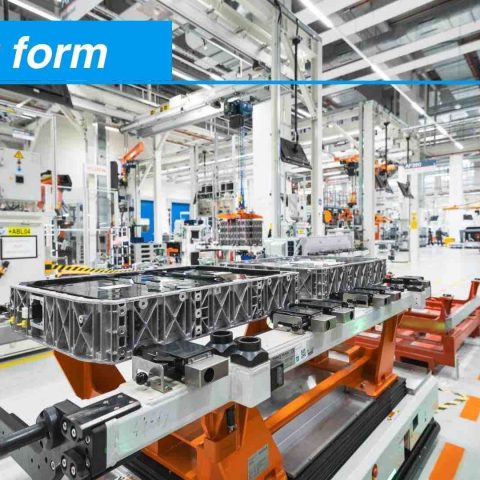
However, the most recently constructed building on the production site is the M50, which is dedicated to the assembly of batteries for MAN electric trucks and buses. The facility began production in 2023 and reached full capacity in the spring of this year, with a current capacity of approximately 50,000 battery packs – a figure that could potentially double if market demand warrants it. What we saw with our own eyes in Nuremberg is a state-of-the-art facility where intralogistics is entirely handled by AGV mobile robots: there are currently 45 of them in the battery factory alone.
Cells and modules come from the German factory owned by CATL, and are assembled into three types of battery packs: one for buses and two for trucks (ranging from the eTGL to the eTGX, including intermediate models). The various assembly stations, which are even more automated than those in the motor production plant, do not follow a linear layout but rather a modular one, specifically to enable the production of different types of battery packs, all with a capacity of 80 kilowatt-hours. The layers positioned between one module and another and the BMS – that is, the in-house developed battery management system – are among the crowning achievements of this highly innovative factory, on which MAN is placing great emphasis as it looks toward the future.
Investing for growth: Friedrich Baumann speaking
“MAN is investing in the future,” said Friedrich Baumann, Head of Sales & Customer Solutions and a member of the Board of MAN Truck & Bus, without mincing words. In short, the 300-million-euro investment in the Europe-wide service and support network has been confirmed, “with a particular focus on the DACH region – that is, Germany, Austria, and Switzerland,” Baumann said. He also announced a massive investment plan for production, with the allocation of 1.2 billion euros to expand the Polish plant in Krakow, which will become the second production hub for electric trucks, after Munich. “At the moment, our electric portfolio can cover about 70 percent of the applications typically associated with diesel vehicles: the electric TGM unveiled internationally last May at Transpotec allowed us to refine the lineup and marked an important milestone in our journey,” Baumann added, pleased with the reception MAN electric trucks are receiving across Europe, with the expected differences between various markets, of course.