Rolls-Royce switched to HVO for engine tests
Rolls-Royce operating key mtu engine test benches in Germany using HVO instead of fossil diesel. CO2 emissions reduced by 3,200 tonnes by end 2025. HVO burns cleaner: over 40% less soot, up to 8% fewer nitrogen oxides. mtu engines already power trains, mining machinery, ships and energy systems using sustainable fuel
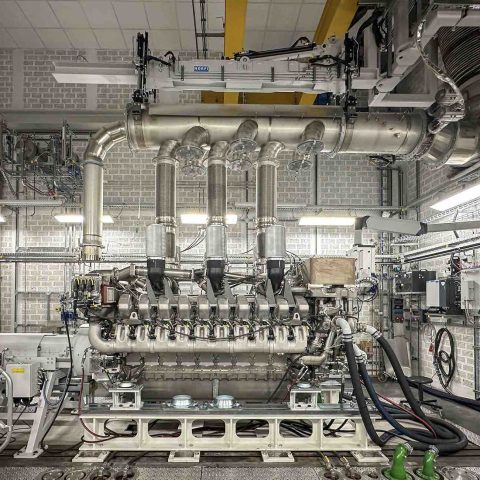
Rolls-Royce is continuing its drive towards becoming a lower carbon business with engine tests for its mtu diesel engines in Friedrichshafen, Augsburg and Ruhstorf in Germany now carried out on HVO.
The switch began with initial test runs in September 2024, with further facilities switching over the following year until, finally, the key diesel engines of the mtu Series 4000 for ships, trains and energy systems were all being tested with HVO in Germany. In Friedrichshafen, this reduced CO2 emissions from testing facilities – called test benches – by around 25 per cent in 2025, compared to operation with fossil diesel.
The meaning of HVO for Rolls-Royce Power Systems
“Decarbonising our operations is a clear corporate priority for us. Through our solutions, we are also supporting our customers’ sustainability goals,” said Nicholas Templin, Executive Vice President of Production, Logistics and Quality Management at Rolls-Royce Power Systems. “The switch to HVO is an important step towards even more sustainable manufacturing of our products. Our experience has been entirely positive: using HVO makes the production of our products even more sustainable and has proven its worth in operational use.” In 2025, the average price difference between HVO and B7 diesel was around ten cents per litre.
Rolls-Royce has been testing and approving its key mtu engine series for HVO and other sustainable fuels compliant with DIN EN 15940, since 2021. The major advantage is that HVO can replace fossil diesel without the need for technical modifications to the engines.
In addition to reducing CO2 emissions, HVO offers further environmental benefits. The fuel burns more cleanly, reducing particulate emissions by 40 per cent or more and nitrogen oxide emissions by up to eight per cent. Depending on the production process and raw materials used, CO2 emissions over the entire lifecycle can be reduced by up to 90 per cent compared to fossil diesel. As HVO is produced from renewable raw materials and, in part, from waste, the greenhouse gases emitted across production, transport and use amount to no more than those previously sequestered during the growth of the biomass.
Numerous Rolls-Royce Power Systems customers are already successfully using HVO with mtu engines – including in trains, ships, mining machinery, data centres and energy systems. Deutsche Bahn has been using sustainable fuel in its vehicles since 2022, thereby reducing its carbon footprint. Data centres, such as the Eco Datacenter in Sweden, also run their emergency generators on HVO. The mining group Rio Tinto now operates its dump trucks in large mines in California and Australia using sustainable fuel.