Vianode and Fortum Battery Recycling
Vianode and Fortum Battery Recycling join forces to advance sustainable EV battery recycling value chain
Vianode and Fortum Battery cooperate on the battery recycling value chain. While second-life applications offer partial relief, a potentially complete solution could lie in closing the loop of the battery value chain. In this context, Vianode and Fortum Battery Recycling, a specialist in extracting valuable metals from end-of-life electric vehicle batteries, have signed a Memorandum of Understanding to push sustainable recycling one step further.
Battery recycling found a home in Scandinavia
The agreement marks the beginning of a strategic collaboration to secure high-quality recycled graphite concentrate from Fortum’s hydrometallurgical facility in Harjavalta, Finland. The two companies will jointly work on developing and refining recycled graphite for use in Vianode’s commercial-scale anode production, aiming to enhance both the performance and sustainability of next-generation battery components. Graphite anode material represents the largest component of lithium-ion batteries by weight, typically around 70 kilograms per EV.
Goin deeper on the deal between Vainode and Fortum Battery
“Recycling graphite from end-of-life batteries is vital to reduce dependence on virgin raw materials, lower carbon emissions, and build sustainable supply chains. Access to recycled graphite concentrate with potential to scale volumes over time will support Vianode’s ambition to deliver high-quality anode materials with an industry-leading CO₂ footprint below 1 kilogram CO₂e per kilogram of graphite by 2030”, says Stefan Bergold, Chief Commercial Officer of Vianode.
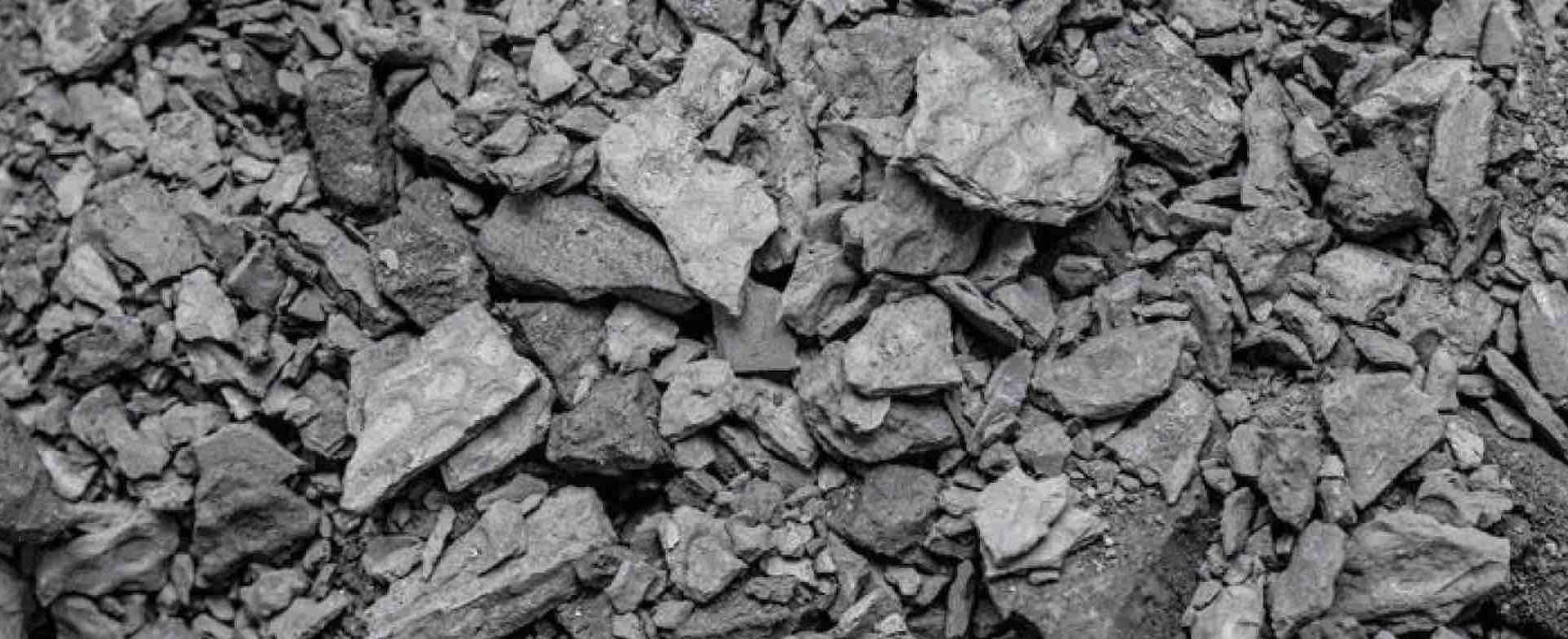
“Fortum Battery Recycling and Vianode have a shared commitment to a more sustainable and less resource-intensive EV battery industry. By recovering valuable and critical graphite from used batteries and returning it to the cycle as battery-grade material, we help enable the production of new lithium-ion batteries with a significantly lower environmental footprint,” says Tero Holländer, Head of Business Line, Batteries, Fortum Recycling & Waste.
Vianode recently launched its first high-performance anode material made from recycled battery-grade graphite as part of the company’s strategy of creating the world’s most sustainable anode graphite and enable a truly circular North American and European battery value chain.
Towards 2030, Europe is expected to see a significant increase in battery recycling as the first generation of EVs reaches the end of their life and new EU legislation requires higher recovery rates and the use of recycled materials in new batteries.