Wärtsilä Gas Solutions and Höegh Evi celebrate the first floating ammonia-to-hydrogen cracker
Wärtsilä Gas Solutions, Höegh Evi and partners complete development of world’s first floating ammonia-to-hydrogen cracker
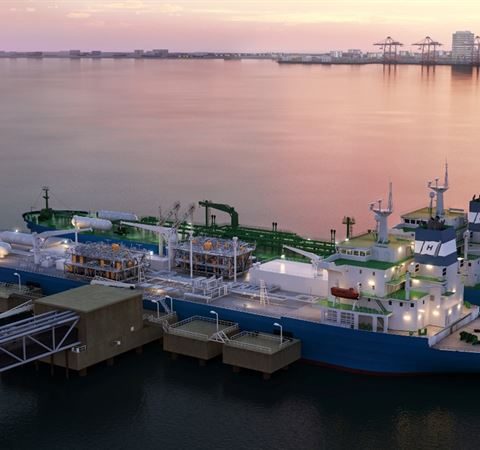
Wärtsilä Gas Solutions and Höegh Evi, a player in marine energy infrastructure, have completed development of the world’s first floating ammonia-to-hydrogen cracker. When it arrives at the receiving destination, the ammonia cracker will convert the ammonia back to hydrogen for distribution into the core energy grid.
Wärtsilä Gas Solutions accomplished the mission
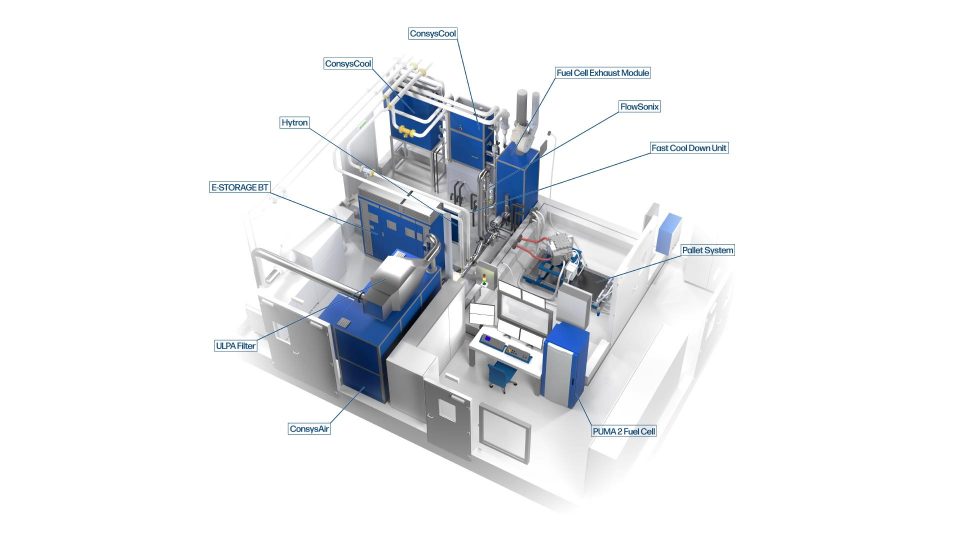
This technology enables floating import terminals to produce hydrogen at industrial-scale volumes from transported ammonia. The project was announced in April 2023 and is part of Norway’s green platform programme. The industrial-scale ammonia cracker has a modular design that allows integration into both hybrid Floating Storage and Regasification Units (FSRUs) and dedicated Floating Hydrogen Terminals. The technology is highly scalable with a sendout capacity of up to 210,000 tonnes of hydrogen annually. Ammonia storage can range from 10,000m³ to 120,000m³.
Listening for the two Scandinavian actors involved in this achievement
“The floating ammonia-to-hydrogen cracker developed by Höegh Evi, Wärtsilä Gas Solutions and partners is a game-changer for the hydrogen economy and the energy transition in Europe. Our floating terminals and cracking technology can unlock the full potential of global value chains for green hydrogen, providing European industry with a reliable supply of clean energy within this decade,” said Erik Nyheim, CEO of Höegh Evi.
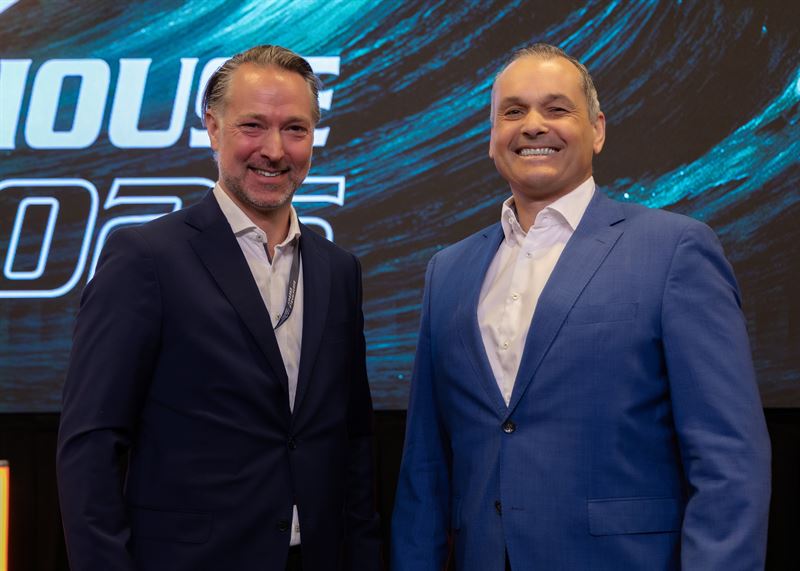
“This pioneering development of the floating ammonia-to-hydrogen cracker represents a significant leap forward in our quest for sustainable energy solutions. Together with Höegh Evi and our partners, we are not only addressing the challenges of hydrogen storage and transportation but also paving the way for a more resilient and flexible energy infrastructure,” says Kjell Ove Ulstein, Sales & Marketing Director, Wärtsilä Gas Solutions.
Supported by the Norwegian Government
The project has received approximately EUR 5.9 million in funding from the Norwegian Government’s green platform programme, representing approximately 50% of the total budget. The ammonia cracker was constructed at Sustainable Energy’s Norwegian Catapult Center in Stord, Norway. Additional partners in the project include the Institute for Energy Technology (IFE), University of South-East Norway, Sustainable Energy and BASF SE.
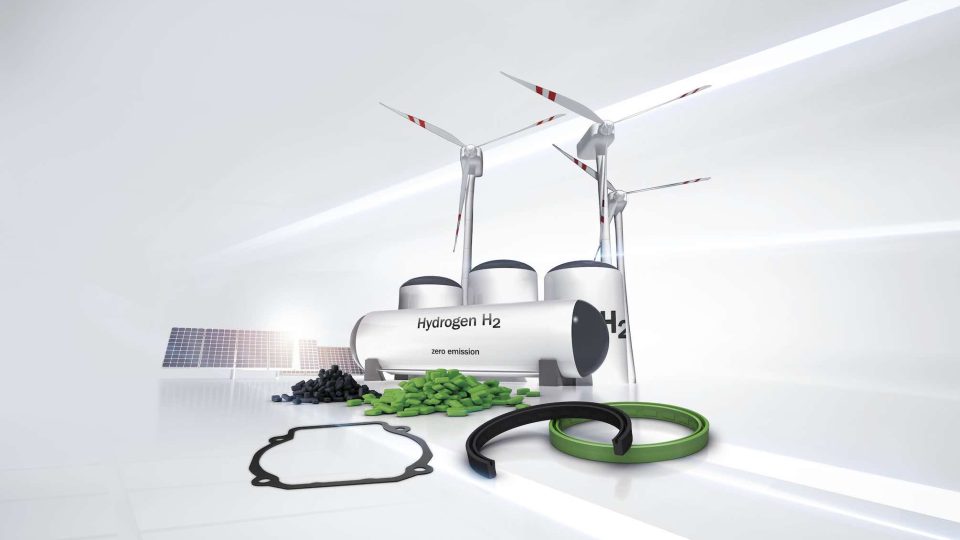
According to the EU’s REPower strategy, Europe plans to import 10 million tonnes of renewable hydrogen per year by 2030. As the development of the hydrogen grid progresses, floating infrastructure with ammonia cracking technology can unlock large-scale imports, supplying hard-to-abate industries with a stable baseload energy source and balance within the energy system.