The state of biodiesel? Eni’s point of view
At Eni it is normal to hear about diesel, not just in its fossil forms. We asked Giuseppe Ricci, Chief Refining & Marketing Officer in how many variations it is possible to imagine the diesel cycle, starting from the reconversion of the Gela (Italy) refinery and much more. Below you can read the first part […]
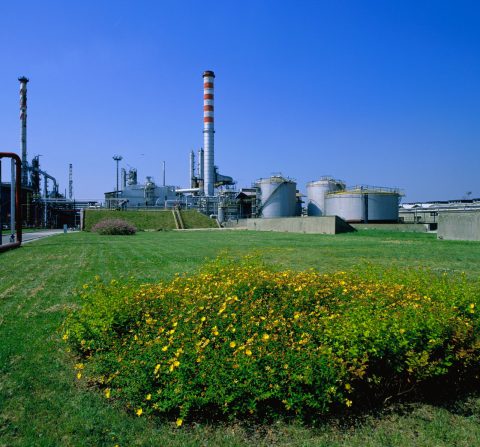
At Eni it is normal to hear about diesel, not just in its fossil forms. We asked Giuseppe Ricci, Chief Refining & Marketing Officer in how many variations it is possible to imagine the diesel cycle, starting from the reconversion of the Gela (Italy) refinery and much more. Below you can read the first part of the interview. The second part will soon be available on Diesel International.

At the Geneva Motor Show the electric was the marketing driver. Even more industrial fairs like the Bauma insist on the plug-in. What is lacking in biodiesel to have the right eco-appeal and provide a substantial contribution to the “bio” context, exploiting the efficiency of the diesel cycle (and hundreds of millions of euros invested, especially in Europe, in R&D)?
The diesel engine still suffers because of the so-called Dieselgate. In reality, the diesel engine is much more efficient than the petrol engine (around 25%). This saves on consumption and therefore on CO2 emissions (tank-to-wheel). If we use biofuels, the CO2 savings estimated over the entire life cycle is very advantageous and comparable with the electric one (obviously if evaluated within an LCA analysis, Life Cycle Assessment).
SPEAKING ABOUT BIO AND ITALY: A LOOK AT THE PROBABLE FUTURE
What are the critical points of the diesel derived from biomass, in terms of viscosity and impurity, wear of the piston crown, of the combustion chamber, of the head in general? Any other contraindications?
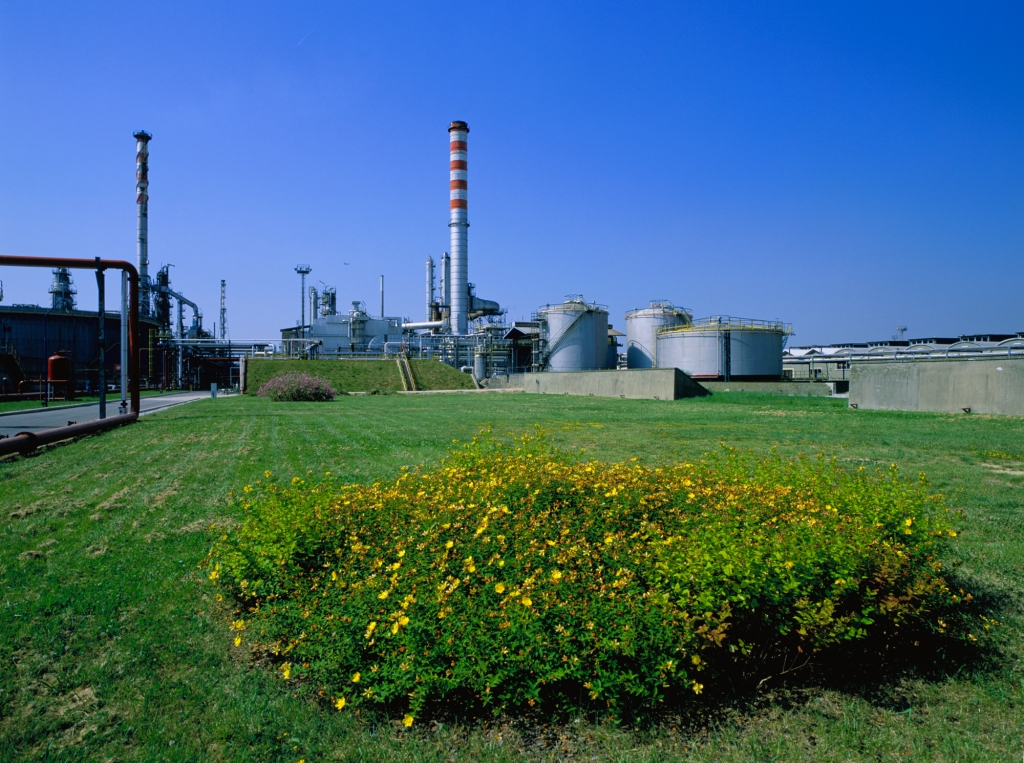
In the case of HVO produced by Eni in the Venice and Gela biorefineries, there are no contraindications. In the case of HVO produced by Eni in the Venice and Gela biorefineries, there are no contraindications. It is composed 100% of paraffins and isoparaffins, it does not contain oxygen, it is not polar and completely hydrophobic. The production process, unlike FAME, generates a product free of impurities, with a high cetane number. It is able to generate a much more controlled combustion (more homogeneous flame front without temperature peaks and therefore reducing particulate formation) and also more efficient (lower CO2 emissions).
Ethanol has found its place in Brazil. Why is it not exportable on a large scale for industrial and road applications?
Ethanol is a component for gasoline and, as we know, Europe has a surplus of this type of fuel. On the contrary, Europe must import diesel from foreign markets. Eni, also considering the market context, developed Ecofining technology in its research laboratories about 10 years ago for the production of vegetable components for diesel which, to date and for the foreseeable future, is the main choice of fuel, especially for heavy traffic.
Ecofining, what is there in addition to palm oil? What raw materials are part of these manufacturing processes? Which is the right direction to defuse the food vs fuel conflict?
The Ecofining process is able to process all types of vegetable oils and animal fats. Even the exhausted ones, with the production of excellent quality diesel. From the R&D point of view, Eni is also developing two technologies to produce second and third generation bio-oil starting from agricultural and forestry waste and CO2 bio-fixation by micro-algae.
Furthermore, an experimental cultivation of castor plants is underway in southern Tunisia. The fruits can contribute to the production of oil not in competition with the food cycle. If the production costs and yields are those expected, it will be possible to proceed to a scale up of the cultivation on surfaces with tens of thousands of hectares. So to have a valid alternative to palm oil that, according to European legislation, can be used until 2030.
HYUNDAI IS FOCUSING ON MILD HYBRID FOR THE AUTOMOTIVE SECTOR