ElectroBus Mania: Global Markets Go All-In on Zero Emissions
According to BloombergNEF, electric buses will account for 60% of the global market by 2030
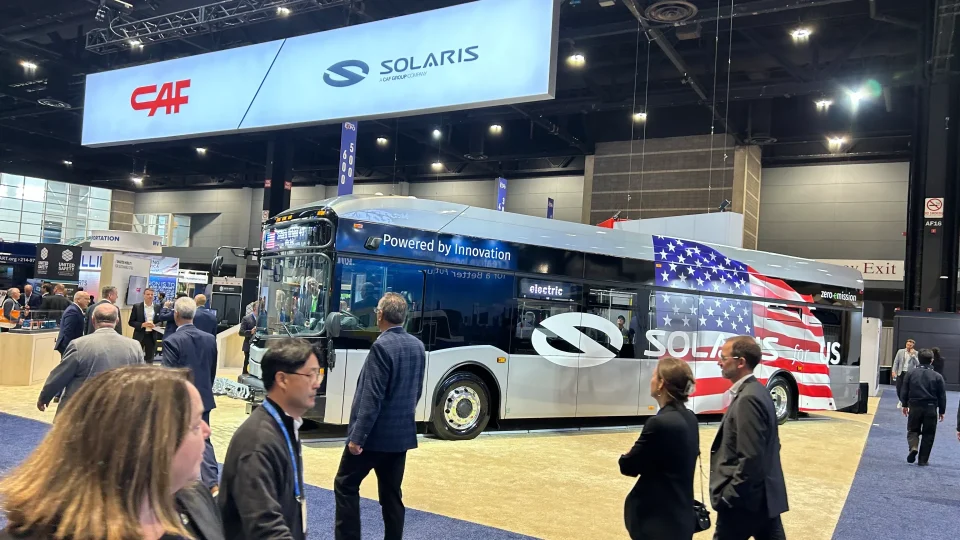
In more than twenty countries around the world, electric buses exceed 50% of new urban registrations, and between now and 2030, e-buses will represent 60% of the global market. This, in a nutshell, is the snapshot taken by BloombergNEF’s Electric Vehicle Outlook 2026.
The report identifies urban buses as the most advanced sector in the electrification of road transport. In several markets, in fact, the adoption rate of electric buses exceeds that of cars, vans, trucks, and battery-powered two-wheelers.
Corroborating the research’s thesis is the 60% share already reached in Europe: in 2025, in fact, zero-emission buses (electric and hydrogen) reached a 60% market share in Class I in the European Union. Commercial vehicles: buses lead the energy transition.
Electric Buses by 20230 According to BloomberNEF
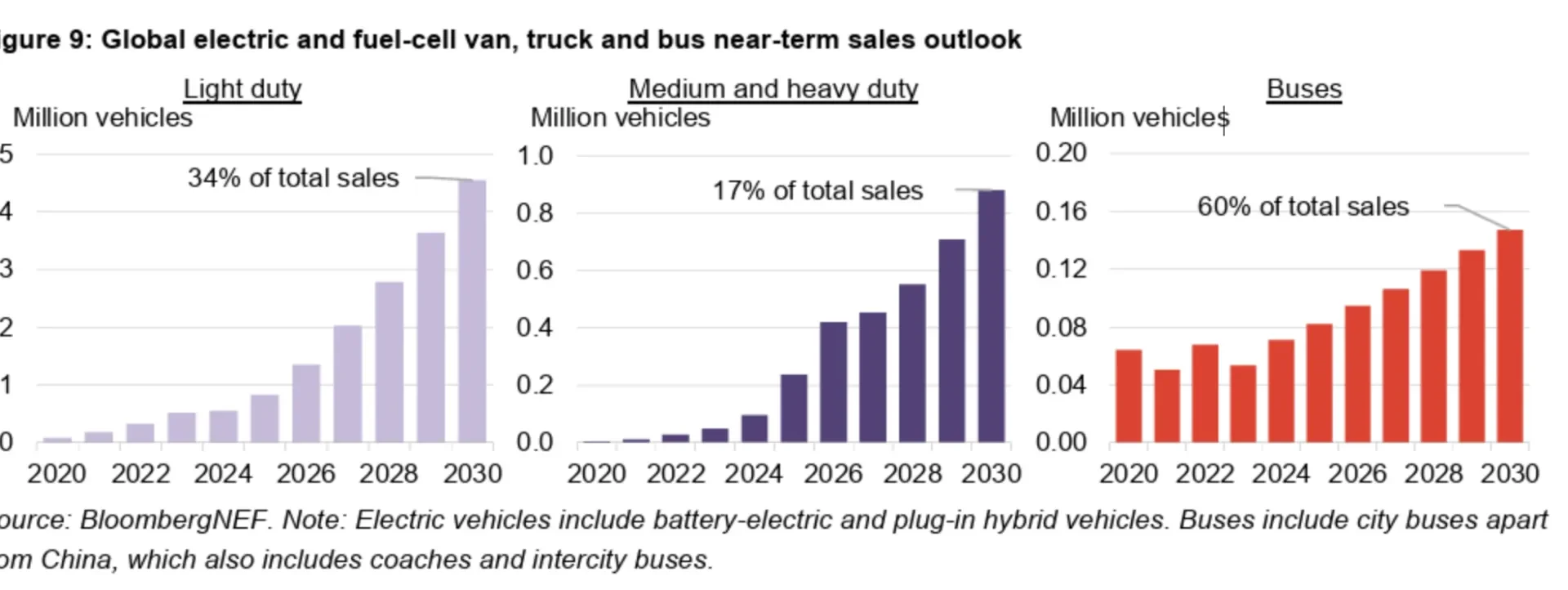
BloombergNEF predicts that electric and hydrogen fuel cell buses (FCEV) will account for about 60% of global bus sales by 2030, a share significantly higher than that predicted for medium and heavy trucks (17%) and light commercial vehicles (34%). The short-term forecasts presented in the report show that buses will maintain the highest electrification rate among all categories of commercial vehicles.
Nordic Countries Take the Lead on the Green Route
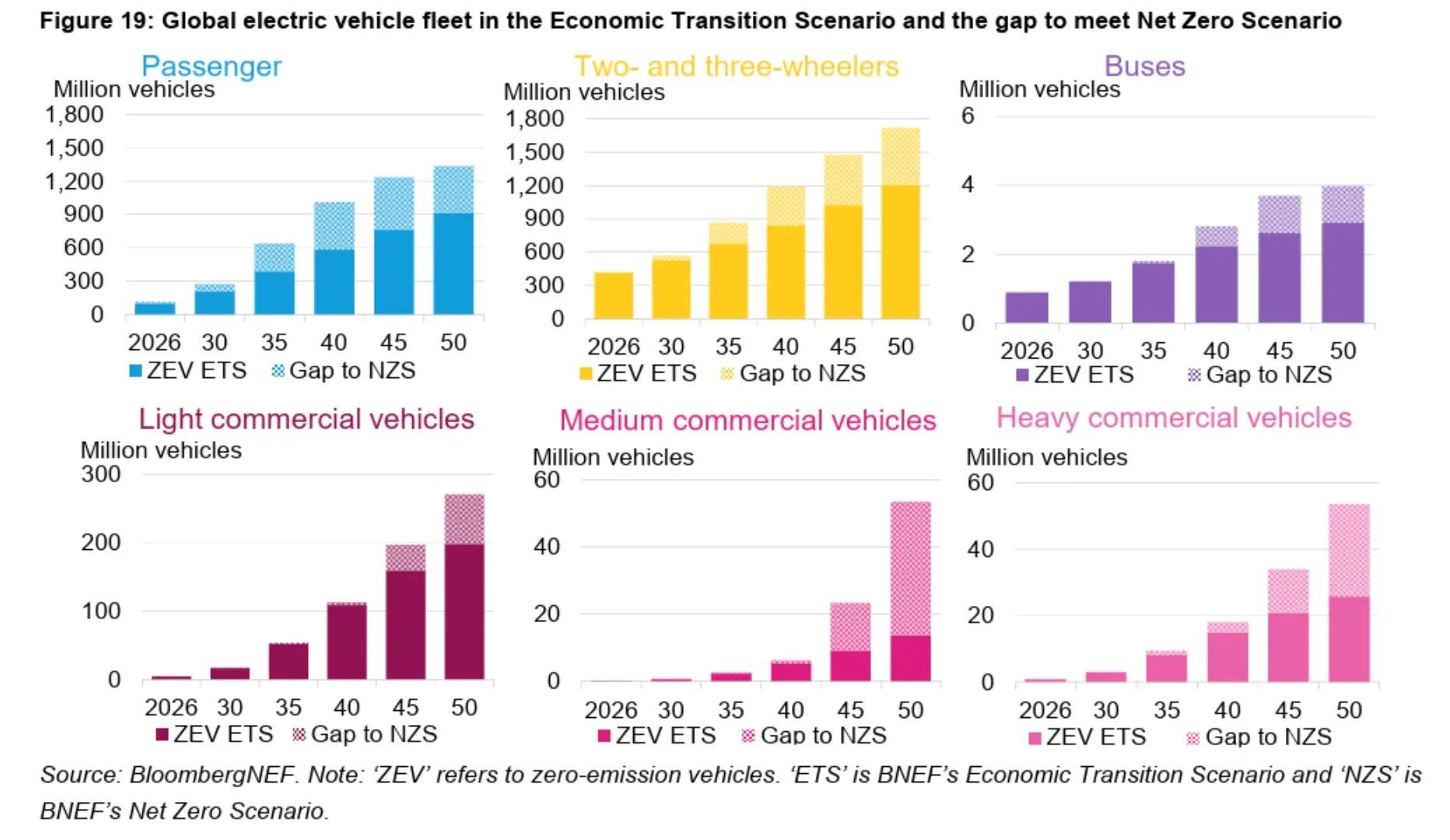
BloombergNEF adds that most markets are on track to reach 100% sales of zero-emission urban buses by 2040, while some areas, including the Nordic countries, could reach this milestone even before the end of the current decade. The long-term outlook illustrated in the report also indicates that, in the scenario called the Economic Transition Scenario, the global fleet of electric buses could reach approximately 4 million vehicles by 2050.
In all of this, China plays a leading role: according to BloombergNEF’s estimates, in fact, the Country of the Dragon will continue to hold the largest share of the global electric bus market in the coming decades.
Why are electric buses growing faster than other commercial vehicles?
Urban buses operate on scheduled routes and regularly return to depots, where they can be easily recharged. This makes their electrification simpler than that of trucks and light commercial vehicles.
What market share will electric buses reach by 2030?
According to BloombergNEF, electric and fuel cell buses will account for about 60% of global bus sales by 2030, confirming their status as the most advanced segment of zero-emission commercial mobility.
How many countries have already exceeded 50% of electric bus sales?
In 2025, over 20 countries recorded an electric bus share higher than 50% of new urban registrations, a sign of an increasingly widespread adoption of zero-emission public transport.
When will urban buses be completely zero-emission?
BloombergNEF estimates that most markets will reach 100% sales of zero-emission urban buses by 2040, while some Nordic countries could achieve this goal as early as the end of the decade.