Rolls-Royce Achieved Methanol Certificate and a Super-Efficient SCR for Marine Engines
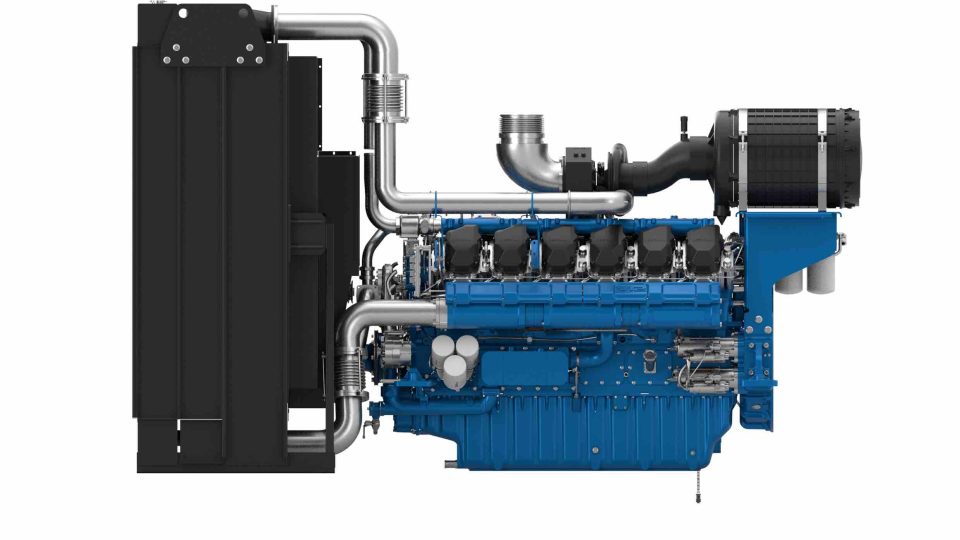
Rolls-Royce has received the Methanol Readiness Certificate from the international classification society DNV for its current mtu Series 4000 engines and launched new exhaust after-treatment systemfor marine propulsion systems
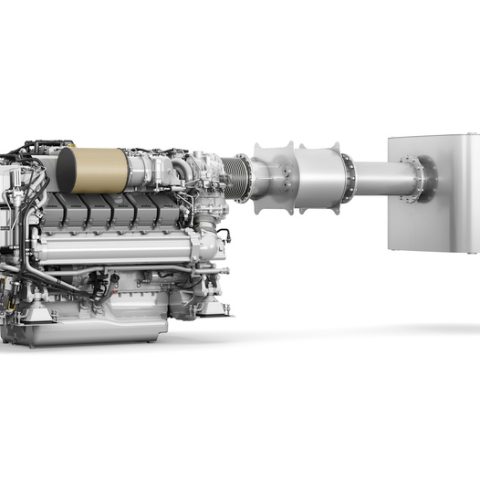
Rolls-Royce launched a new exhaust gas after-treatment solution. It complies with the stringent IMO Tier III emission standards. The new system is being certified in collaboration with exhaust gas after-treatment specialist Eminox for Series 2000 mtu engines. Exhaust gas after-treatment using selective catalytic reduction enables offshore supply vessels, ferries and patrol boats fitted with engines from the mtu Series 2000 to operate in emission-regulated maritime areas. These include, amongst others, the North Sea and the Baltic Sea.
SCR Up To 16,000 Operating Hours
“With this new offering, all models in the mtu Series 2000 are now available with integrated SCR systems. We have already launched a new, flexible and compact solution for the more powerful mtu Series 4000. This enables us to equip our customers with future-proof propulsion systems to meet the challenges of modern shipping,” said Lukas Köhler, Senior Vice President Global Marine & Mining at Rolls-Royce Power Systems.
The new integrated solution offers ship operators several advantages: it is designed for a service life of up to 16,000 operating hours, depending on the load profile. It requires no compressed air for dosing and can be flexibly integrated into various ship designs. The SCR system reduces nitrogen oxide emissions by 75 per cent compared with the IMO II limits.
5,000 hours of methanol engine testing
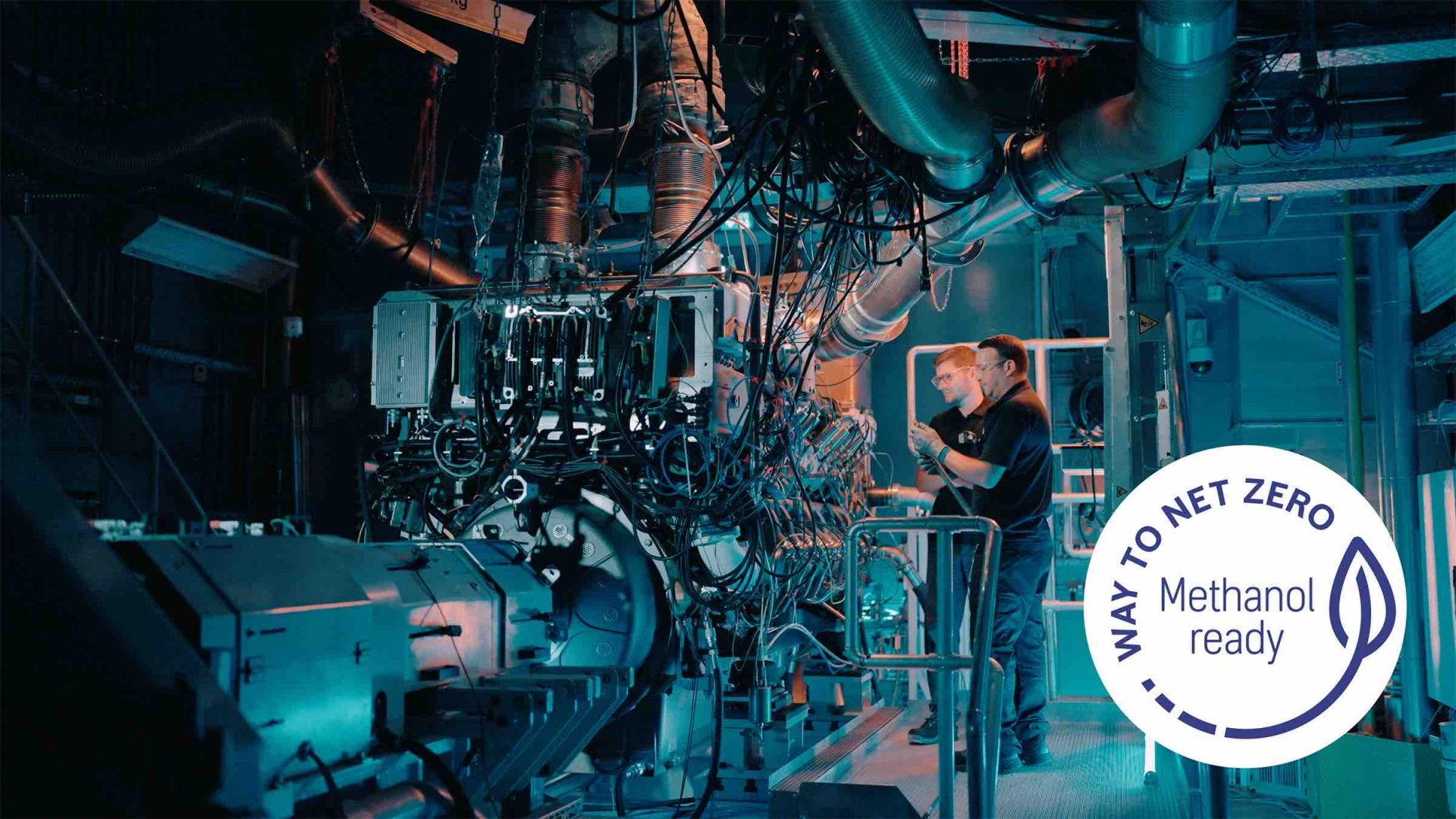
Rolls-Royce has received the Methanol Readiness Certificate from DNV for its current mtu Series 4000 engines. “The uncertain future of CO₂ legislation is driving a growing desire among many ship operators for greater flexibility in terms of propulsion and fuel. With the methanol-ready certificate, we are giving our customers the assurance that they will be able to operate their ships on methanol in future, as soon as the fuel is sufficiently available,” said Lukas Köhler, Senior Vice President Global Marine & Mining at Rolls-Royce Power Systems.
Back in 2025, Rolls-Royce had already successfully tested the world’s first high-speed marine engine powered exclusively by methanol on the test bench in Friedrichshafen in Germany. Since then, Rolls-Royce has completed and analysed more than 5,000 operating hours using methanol in single- and dual-fuel mode on various test benches.
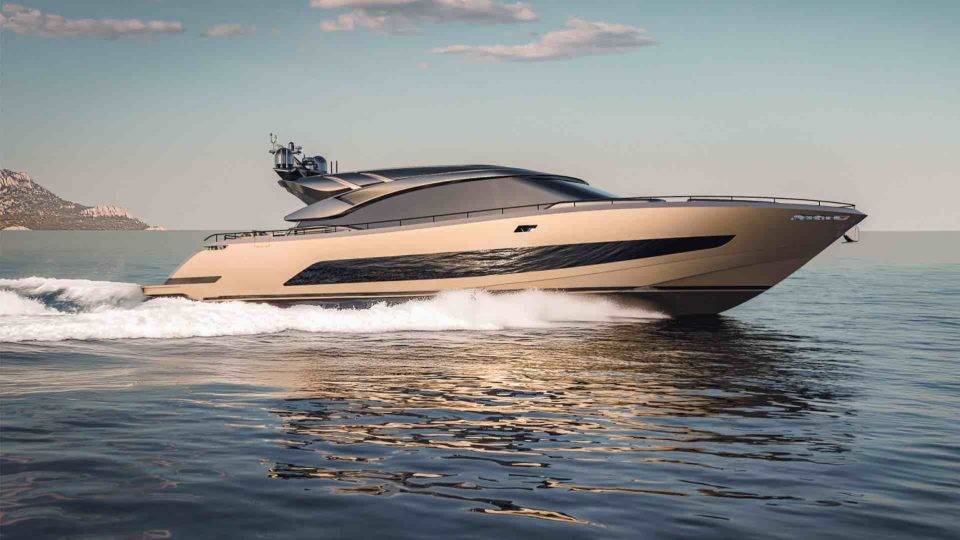
“These extensive findings form a strong foundation for our methanol retrofit concept,” said Lukas Köhler. “We see green methanol as an important future fuel for offshore vessels, ferries and mega yachts. It produces significantly lower emissions than fossil fuels. With this certificate, we have reached another milestone on our methanol roadmap.”
A Huge Portfolio of Alternative Fuels
As early as 2021, Rolls-Royce tested and approved the key mtu engine series for Hydrotreated Vegetable Oil (HVO) and other sustainable fuels in accordance with DIN EN 15940. As part of its partnership with the German e-fuel manufacturer INERATEC, the company also successfully completed laboratory testing of the renewable synthetic fuel MATERA e-Diesel in the spring of this year.