Rolls-Royce and INERATEC. The project is Going On: MATERA e-Diesel
Tobias Ostermaier (right), President of the Stationary Business Unit at Rolls-Royce Power Systems, and Tim Boeltken (left), CEO of INERATEC, spoke about their collaboration at the Rolls-Royce PowerGen Symposium. As part of its strategic partnership with INERATEC, Rolls-Royce Power Systems has completed laboratory testing of selected parameters related to fuel quality and material compatibility
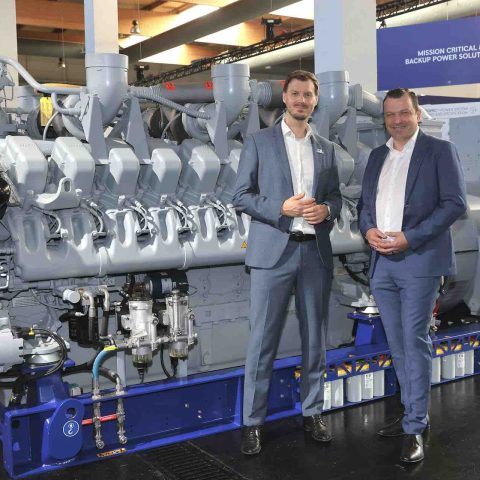
Rolls-Royce Power Systems has completed a laboratory fuel assessment of INERATEC’s synthetic MATERA e-Diesel. The assessment indicates that the tested fuel met selected requirements of EN 15940 and relevant parameters of the mtu Fluids and Lubricants Specification A001061/46.
A Laboratory to Check Every Detail
The laboratory assessment focused on chemical and physical fuel properties, selected material compatibility parameters, lubricity, cetane-related fuel parameters and short-term storage stability. Engine performance, emissions behaviour and application-specific operating requirements were not part of this test scope. Any use in specific engine applications remains subject to the applicable fuel releases, engine series, operating conditions and customer-specific validation requirements. For operators of critical infrastructure, this opens a practical route to CO2-neutral emergency power using their current generator fleets.
Data centers, hospitals, and transport hubs all rely on diesel backup generators to ensure operational continuity. At the same time, growing pressure to meet ESG targets, disruptions in fossil fuel supply chains, and rising electricity demand are making continued dependence on fossil diesel increasingly difficult to justify.
The MATERA e-Diesel Way
MATERA e-Diesel offers a different path: Renewable synthetic diesel can be one pathway to reduce reliance on fossil diesel in selected applications, provided that fuel quality, engine approval and storage are met.
“Fuel transition, not system replacement, is what we are offering. The test results confirm what we set out to demonstrate: The laboratory assessment is an important step in showing how renewable synthetic fuels can be evaluated against established fuel quality requirements,” says Tim Boeltken, CEO at INERATEC. “For critical infrastructure operators, this is a promising pathway to explore lower-fossil backup power solutions while maintaining a strong focus on reliability. Operators of critical infrastructure do not need to choose between reliability and decarbonization.”
“The successful laboratory fuel assessment of INERATEC’s MATERA e-Diesel is an encouraging step in our joint work to evaluate renewable synthetic fuels for safety-critical power generation applications,” says Tobias Ostermaier, President Business Unit Stationary at Rolls-Royce Power Systems.
“For data centers and other critical infrastructure, reliability remains the first priority. That is why we are taking a careful, evidence-based approach: the results provide a valuable technical basis, while any use in specific engine applications remains subject to the applicable fuel releases, operating conditions and further validation.”
Test results
- Standards alignment: MATERA e-Diesel met selected assessed requirements of EN 15940 and relevant parameters of the mtu Fluids and Lubricants Specification A001061/46.
- Material compatibility: In the tested elastomer compatibility parameters, no significant differences were observed compared with the reference fuels assessed.
- Storage stability: The fuel remained stable over a minimum period of three months with respect to neutralization number, oxidation stability, and lubricity under laboratory storage conditions.
- Sulphur content: Sulphur levels were below 5 mg/kg and therefore below the EN 15940 threshold. Exhaust emissions were not assessed as part of this laboratory testing. Energy-related fuel parameter: The net calorific value was measured at approximately 44.0 MJ/kg. Engine power output, fuel consumption and performance characteristics were not assessed in this laboratory testing.
What is the renewable synthetic diesel?
According to U.S. Department of Energy, “Renewable diesel is a hydrocarbon produced most often by hydrotreating and also via gasification, pyrolysis, and other biochemical and thermochemical technologies. It meets ASTM D975 specification for petroleum diesel.
What Does it Mean “EN 15940”?
EN 15940 is the European standard for paraffinic diesel fuels (such as HVO and GTL) produced from synthesis or hydrotreatment.
About INERATEC
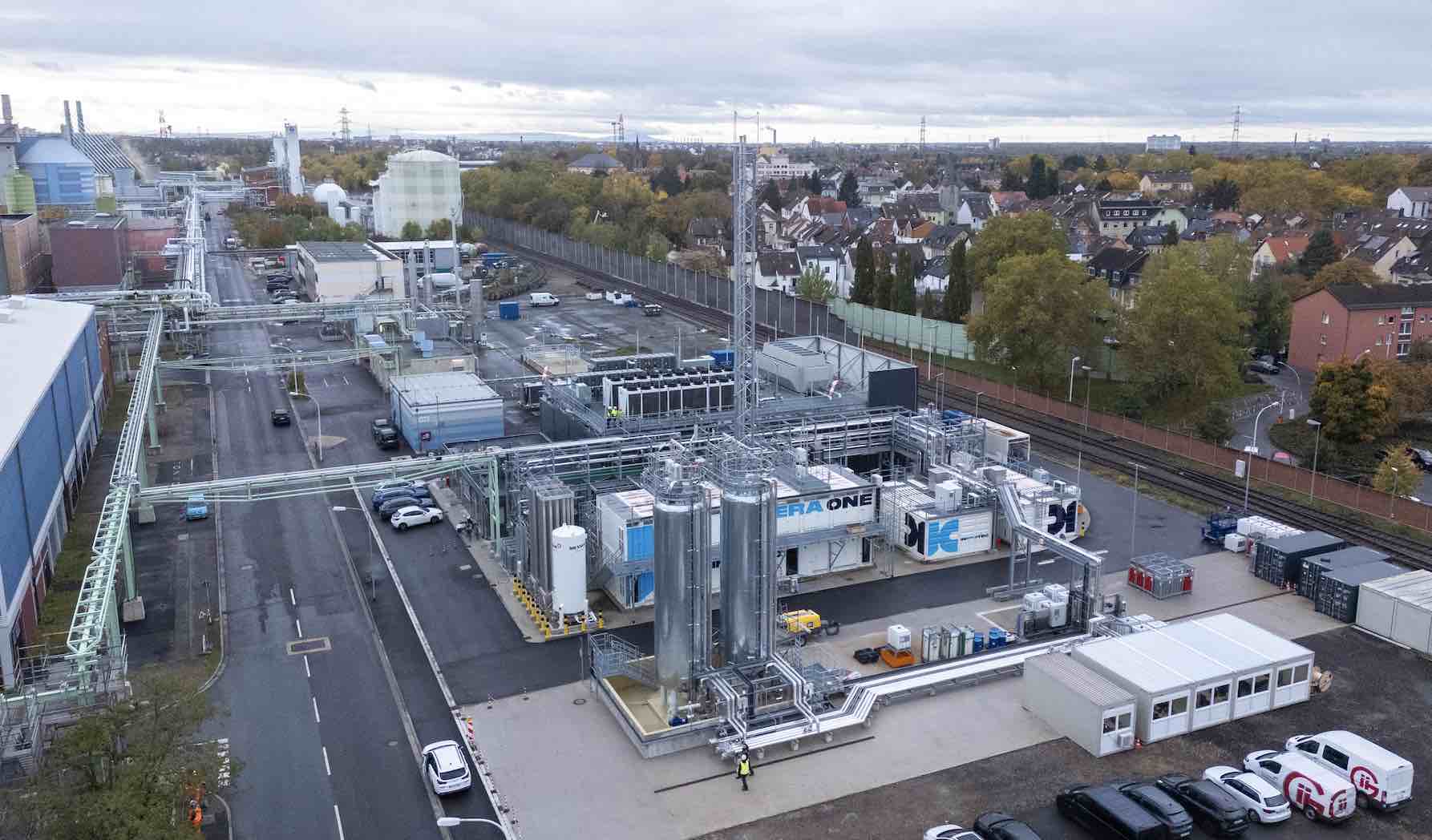
The company produces e-Fuels and e-chemicals: carbon-neutral fossil fuel substitutes for use in aviation, shipping and chemical industries. Its modular, scalable plants use renewable hydrogen and CO2 to produce synthetic kerosene, gasoline, diesel, waxes, methanol or natural gas. INERATEC has just opened Europe’s largest e-Fuels plant to date, in Frankfurt, which will produce up to 2,500 tonnes of ultra-low-carbon aviation fuel per year. The company is based in Karlsruhe, Germany and backed by a diverse group of international investors.
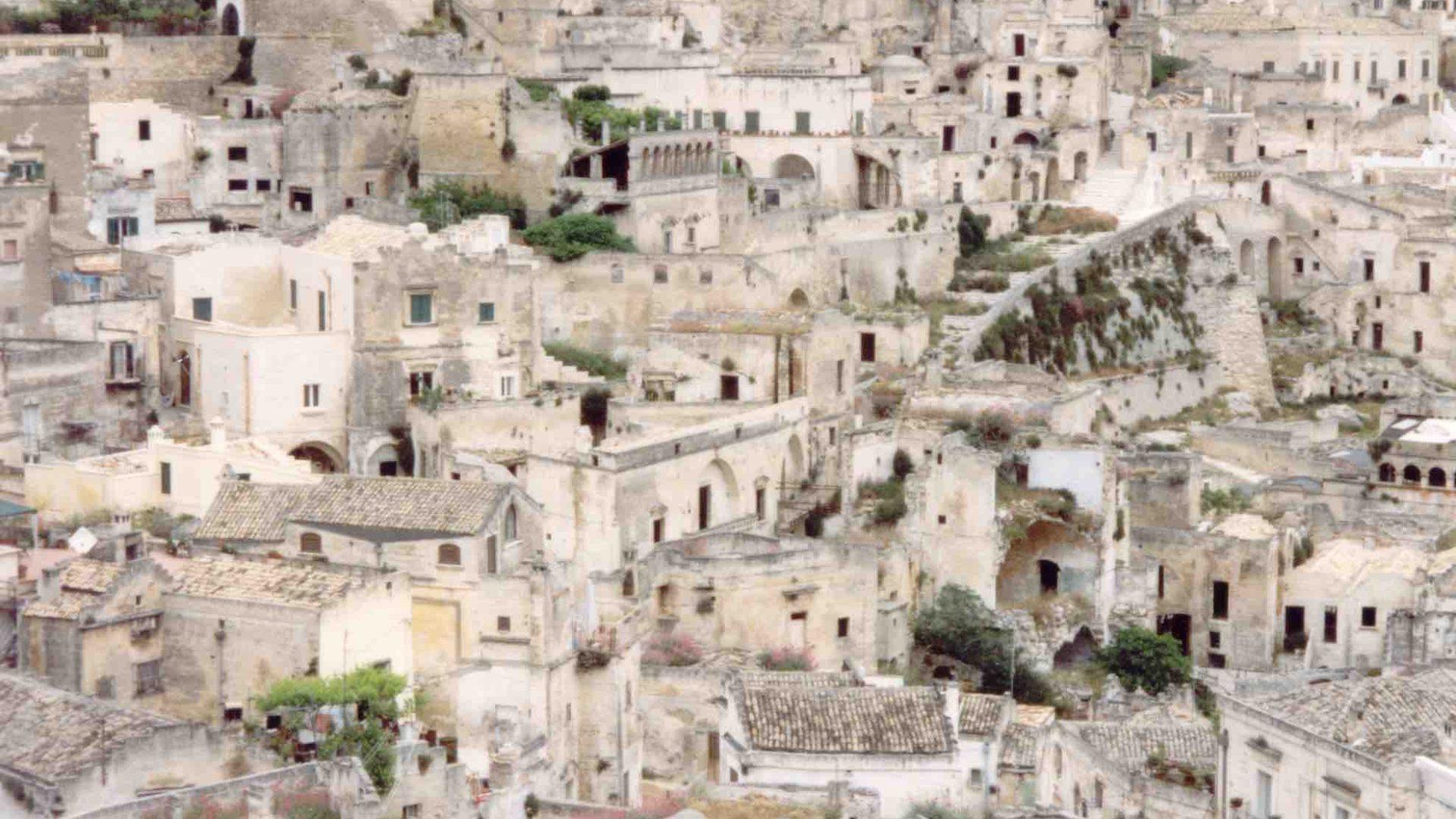
Is Matera also an ancient Italian city?
According to UNESCO: The Sassi and the Park of the Rupestrian Churches of Matera. This is the most outstanding, intact example of a troglodyte settlement in the Mediterranean region, perfectly adapted to its terrain and ecosystem. The first inhabited zone dates from the Palaeolithic, while later settlements illustrate a number of significant stages in human history. Matera is in the Italian southern region of Basilicata.