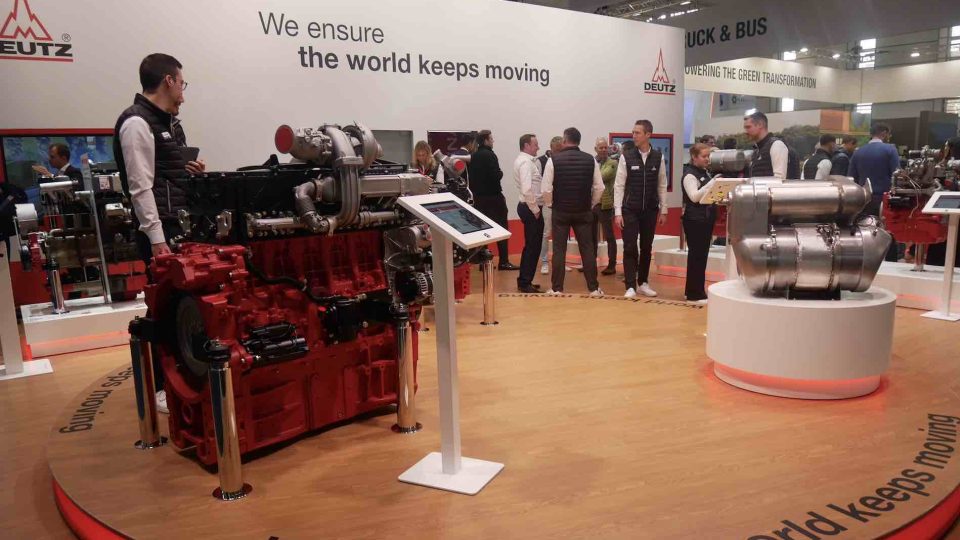
Transition engines. EU managed the 56-130 kW categories
On June 9th, the European Parliament adopted a text extending the transition provisions of certain machinery and tractors fitted with engines in the power range between 56kW and 130kW
One of the important concerns left over from the lockdown is Stage V engine transition and ‘pre-buy’ schedule, which has previously been corrected in the 56 kW and >130 kW categories. Now is the time for the EU to address the 56-129 kW power range. Here are the words of CEMA.
Transition engines between 56 and 130 kW
“On June 9th, the European Parliament adopted a text extending the transition provisions of certain machinery and tractors fitted with engines in the power range between 56kW and 130kW, in order to address the impact of COVID-19 crisis. The vote paves the way for the final adoption and publication in the Official Journal of the amended version of Regulation (EU) 2016/1628.
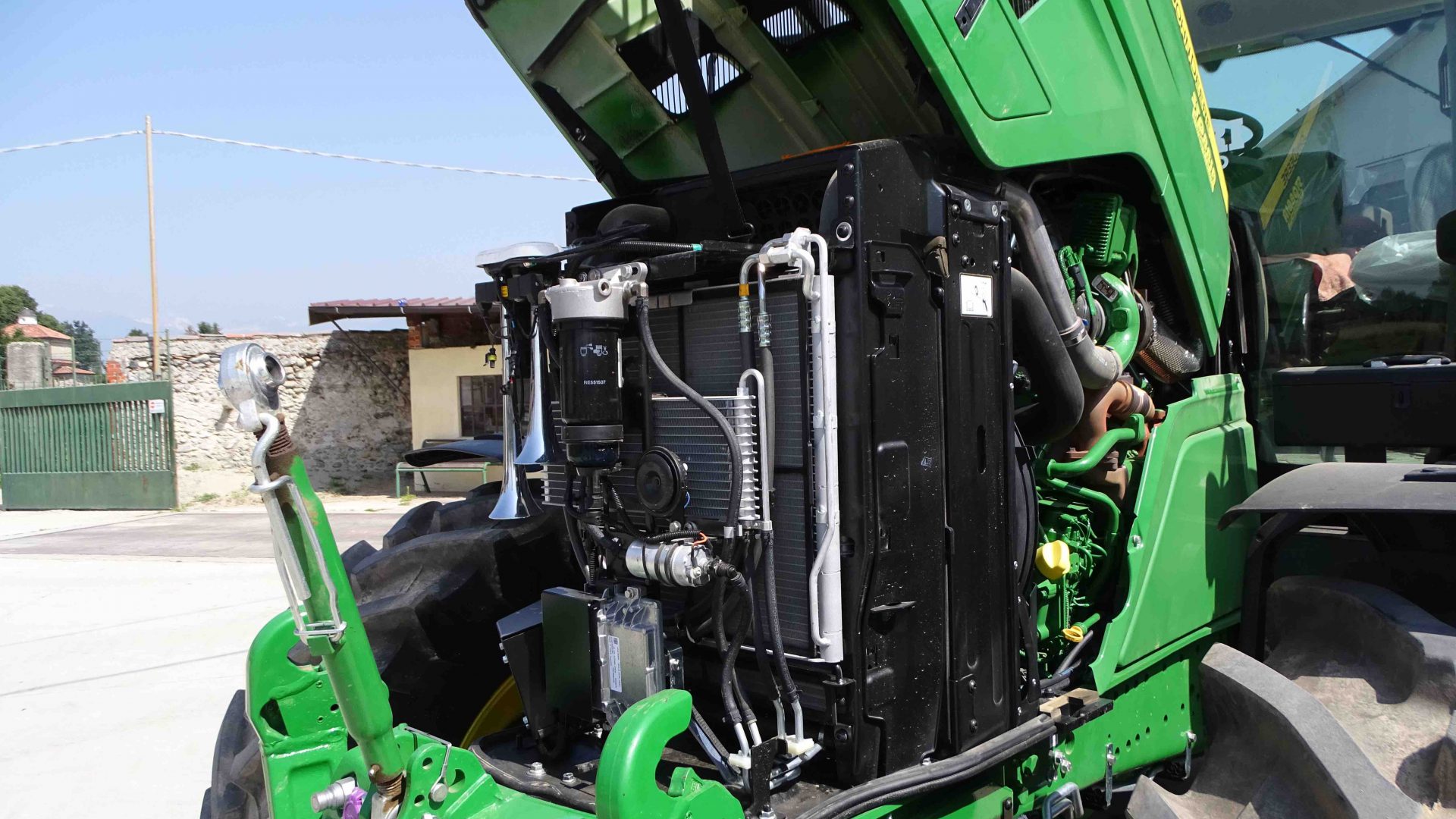
The European industry associations representing agricultural machinery manufacturers, dealers and contractors, namely CEMA, CLIMMAR and CEETTAR, warmly welcome the support received from the European Commission, European Parliament and Council of the European Union in tackling the pandemic through extraordinary measures. The industry had jointly urged[1]European Institutions to complement Regulation (EU) 2020/1040 – which rightly amended the most urgent aspects of Stage V Regulation last year – and also address machinery fitted with transition engines between 56kW and 130kW (built up to 31/12/2019).
Commenting on the vote, CEMA Secretary General Jérôme Bandry said: “Our industries continue to face supply chain and production disruptions caused by the COVID-19 second and third waves. But to ensure the resilience of our agri-food chain, farmers and contractors need the machines using transition engines between 56kW and 130kW, planned and produced before the pandemic. Slightly postponing the deadlines avoids that transition engines can no longer be fitted in the machinery in time and are then scrapped.”
Bartlema says
CLIMMAR Secretary General Jelle Bartlema underlines this statement: “although producers are first in line facing problems in production disruptions caused by the COVID-19 pandemic, in second line these problems hits dealerships who are responsible for bringing the right machinery to the customer. Dealerships are in direct contact with their customers and are responsible for the final registration of the machinery. This extension of the deadlines for using transition engines built in 2019 into machinery makes it able to fulfil the needs of the customers which ensures a continuation of a healthy European agri-food chain and thus production”.
Roche comment
“Contractors are among the largest customers and direct users of machinery equipped with transition engines. The extension ensures a smoother transition for the entire value chain until its end-users towards a greener and more sustainable agriculture”, said Jérôme Roche, Secretary General of CEETTAR.