Westport announces agreement to establish joint venture with Volvo Group
Westport Fuel Systems announced the signing of an investment agreement to establish the previously announced joint venture with Volvo Group to accelerate the commercialization and global adoption of Westport’s HPDI fuel system technology for long-haul and off-road applications.
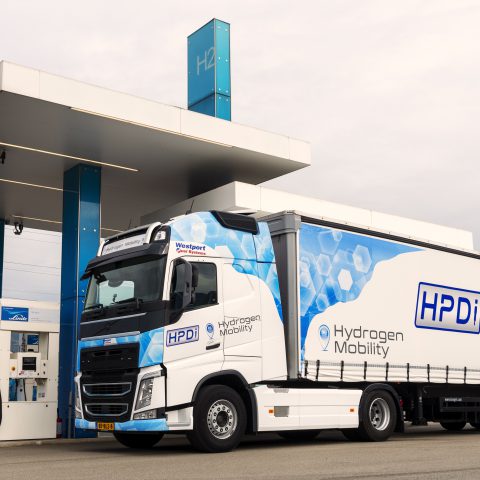
Westport Fuel Systems announced the signing of an investment agreement to establish the previously announced joint venture with Volvo Group to accelerate the commercialization and global adoption of Westport’s HPDI fuel system technology for long-haul and off-road applications. The closing of the JV is subject to certain closing conditions, including regulatory and government approvals. It is anticipated that the JV will become operational following the formal closing which is currently expected to occur in the second quarter of 2024.
“Decarbonization with internal combustion engines running on renewable fuels, especially with High Pressure Direct Injection (HPDI), plays an important part in sustainable solutions. HPDI has been on the road in Volvo trucks for over five years and is a proven technology that allows customers to significantly reduce CO2 emissions in LBG (Liquified Biogas) applications here and now and is a potential avenue for hydrogen,” says Lars Stenqvist, Chief Technology Officer Volvo Group.
“We are excited to execute this agreement and build on our success with the Volvo Group and our HPDI technology. We are motivated to keep innovating and investing in strong business relationships with leading organizations that share our goals, of which Volvo Group is certainly one,” said Dan Sceli, CEO of Westport Fuel Systems. “Powered by our shared vision for a cleaner tomorrow, we look forward to further collaboration and providing real solutions to decarbonize the long-haul and off-road transport sectors,” added Mr. Sceli.
As previously announced, Westport will contribute certain HPDI assets and opportunities, including related fixed assets, intellectual property, and business, into the JV. Volvo Group will acquire a 45% interest in the JV for the sum of approximately US$28 million, payable upon closing, plus up to an additional US$45 million as an earn out depending on the subsequent performance of the JV.