Volvo Penta and Stara Spreader
Volvo Penta D8 engine is powering the Stara Hércules 9.0, with an increase of up to 15% in working speed and up to 20% reduction in fuel consumption
The new model from Stara, on display at Agrishow 2026 in Brazil, provides a competitive edge with improved efficiency, strong performance and optimized total cost of ownership for agriculture operations.
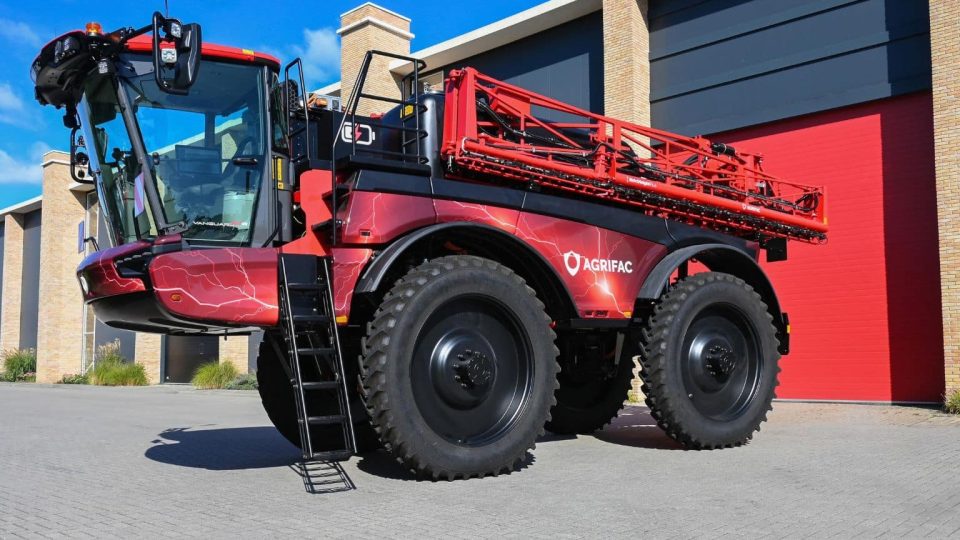
Volvo Penta has partnered with Stara to power its new Hércules 9.0 self-propelled spreader. The latest addition to the market-leading Hércules range expands its lineup with a higher-capacity machine and underscores Volvo Penta’s commitment to providing solutions for better productivity within the agriculture market, a key sector in Brazil. The new machine features a 9-ton fertilizer hopper that increases productivity and maximizes uptime for operators by reducing refill time.
“Stara customers who have been operating the Hércules 9.0 with the Volvo Penta engine are experiencing clear productivity gains,” says Cristiano Paim Buss, Director of Research and Development at Stara. “Machines equipped with the Volvo Penta D8 are achieving increases of 10–15% in working speed, while reducing fuel consumption by around 15-20% (depending on terrain conditions).”
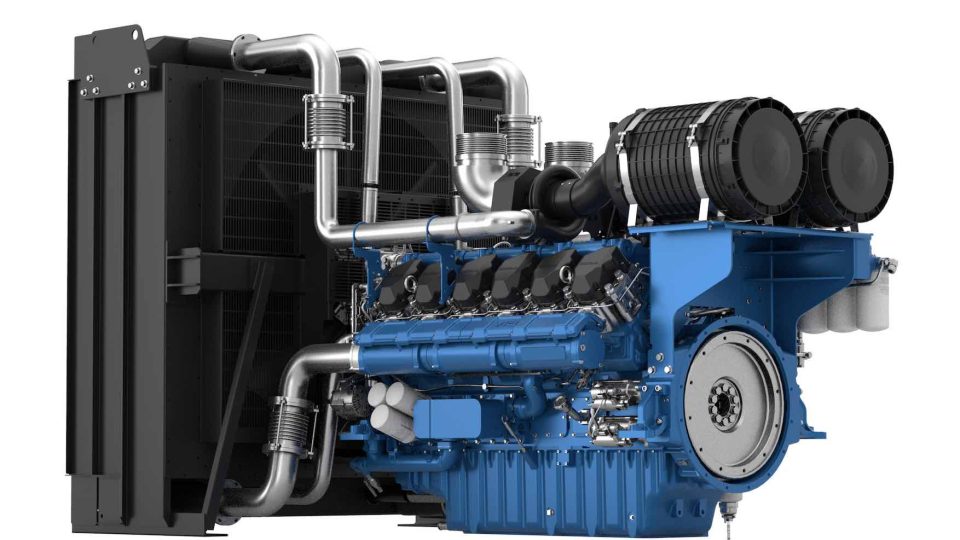
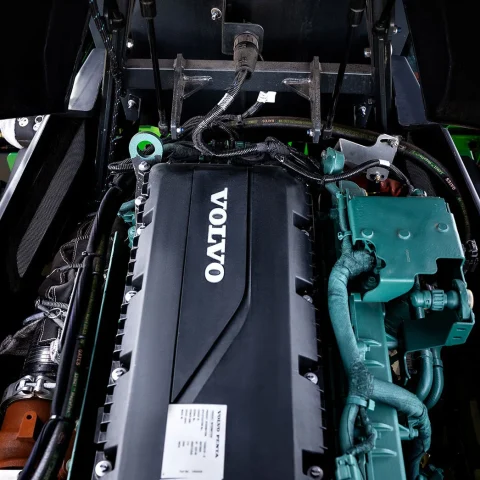
At the heart of the Hércules 9.0 is the Volvo Penta D8 engine, designed to deliver high power density and strong torque at low engine speeds, enabling efficient, consistent performance in demanding agricultural environments. By operating effectively at lower RPM, the D8 helps reduce fuel consumption and support smoother machine operation. This can translate into lower operating costs and improved total cost of ownership, which are key priorities for farmers and contractors.
“The strong, steady engine torque allows the machine to operate at a consistent speed, enabling an even spread,” says Gabriel Barsalini, Head of Volvo Penta Brazil.
In 2025, 11 pilot Hércules 9.0 self-propelled spreaders were delivered to key customers across Brazil and monitored in various working conditions to validate product performance and reliability in the field. Following this testing phase, serial production has begun, and the first units are due to arrive with customers this month.
“The main advantages we’ve seen using the Volvo Penta engine are reliability, robustness, and low fuel consumption,” says Buss. “The engine allows operation with high torque at low RPM, which reduces fuel consumption. The system is very well matched with the machine’s distribution system, delivering efficient performance in the field. Another benefit is reduced noise, as the engine operates at lower RPM. This ensures acoustic comfort and less vibration inside the cabin.”