Agritechnica 2023 to introduce renewables
For the first time, Agritechnica (Hanover, 12-18 November, 2023), will offer a dedicated area to the topic of “Renewable Energies”.
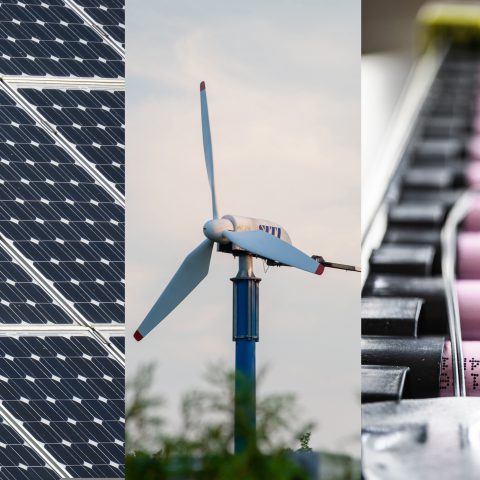
For the first time, Agritechnica (Hanover, 12-18 November, 2023), will offer a dedicated area to the topic of “Renewable Energies”. Photovoltaics, electrical storage and wind power are currently relevant topics for farmers – whether for self-usage or feeding into the grid. Both the technology as well as the legal and political framework conditions for renewables are developing rapidly, therefore this topic at Agritechnica, offers added value for both farmers and exhibitors.
“Generating energy from renewable sources on the farm has been a core agricultural competence since the beginning of the energy transition,” explains Marcus Vagt, DLG’s Division Manager for Energy, Inhouse Farming and New Foods. With rising energy prices, the current energy crisis is encouraging farmers to invest in renewable energies, with interest in land for photovoltaic and wind power plants growing.
Photovoltaic systems for self-sufficient generation – with and without electrical storage – are becoming economically attractive due to rising costs for fossil energies. Modern agriculture is in an ideal position to become a key part of a stable, decentralized and CO2-neutral energy supply. Being regional with short supply chains as well as proximity to the consumer, renewable energies in agriculture offer great promise.
“In the future, we will be offering knowledge and information about this topic on an annual basis through the two major DLG trade fairs EuroTier and Agritechnica,” says Marcus Vagt, explaining the decision to include the energy sector at Agritechnica.