Scania 64-tonne electric truck
A 64-tonne electric truck has been delivered by Scania to chemical supplier Wibax and will operate on the roads of northern Sweden
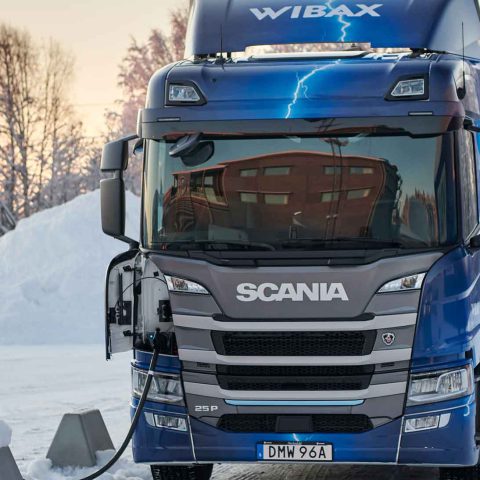
A 64-tonne electric truck has been delivered by Scania to chemical supplier Wibax and will operate on the roads of northern Sweden. The 3-axle electric tractor contributes to Wibax reaching its climate targets and is yet another example of Scania innovating in close partnership with a customer.
Electrified heavy transport is already happening. The electric truck has a total weight of 64 tonnes, including load and trailer, and will run on the roads between the cities of Piteå and Skellefteå in northern Sweden, a distance of 80 kilometres one way. The vehicle’s performance and load capacity are made possible by the development of a significantly stronger electric motor. As part of a long-term partnership, Scania and Wibax will work together to optimise the use of the vehicle over time – including charging, battery life length and route planning. This will also provide valuable insights to Wibax as they prepare to add additional electric vehicles to their fleet in the future.
“This is the first fully electric 64-tonner that we put on the road in customer operations. Step by step, we are demonstrating that electric solutions are happening very fast and for basically all segments,” says Fredrik Allard, Head of E-mobility, Scania.
The continued and rapid development puts further focus on the need for infrastructure and green electricity also outside the urban areas. Steps are being taken but more speed is needed. In this case, the power company Skellefteå Kraft has been involved and is delivering the charging infrastructure.