IVECO and TATA: Now They Mean Business
The top executives of Tata and Iveco leveraged the concepts of financial soundness, investment, and growth for both brands. FPT will also play a role in Tata's expansion into emerging markets. From left, Girish Wagh, Managing Director and CEO, Tata Motors; N Chandrasekaran, Chairman, Tata Sons, Tata Motors, and Iveco Group; Olof Persson, CEO, Iveco Group
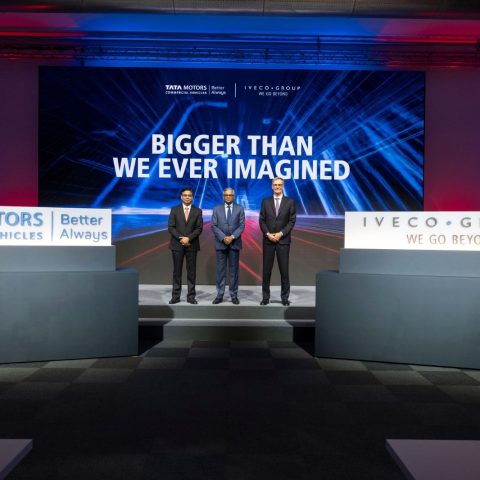
It is 10:45 AM on a sunny morning at the foot of the Alps, at the Turin Industrial Village. Defining it as a parterre de roi is certainly no flattery. The agreement for the acquisition of Iveco‘s automotive assets (trucks, light commercial vehicles, and buses) and industrial assets related to the powertrain division (namely FPT) was presented by the Chairman of Tata Sons and Tata Motors Ltd., N. Chandrasekaran, alongside Girish Wagh, Managing Director and CEO of Tata Motors, with Olof Persson, CEO of Iveco Group, doing the honors of the house.
Reassuring words—which some might see as a matter of course—yet they exude good intentions stemming from an explicit question about the willingness to preserve manufacturing plants and the workforce in Italy. As if to say, unity is strength. These are aggregate, cross-cultural strategies that transcend geographical boundaries and areas of operation, both in terms of territory and application. As Girish Wagh pointed out, the goal is to “take the best of both worlds.”
And here, a window opens onto the future.
Let us begin with Olof Persson, CEO of Iveco Group
We can summarize the points made by the head of Iveco Group, who will be supported by N. Chandrasekaran, joined the Board of Directors as Chairman.
- Complementary strengths: both companies bring unique expertise, creating a combined entity that is “bigger and brighter” than the sum of its individual parts.
- Geographical footprint: the territorial footprints are highly complementary, with Tata Motors holding a strong position in India and other key markets, and its partner being strong in Europe, thus enabling a broader scope for investment.
- Preservation of identity: the combination aims to leverage the strengths of both companies while preserving the distinctive identities of their respective brands.
- Truck business growth: a merger of complementary markets, distribution networks, and industrial bases to foster the growth of both brands within the new corporate structure.
- Next-generation platform: an opportunity to create a shared, next-generation platform for vehicle development.
- Shared engineering and design: collaboration on design principles, vehicle engineering techniques, and combined approaches to develop more competitive products, accelerate time-to-market, and ensure industry-specific customization.
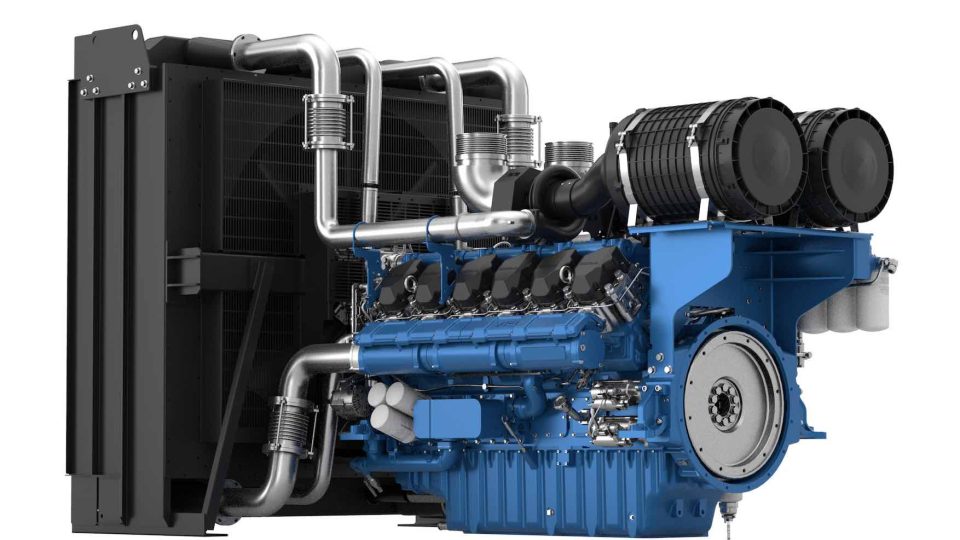
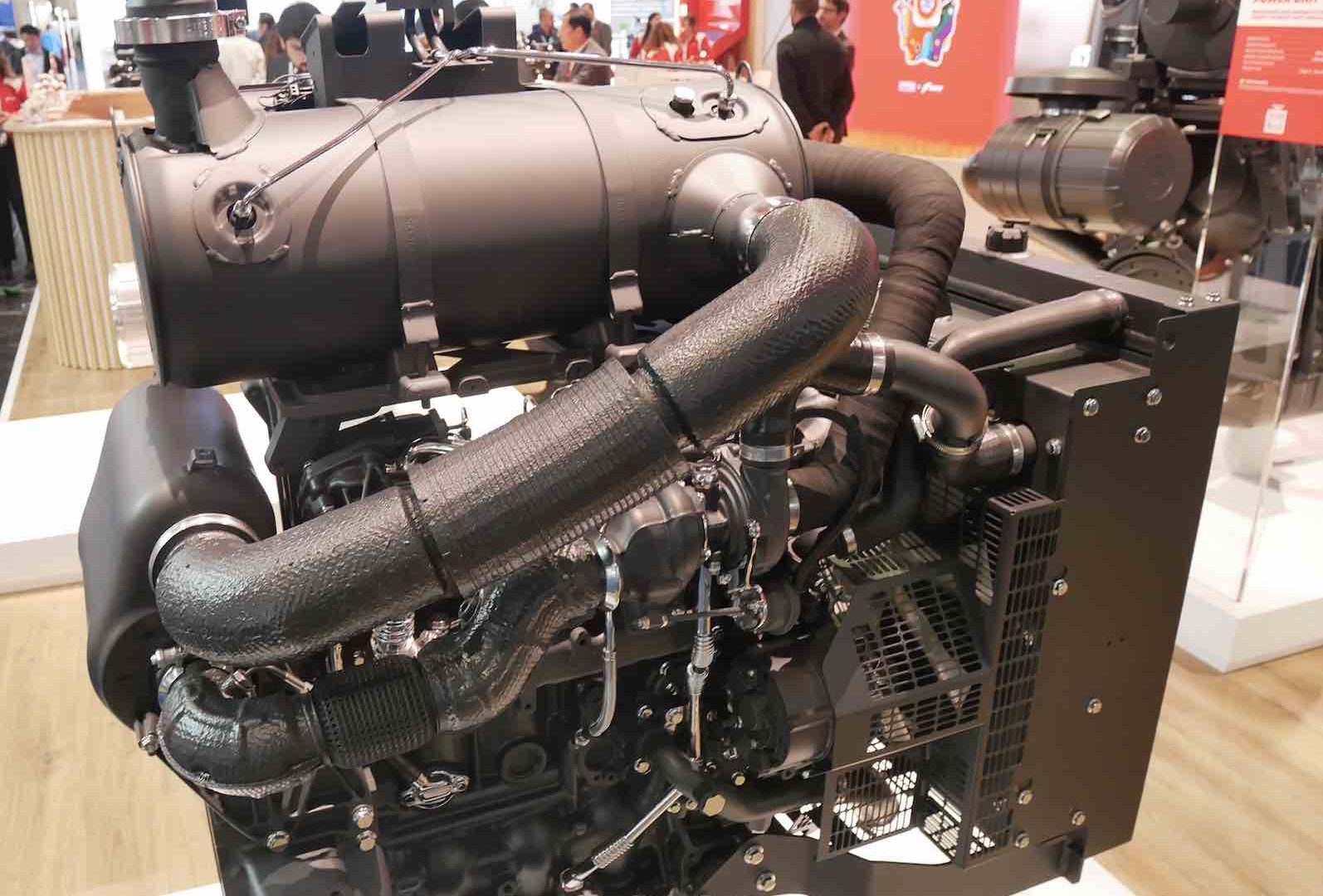
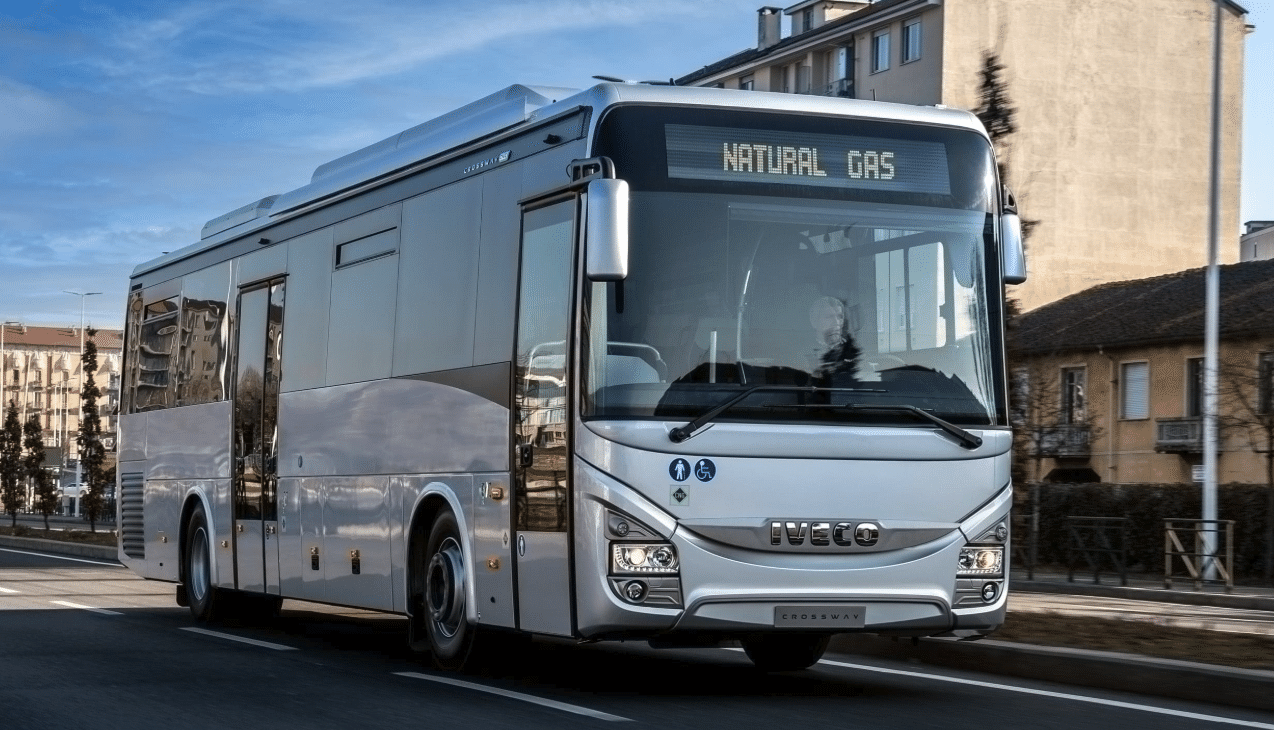
- Advanced powertrain development: the combined enterprise will possess extensive capabilities in the powertrain sector, ranging from conventional combustion technologies (including natural gas and biomethane) to hybrid and battery-powered solutions, with a view toward technological neutrality.
Enter N. Chandrasekaran
The Chairman of Tata Sons and Tata Motors maintained an institutional profile, expressing his gratitude to Prime Minister Giorgia Meloni and the Minister of Economic Development Adolfo Urso. This marks a significant step forward compared to the 2021 scare involving the “golden power” tool against FAW. At the time, the premiership was held by Mario Draghi, while the Ministry of Economic Development was led by Giancarlo Giorgetti.
This transaction is not viewed as a mere consolidation, but rather as an opportunity to build a growth-oriented future for both companies. Commercial vehicles serve as the backbone of the economy, playing a crucial role in transporting goods and passengers, enabling infrastructure development, and driving overall economic growth. The sector is poised for a significant transformation, which encompasses decarbonization, new powertrain systems, connected vehicles, software integration, advanced technologies (AI), and digital platforms.
Iveco has joined what has now become the fourth-largest commercial vehicle entity in the world, providing crucial scale for future investments and unlocking new opportunities for employees, business partners, and suppliers—starting with environmental sustainability.
Girish Wagh and FPT
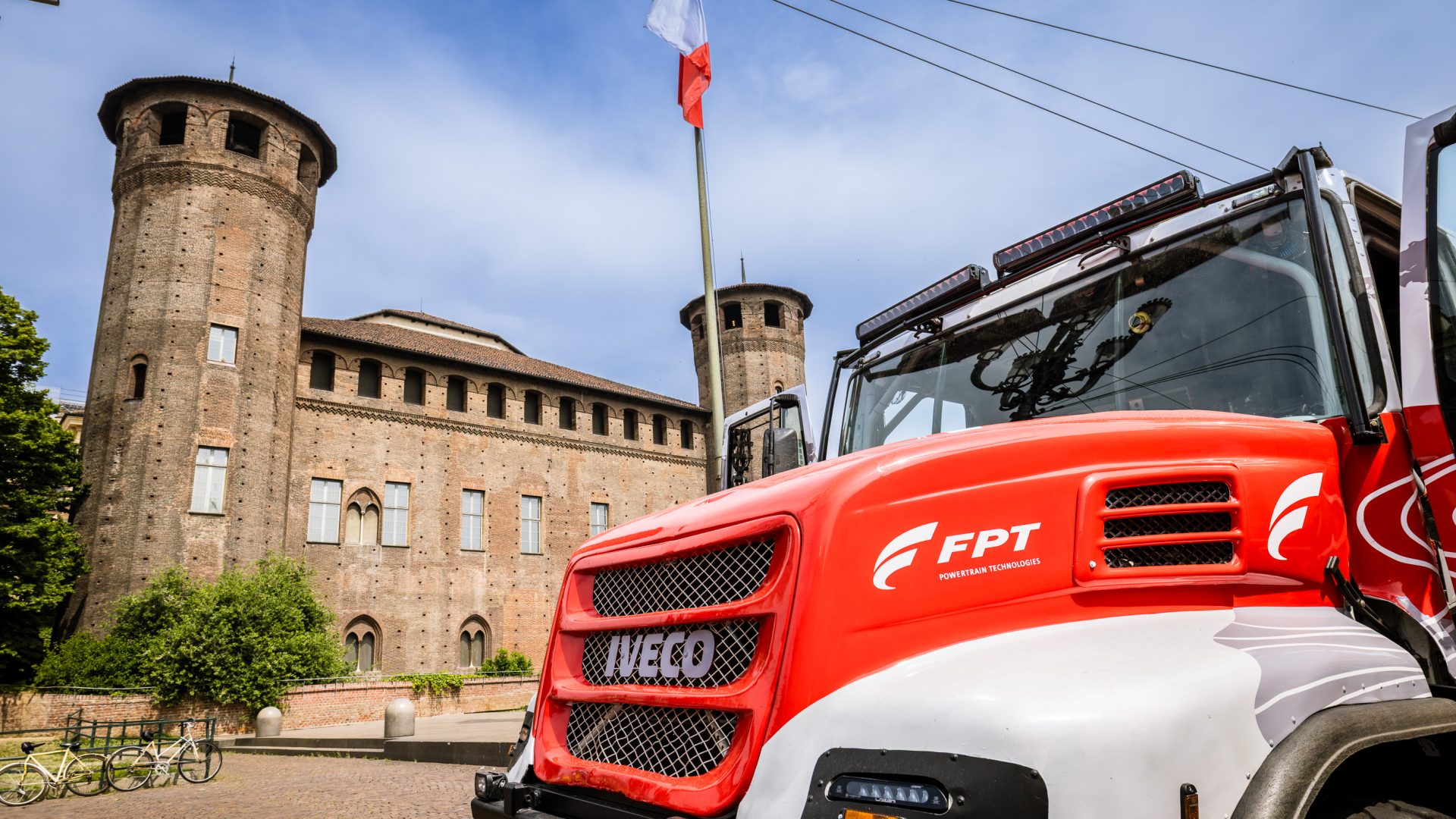
In response to our direct question, Wagh expressed great appreciation for FPT’s potential, even though Tata’s joint venture with Cummins for the supply of heavy-duty powertrains in India has been operating to full satisfaction for over three decades. After all, Tata’s volumes in India are three times the size of the heavy-duty sector, and FPT’s capabilities are viewed as highly complementary. Beyond the domestic market, Tata Motors sees substantial opportunities for the Turin-built engines in other markets where Tata Motors boasts a strong network, including Africa and Asia. In fact, the subsidiary Tata Daewoo has been powered by FPT engines for years.
📊 Key Figures on the India-Italy Bridge
- Global Reach: The combined entity operates in over 130 countries, backed by more than 9,300 sales and service touchpoints.
- Workforce: The partnership unites 73,000 employees across six continents.
- Industrial Footprint: The infrastructure includes 27 manufacturing plants and 25 research and development (R&D) centers.
- Sales and Revenues: Combined sales volumes reach approximately 590,000 units, generating combined revenues of around €21 billion (approximately ₹228,000 crore).
What is the outcome of Tata Motors’ tender offer (Opa) for Iveco Group, and what are its immediate implications?
Tata Motors acquired 89.42% of Iveco Group at €14.4 per share. The transaction seals Iveco’s integration into the Indian group, prompts the reconstitution of the Board of Directors with N. Chandrasekaran as Chairman and Olof Persson as CEO, and triggers a reopening of the tender period for remaining shareholders until November 6, 2026.
Does Tata Daewoo use FPT engines?
Yes. The two manufacturers celebrated the 20th anniversary of their partnership in 2024. In April of this year, they renewed their collaboration for an additional five years, covering the supply of Nef and Cursor engines.