MAN Unleashes the eTruck
Maximizing existing production infrastructure to facilitate the ramp-up of electric trucks: that's the Lion's goal. We attended the official launch of the MAN eTruck
To ensure accuracy regarding the launch of MAN’s eTruck, we heavily drew upon the insights gained from our colleagues at Sustainable Truck & Van magazine. Starting a production line—that’s the real challenge faced by various startups entering the competitive arena of zero-emission mobility.
While there was no doubt that MAN would reach this stage with the eTruck, participating in the inaugural event for the electric heavy-duty vehicle assembly line on June 16th in Munich perfectly put the final piece into place for the Lion’s electric mobility strategy.
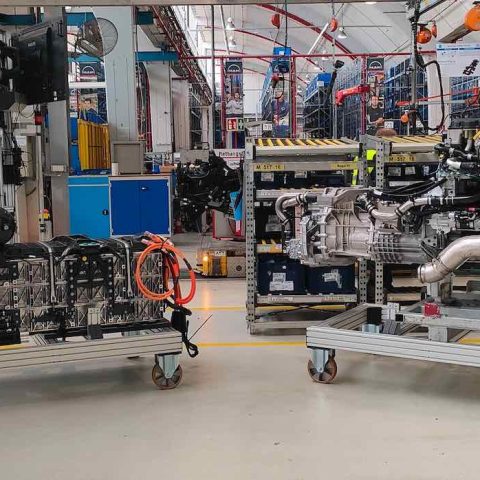
The MAN eTruck is produced side-by-side with ICE trucks
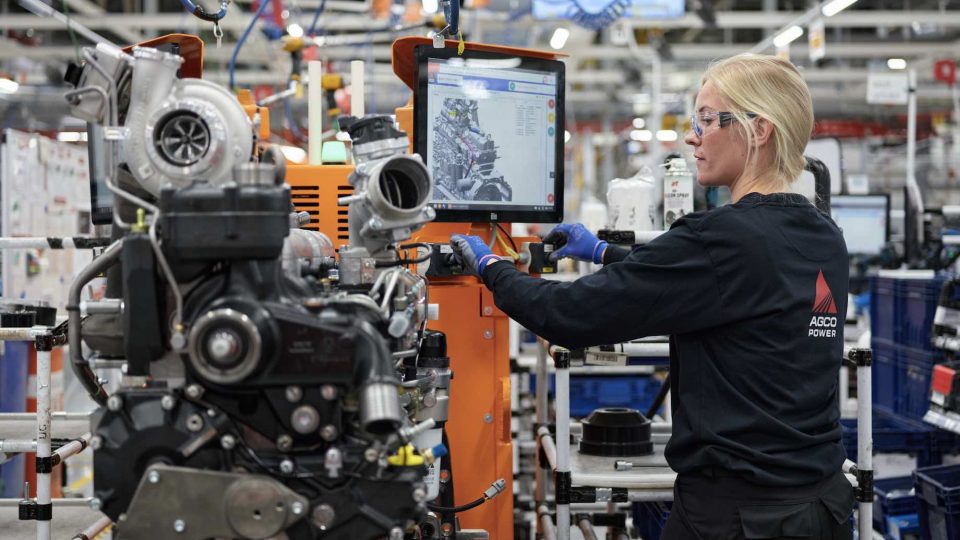
Above all, it gave us the chance to see with our own eyes that, yes, it’s possible to produce both internal combustion and electric trucks on the same line. And in all likelihood, this is the most practical option in an era like the present, characterized by significant uncertainty about the sales volumes of electric heavy-duty vehicles. These volumes are much lower than forecasts made just a few years ago when the Green Deal seemed like an unstoppable force.
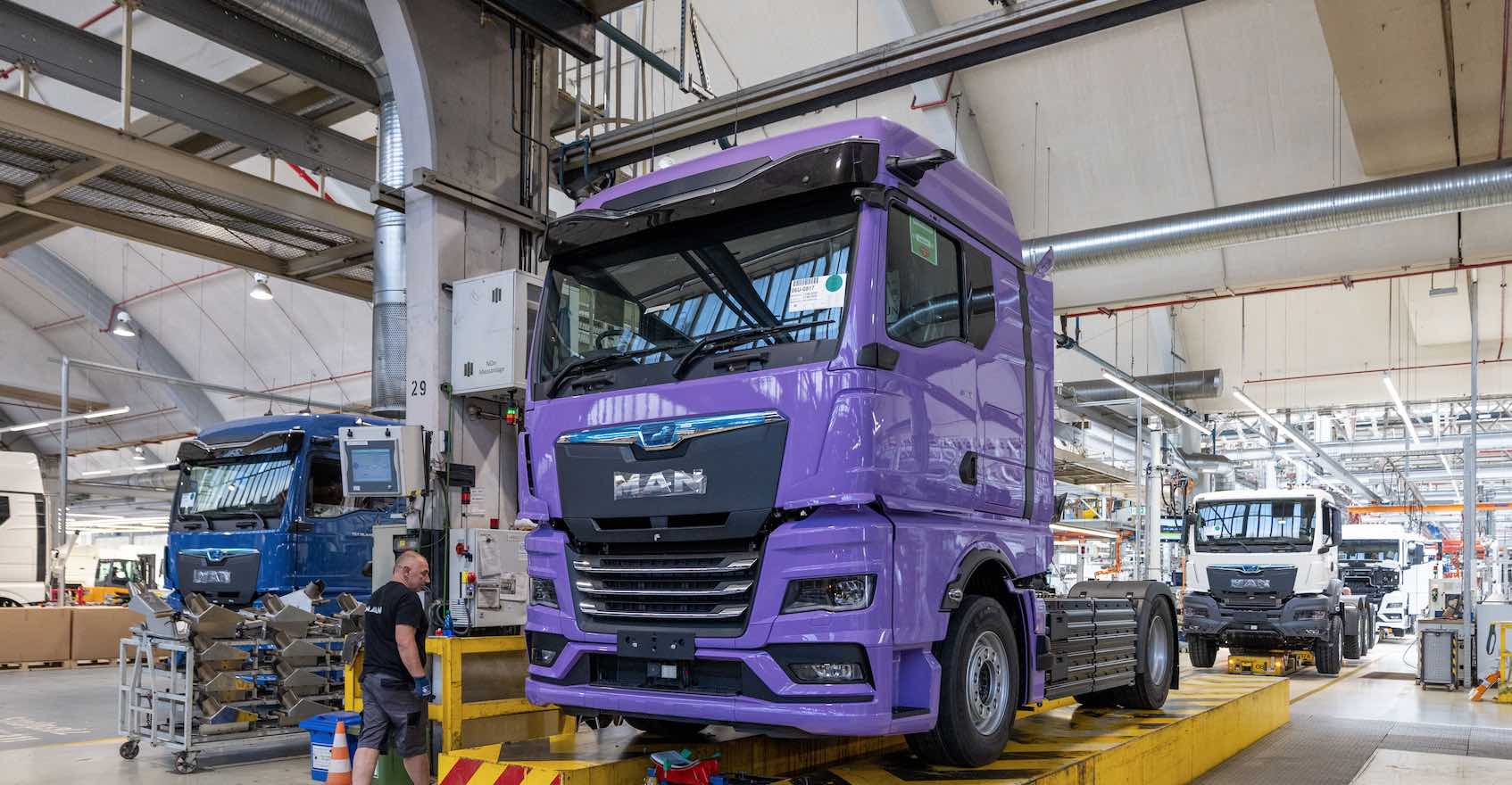
With its ‘mixed’ production line, MAN would be ready should demand significantly increase across Europe (factors like incentives, toll exemptions, or charging infrastructure development could heavily influence this). This approach helps avoid bottlenecks that might otherwise jeopardize the dynamics of an still-nascent market.
From 30 to 100
In short, maximizing existing production infrastructure is MAN’s mantra. Currently, the Munich plant ensures a production capacity of about 30 electric trucks per day, a figure set to increase to around one hundred in the coming months. After that, we’ll see: the market will clearly dictate the pace, and as we’ve learned in recent years, making predictions can be quite risky.
To delve deeper, we refer you to this article from Sustainable Truck & Van.