Stadler Unveils First Fuel Cell Train for Sardinia in Switzerland
Fuel cells regain ground in rail transport thanks to Stadler, which will supply the first hydrogen train for Sardinia's narrow-gauge rail network
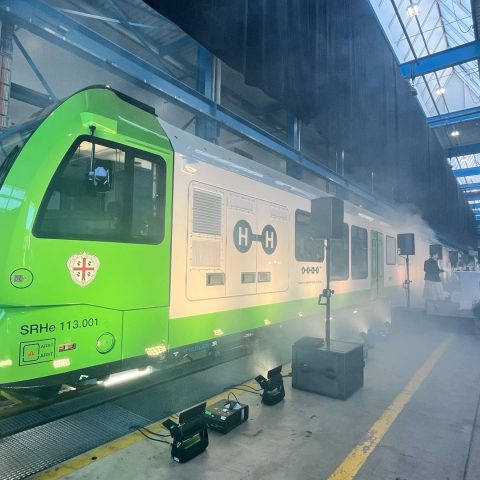
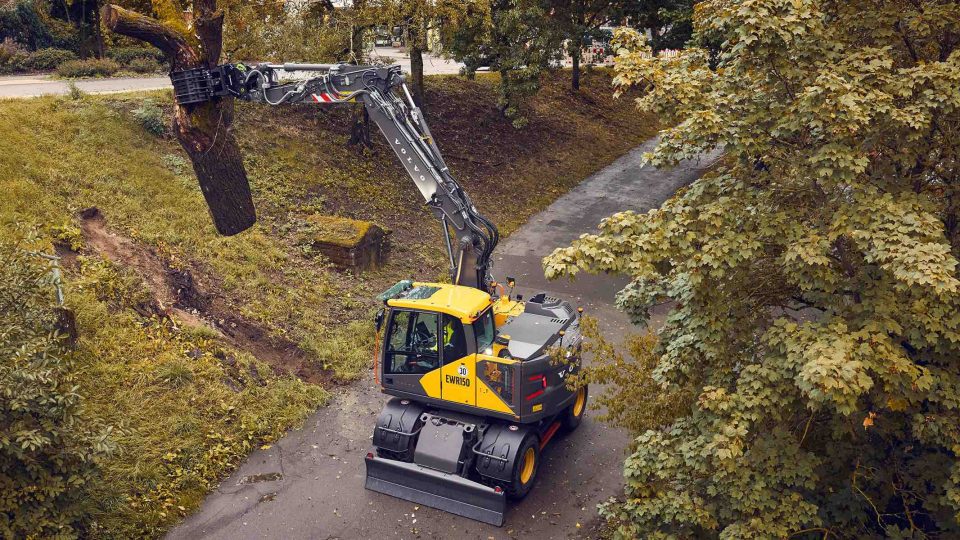
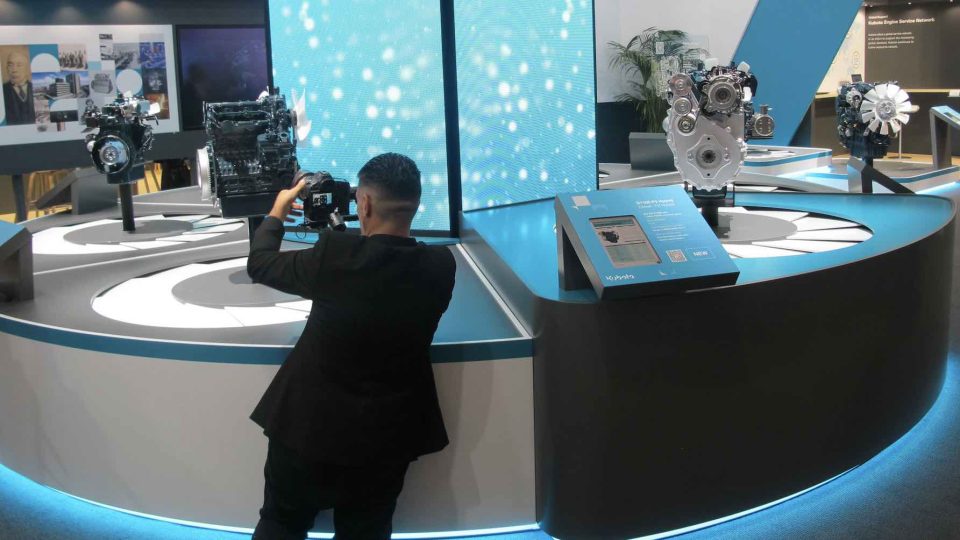
The first hydrogen train for the narrow-gauge rail network of Sardinian public transport operator ARST was unveiled at Stadler’s plant in Erlen, Switzerland. Hydrogen is much discussed at present, particularly in relation to the potential conversion of internal combustion engines. Fuel cells appear to be struggling to gain traction in industrial applications, as shown by JCB’s decision to shelve, for now, fuel cell adoption on one of its excavators in favour of investment in hydrogen ICE technology. Find here a fuel cell tractor prototype by Kubota.
Stadler Fuel Cell Trains for South Italy and Islands
The vehicle is the first of a supply agreement covering six hydrogen trainsets, with an option for a further four units, as part of the contract signed between ARST and Stadler in July 2023. Trains from the same platform will also be built by Stadler for regional rail services in Calabria and Sicily.
Following the presentation, the train will undergo a testing phase at Stadler’s experimental circuit in Hemishofen, Switzerland. It will then be transferred to Sardinia, where testing will continue towards obtaining the Authorisation for Entry into Service issued by ANSFISA. The new hydrogen trains are designed to operate on ARST’s 950 mm narrow-gauge network. Powered by fuel cells and hydrogen produced from renewable sources, they are approximately 50 metres long, have a maximum speed of 100 km/h and deliver 800 kW of power at the wheels. Total capacity is around 170 passengers.
Attending the Event
The event was attended by institutional representatives including Barbara Manca, Transport Councillor for the Sardinia Region, ARST leadership including Central Director Carlo Poledrini, Stadler management including Vice President Ansgar Brockmeyer, and numerous guests from the Italian and international transport and rail industries. Each Hydrogen Multiple Unit (HMU) comprises two passenger carriages and a central module known as the “Power Pack”, which houses the energy storage and conversion systems, including the fuel cells and hydrogen tanks. The trainsets are also equipped with the SCMT train control system.
Vehicles features
- low-floor access points
- extendable ramps
- dedicated spaces for passengers with reduced mobility, bicycles and pushchairs
- an accessible toilet
Onboard equipment includes air conditioning, power and USB sockets, Wi-Fi connectivity, LED lighting and passenger information systems.
The trainsets will operate on ARST’s main narrow-gauge lines and will be supplied with hydrogen from green production facilities currently under construction at the Mandas, Macomer and Alghero hubs.
What is ARST?
ARST S.p.A., known until 2008 as Azienda Regionale Sarda Trasporti, is the main public transport operator in Sardinia, wholly controlled by the regional administration.
The company, headquartered in Cagliari, operates almost all of the island’s extra-urban bus routes, urban bus services in a number of municipalities, as well as Sardinia’s narrow-gauge rail network and the tram systems in Cagliari and Sassari (Wikipedia).
And What is ANSFISA?
ANSFISA, the National Safety Agency for Railways and Road and Motorway Infrastructure in Italy, promotes safety and oversight of railway, road and motorway infrastructure and fixed installations, with the aim of becoming the national reference point for improving the quality of maintenance and infrastructure development across the country.
How many hydrogen trains are planned for ARST?
The contract signed between ARST and Stadler in 2023 covers six hydrogen trains, with an option for a further four units.
What are the train’s main technical specifications?
The train is approximately 50 metres long, has a top speed of 100 km/h, delivers 800 kW of power and can carry around 170 passengers.
Where will the first train be tested?
Following initial testing at Stadler’s Hemishofen circuit, the train will be transferred to Sardinia for further testing and certification.
How will the trains be powered?
The trains will run on green hydrogen produced in Sardinia at facilities currently under construction in Mandas, Macomer and Alghero.