Bobcat Forklifts. Diesel and/or Electric
Bobcat navigates the forklift market with both electric and internal combustion models. Which solution to choose? Reflections from the "Lynx" on the pros and cons of both technologies
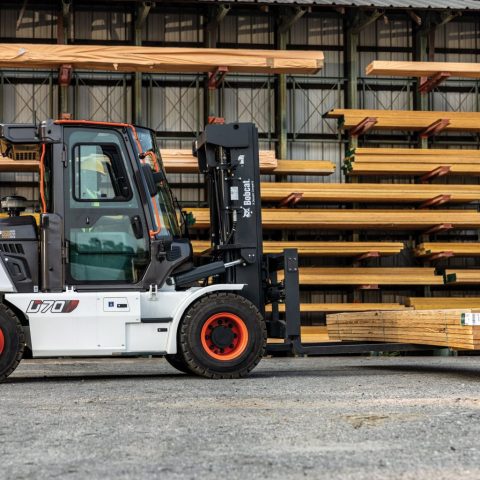
ICEs also resist on the lifting front, and one of the leaders in this market, Bobcat, which offers both diesel and electric forklifts, tells us so. The trend in intralogistics is clearly oriented towards electrification. In fact, in 2024, electric industrial forklifts represented 70% of the market share. However, diesel engines continue to be the preferred solution for various uses. But what, then, can be the ideal choice of drive system type? Obviously, it depends to a large extent on the operating conditions.
The elements that influence this are indeed the daily hours of use, the conditions of the infrastructure, the regulations regarding emissions, and the economic aspect influences the decision. To make the right choice, according to Bobcat, it is therefore necessary to evaluate the strengths and weaknesses of each drive system.
The technology offered by Bobcat
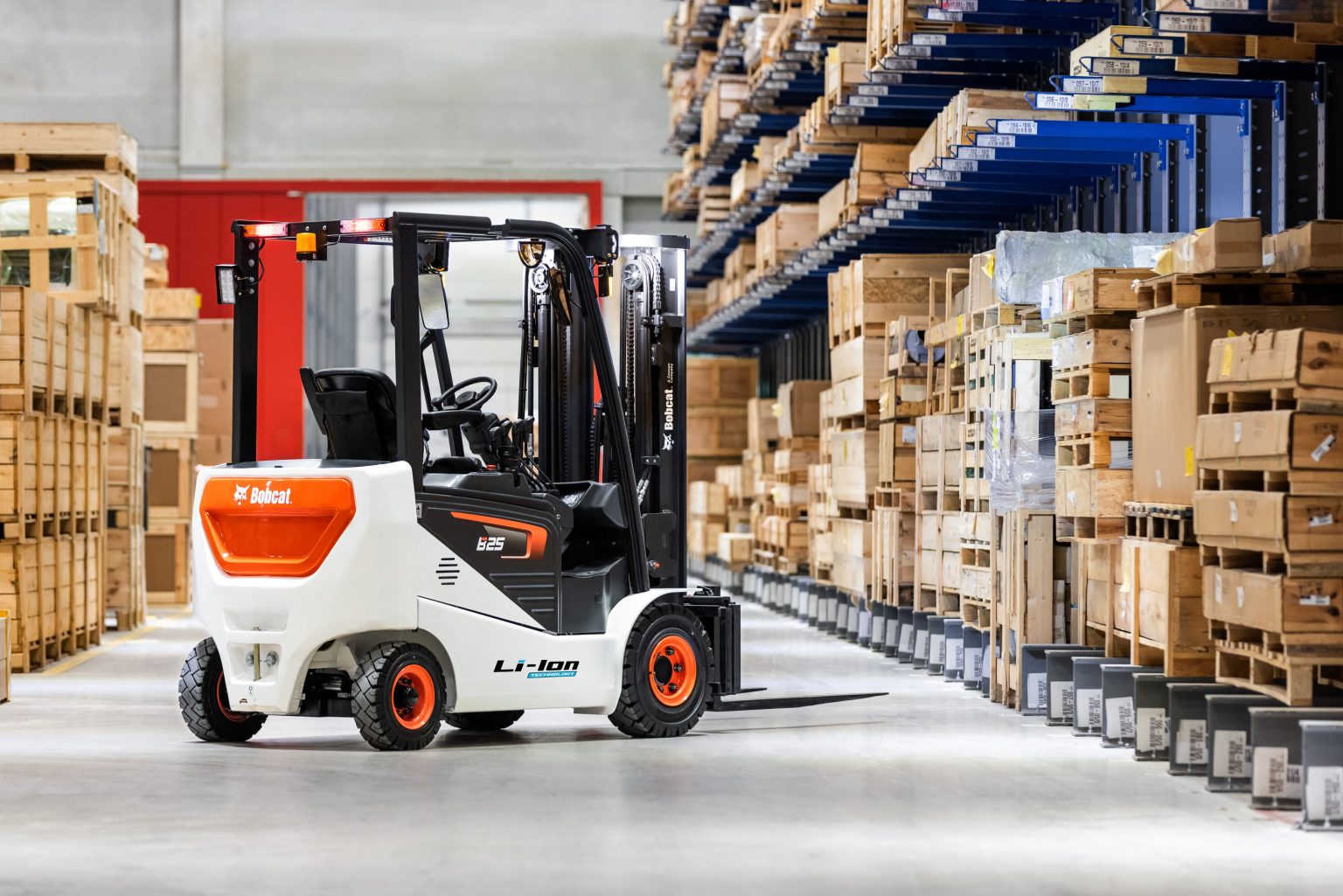
The further development of lithium-ion technology obviously plays a central role. In fact, like other companies, Bobcat is also looking for modern alternatives to the classic lead-acid battery. They are up to two-thirds smaller, are maintenance-free, are compatible with fast charging, and last three times longer. Their more compact design also opens up new possibilities in the design of future vehicles.
Therefore, electric forklifts can be designed to be smaller and more easily maneuverable. Bringing with them a clear advantage in narrow aisles and cramped warehouse spaces. At the same time, ergonomics are improved. In fact, the operator’s cabin is designed to be more comfortable and functional.
Furthermore, the maintenance and charging procedure are more efficient. With Bobcat forklifts using this technology, it is possible to recharge the batteries during the lunch break. Or recharge them completely in about two hours during longer breaks.
But what do diesel forklifts still have to offer?
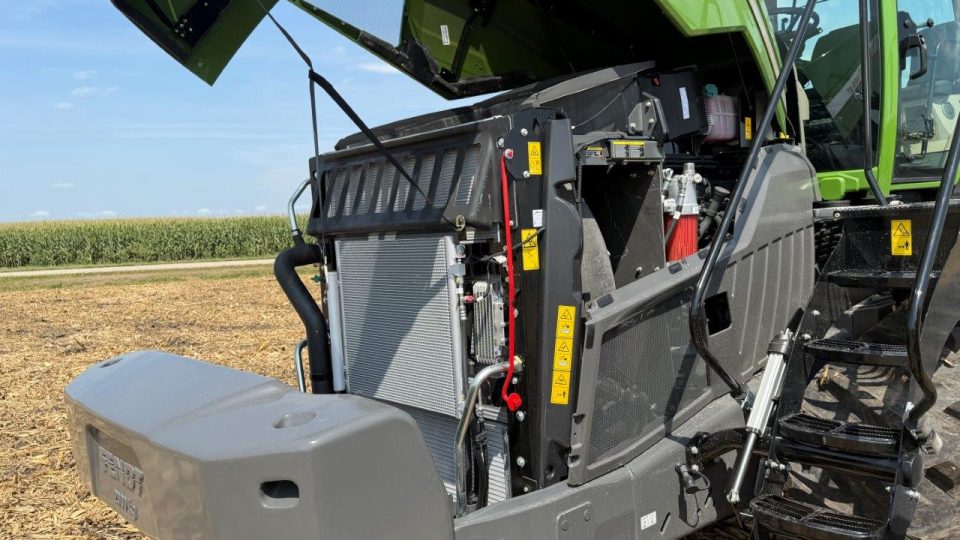
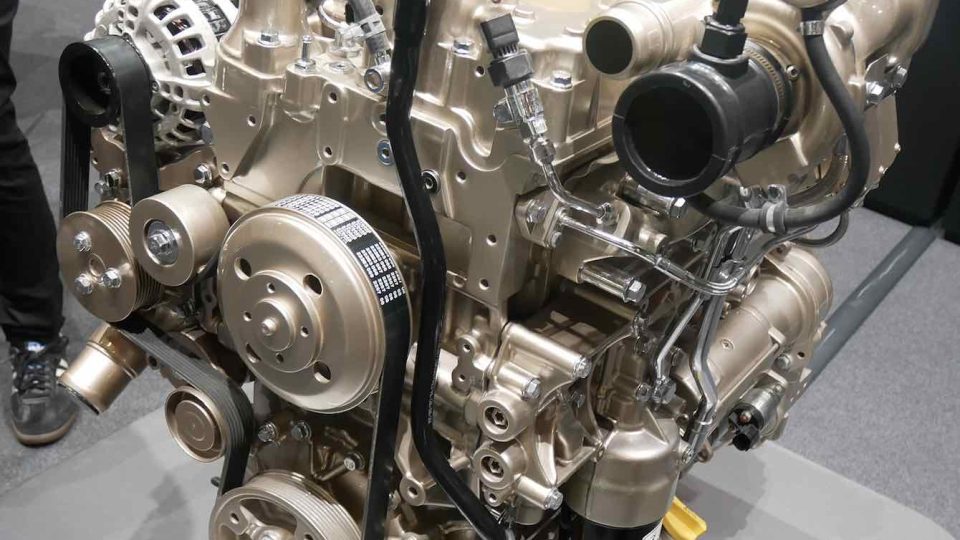
Although more and more electric industrial forklifts are coming into use, there is still a market for LPG and diesel forklifts. Since 1 January 2020, the Stage V emissions regulation has been in force in the European Union. This regulation governs NRMM, including earth-moving machinery, generators and diesel-powered forklift trucks. Today, the limit value under Stage V is 0.015 gr/kW. Thanks to modern particulate filters, fine dust emissions have been reduced by around 97%. Bobcat’s diesel models therefore remain a popular choice. Particularly in demanding applications such as ports or heavy industry. They offer performance that is particularly valued in heavy-duty and outdoor use. Diesel forklifts are characterised by a robust build. Weather conditions such as rain, heat or frost have relatively little impact on their operation. At the same time, the quick refuelling process increases operational availability.
In fact, a diesel forklift can be prepared for an entire shift in just a few minutes. There are also economic advantages. The purchase cost is often lower. However, electric models have lower maintenance requirements and operating costs.
The challenges of electric drive systems
Despite technological developments in the field of electric industrial forklifts, various aspects must be taken into account when considering electrification. The weaknesses of electric forklifts lie in operating conditions where classic diesel forklifts excel. Consequently, they reveal their limitations when used outdoors, particularly in wet conditions, extreme cold or high humidity.
To overcome this, however, Bobcat offers additional engine protection systems for working in wet conditions. In addition to this, we have high IP protection ratings for reliable waterproofing. In hot conditions, the integrated cooling fans ensure greater operational reliability of critical components.
Stage V regulations. But what needs to be done to achieve true carbon neutrality?
Compliance with the new limits requires more complex exhaust technologies. This also affects the price of diesel forklifts. In fact, Stage V machines are generally more expensive than models based on older emission standards. Furthermore, higher-powered models use AdBlue to convert harmful nitrogen oxides into water vapour and nitrogen via SCR.
One advantage, however, is significantly lower fuel consumption. Nevertheless, despite the considerable reduction in exhaust emissions, it is not possible to achieve a zero-emission production line with diesel forklifts. To achieve this goal, it is necessary to use electric forklifts or alternative fuels. These include e-fuels. These are synthetic fuels produced using renewable energy, hydrogen (H₂) and carbon dioxide (CO₂). The diesel engines used by Bobcat are in fact suitable for use with HVO (hydrotreated vegetable oil), a diesel biofuel obtained from the hydrogenation of vegetable fats and oils.
Application and costs. Choosing the right drive system for forklift trucks
It is therefore necessary to carefully analyse actual use cases before deciding between a diesel or electric forklift truck. A key indicator is the intensity of use. If you use the forklift truck occasionally, a diesel model may be more cost-effective. In some cases, the purchase cost is up to 20% lower than that of an electric model with equivalent performance.
Furthermore, operating and maintenance costs are less significant in the case of occasional use. If, on the other hand, you have intensive use, an electric forklift is advantageous in the long term. In fact, there are lower maintenance requirements, lower energy costs and the elimination of fossil fuels, resulting in lower overall operating costs.